
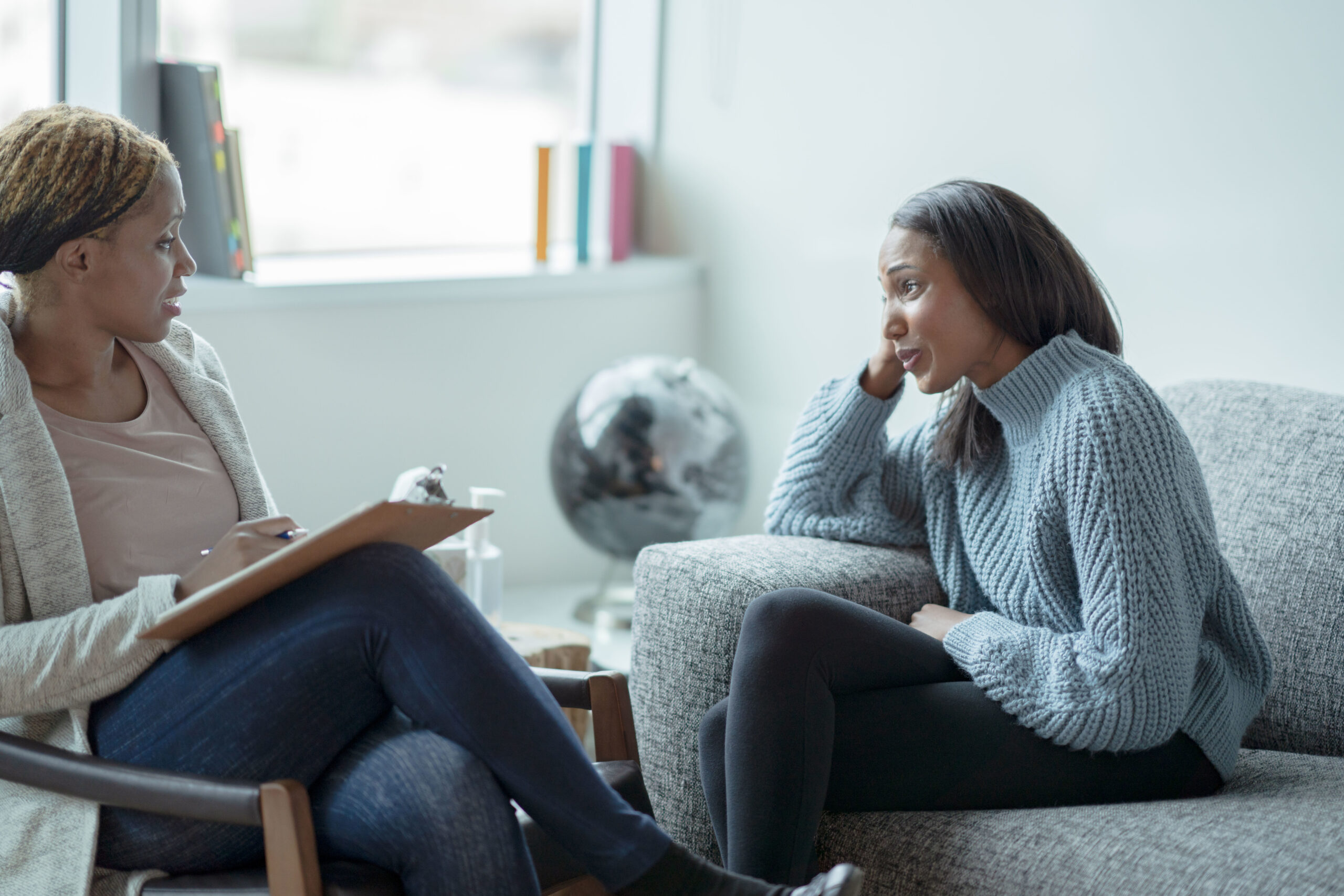
Over the past fifteen weeks, I have actively been involved in moderating marriage counselling programs and have learned quite a lot from professional counsellors on how to assess clients that come for counselling which includes how to clinical history taking by asking the right questions to help clients identify the cause of their problems and proffer the right treatment.
Marriage counseling can be a powerful tool for couples who are struggling with communication, trust, intimacy, or other issues in their relationship. By working with a trained and experienced therapist, couples can learn to identify and address the underlying causes of their problems, and develop strategies for overcoming them.
One of the key benefits of marriage counseling is that it provides a safe and neutral space for couples to have difficult conversations and work through their challenges. A skilled therapist can help couples to communicate more effectively, develop deeper empathy and understanding for each other, and learn to manage conflict in a constructive way.
Marriage counseling can also be an effective way to prevent issues from escalating to the point of irreparable damage. By addressing issues early on, couples can prevent small problems from turning into major obstacles, and develop healthy habits and patterns that will strengthen their relationship over time.
In addition, marriage counseling can help couples to reconnect and rediscover the love and affection that brought them together in the first place. By working through past hurts and resentments, couples can learn to rebuild trust and intimacy, and create a more fulfilling and satisfying relationship.
Overall, marriage counseling is an investment in your relationship and your future together. By taking the time and effort to work through your challenges, you can create a stronger, healthier, and more loving partnership that will endure for years to come.
#MMBA 4

 Emotional Intelligence II