
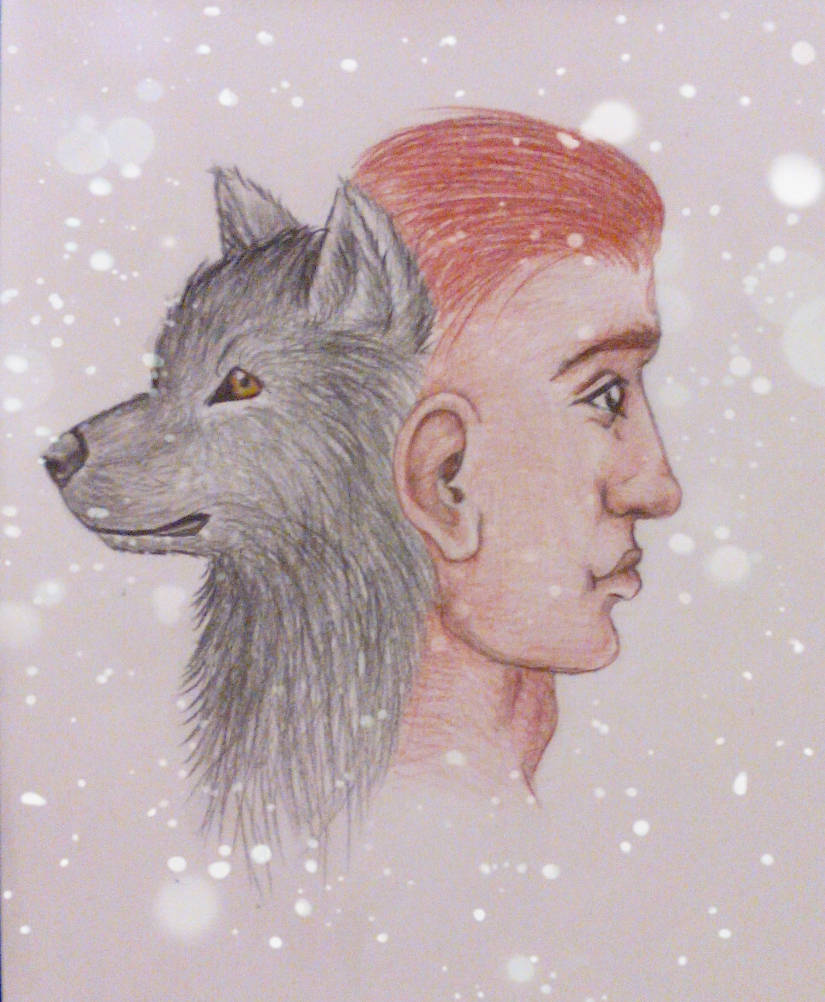
In a faraway zoo in the Bronx lies a depiction of the most dangerous animal to have ever walked the earth. We cannot be certain about other planets. Ironically, it is not really a picture; such an animal does not exist in nature. Instead, it is a mirror reflecting the image of the animal on the opposite side as one stands to view. Reality strikes as one recognizes the familiar face of the animal being referred to.
Humans may argue against such an assumption, but if one tries to generalize the actions of a few, the truth is not so far-fetched. Modern humans, like their predecessors, have been able to erode the fabric of the environment.
The city of Chernobyl, now a ghost town, serves as a constant reminder of humanity’s impact on Mother Nature. Well, that was probably an error, and lessons were learned. Did we really learn? In 2022, according to the International Campaign to Abolish Nuclear Weapons (ICANW), it was estimated that about $82.9 billion was spent among nine countries in an attempt to develop nuclear weapons. To what end, one may ask? What happens if there is an error in the handling of machinery or miscalculation? The answer lies in oblivion.
In Australia, about 85% of recorded incidences of bushfires are directly attributed to human activities. The resulting effect leads to the displacement of other, less dangerous animals from their natural habitats, while humanity often blames it solely on nature.
Man is a dual being. The Earth is blessed to have him. Many of the advances witnessed here lie solely in the actions or inactions of humans. Left for other species, the Earth would have remained isolated like other known planets.
Advances in technology and sciences have helped improve the general quality of life, ranging from communication to medicine and transportation. SpaceX, a space exploration company, has significantly revolutionized space travel with its production of reusable spacecraft. Human journeys past Earth will not only be feasible but will soon be routine. Advances in medicine have improved our life expectancy significantly when compared to just a century ago. Genomic studies have led to individualized healthcare delivery, a significant stride employed in cancer treatment.
In terms of positive contributions to the environment, actions such as reforestation, wildlife conservation, and other sustainable practices help maintain biodiversity. Species that could have possibly gone extinct are still seen in modern society.
Man seems to be at extremes of good and evil to nature and himself. This underscores the need for balance. His self-destructive activities, such as engaging in endless wars, terrorism, and other vices, need to be addressed. His philanthropic and humanitarian aid during disasters, both natural and man-made, and supporting vulnerable populations need to be encouraged. His indiscriminate disposal of toxic and other waste needs to be addressed, as most ends up in the ocean, destroying aquatic life.
At the end of his sojourn, man needs to look back and be proud that he left a better environment than he found. Collectively, we will get it right. Achieving a balanced and sustainable relationship with the environment will require global cooperation, policies, and individual actions.

 I visited a bookshop