
Introduction
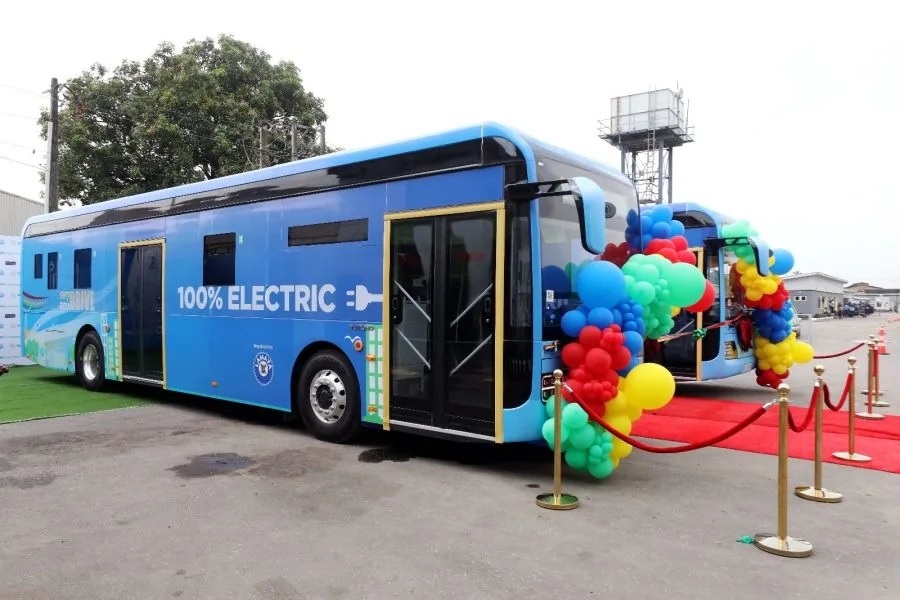
In a significant stride toward achieving a sustainable road transport system, Oando Clean Energy Limited (OCEL) has announced the delivery of electric mass transit buses that will kick off the Proof of Concept phase of their Sustainable Transport Initiative. This initiative is part of OCEL’s commitment to the Lagos Metropolitan Area Transport Authority (LAMATA) and the Lagos State Government’s goal of improving mass transit infrastructure and reducing carbon emissions. Let’s delve into the details of this transformative project and its potential impact on Nigeria’s transportation landscape.
Partnership for a Greener Future
On April 28, 2022, OCEL and LAMATA signed a Memorandum of Understanding (MoU) to deploy an Electric Vehicle (EV) Infrastructure Ecosystem, comprising electric buses, charging stations, and supporting infrastructure, in Lagos State. OCEL’s partnership with Yutong Bus Co Limited, the world’s largest electric vehicle manufacturer, facilitated the production of electric buses equipped with air conditioning and Wi-Fi. These buses, along with the charging stations and spare parts, mark the commencement of OCEL’s Sustainable Transport Initiative.
Transitioning to Electric Mass Transit
OCEL’s Sustainable Transport Initiative aims to decarbonize Nigeria’s transport system and enhance the socio-economic impact of transportation within the country. Over the next seven years, OCEL plans to replace the existing combustion engine mass transit buses with electric buses, starting in Lagos State and eventually expanding across the country. This ambitious initiative aligns with the Nigeria Energy Transition Plan (NETP), which seeks to implement electric vehicles nationwide and boost local capacity through the construction of EV assembly plants.
Benefits for Nigeria’s Future
The transition to electric mass transit brings numerous benefits to Nigeria’s transportation landscape and overall well-being. Firstly, it contributes to improved air quality and public health by reducing harmful emissions from fossil fuel-powered vehicles. Secondly, it stimulates job creation, as the initiative will employ at least 3,000 new drivers and an additional 2,000 workers for bus maintenance, depot management, and related roles. These employment opportunities will have a positive impact on the economy, with estimated cost savings of US$2.6 billion, equivalent to 3.6% of Lagos’s GDP.
Advancing Sustainable Transport
OCEL’s electric mass transit initiative represents a significant milestone in Lagos State’s commitment to reducing greenhouse gas effects and using clean energy in its transport operations. The development of a sustainable transport ecosystem goes beyond deploying electric buses. It involves building an EV infrastructure that supports efficient bus operations through charging stations, servicing, spare parts, skills development, and knowledge transfer. This holistic approach ensures the long-term success and scalability of sustainable transportation solutions.
A Catalyst for Change
The successful implementation of OCEL’s Sustainable Transport Initiative in Lagos sets a precedent for other states in Nigeria and organizations aspiring to venture into sustainable transportation. The project serves as a model that can be customized to suit local needs and encourages public-private partnerships as critical drivers of sustainable development. OCEL’s audacity and innovation in propelling Nigeria toward net-zero targets demonstrate their commitment to transforming the country’s energy future.
Conclusion
Oando Clean Energy Limited’s partnership with Yutong Bus Co Limited and the Lagos State Government through LAMATA marks a watershed moment for sustainable transport in Nigeria. The delivery of electric mass transit buses and the development of an EV infrastructure ecosystem pave the way for a greener, more efficient, and economically viable transportation system. As OCEL leads the charge in decarbonizing Nigeria’s transport sector, the positive impacts on air quality, employment, and economic savings are poised to create a brighter and cleaner future for the nation.




 Benefits of Fasting