
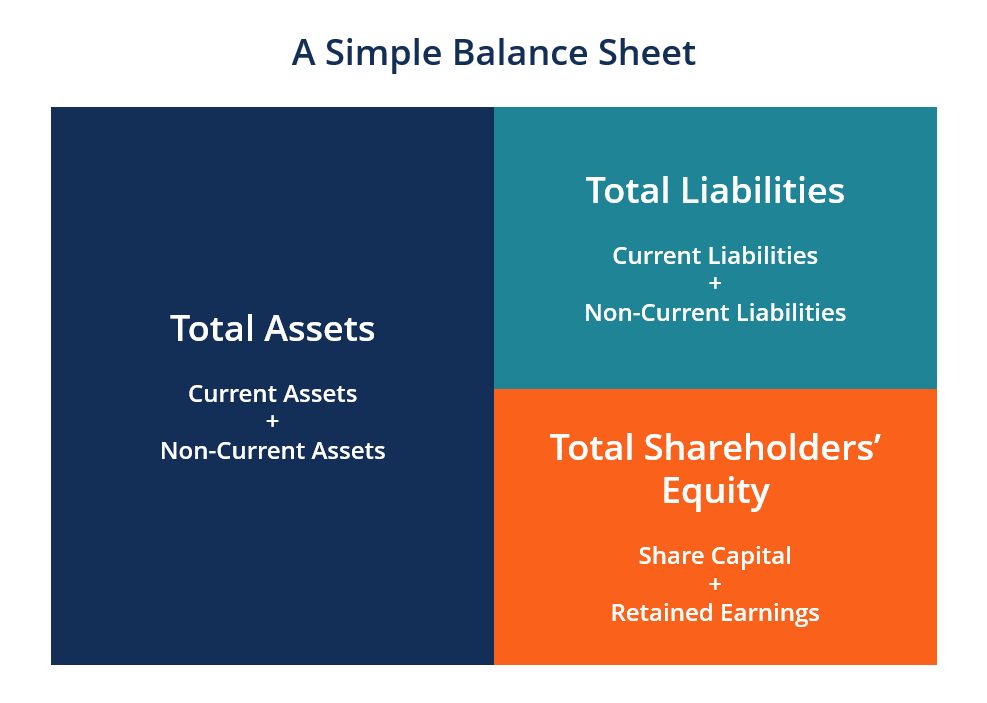
ASSETS = LIABILITIES + EQUITY
That was the first equation given to us by our renowned Professor Akinwale Owolabi during our first Corporate Finance Accounting (CFA) class at Lagos Business School, together they make up the balance sheet or the Statement of Financial Position of a company. This is the core basics of accounting; if you have a good understanding of this equation, then you would have gotten hold of what keeps an organization or business running.
Corporate finance accounting is a branch of finance that deals with how organisations and businesses address funding sources, capital structuring , investment decisions and accounting. It has to do with identifying investable project opportunities, evaluating them to ascertain which is profitable and deciding on funding the opportunities. It is concerned with maximizing shareholder value through long- and short-term financial planning and capital investment. And this is where our accounting equation comes in.
If you intend to start up a business of your own, you need to have a deep knowledge of how this works as you cannot start or run a business without identifying where your funding will come from in order to maximize profit and to minimize cost. And this where our accounting equation comes into play; the concept behind it s that all an organization has come from somewhere – either a 3rd party, such as a lender or an owner, such as a stockholder. That is whatever a company has can be classified as both an asset and a liability or an asset and an equity.
This concept is no so clear to many people especially those in other discipline asides finance but then we all need this information especially our CEO’s and business owners who needs to understand the profitability of their business dynamics. An asset can be owned or controlled and generates economic benefit; it could be liquid, tangible, intangible and noncurrent assets. And assets are funded by the company’s liabilities and equity.
A liability is a company’s financial obligation e.g. debt and it is divided into current and long term liabilities. Current liabilities are obligations due within a year like interest payable while long term liabilities are obligations due beyond a year like bonds payable. The equity portion is the monetary value of an owner’s interest in property after liabilities are accounted for and we have common stock, preferred stock and treachery stock.
The accounting equation is a representation of a business finances in the form of assets, liabilities and owner’s equity that can help you determine the amount of money your company has in each category. When you add your total liabilities and total equity, the result should equal your assets. If they are not equal, then review your calculations to make ensure you entered your inputs correctly.
It was really explained to us in detail in class and we were made to understand that the equation tells a company how much you have, how much you owe and what is left over. It also helps a business to understand where that money is at any given point in time and help ensure you have not made any mistakes in recording your transactions.
Without understanding assets, liabilities and equity, you will not be able to master your business finances. Debt could pile up even while cash is coming in fast. But armed with this essential info, you will be able to make big purchases confidently and know exactly where your business stands.
##Annabel Nzegbule
##EMBA 28

 Business Etiquette: The Guide