
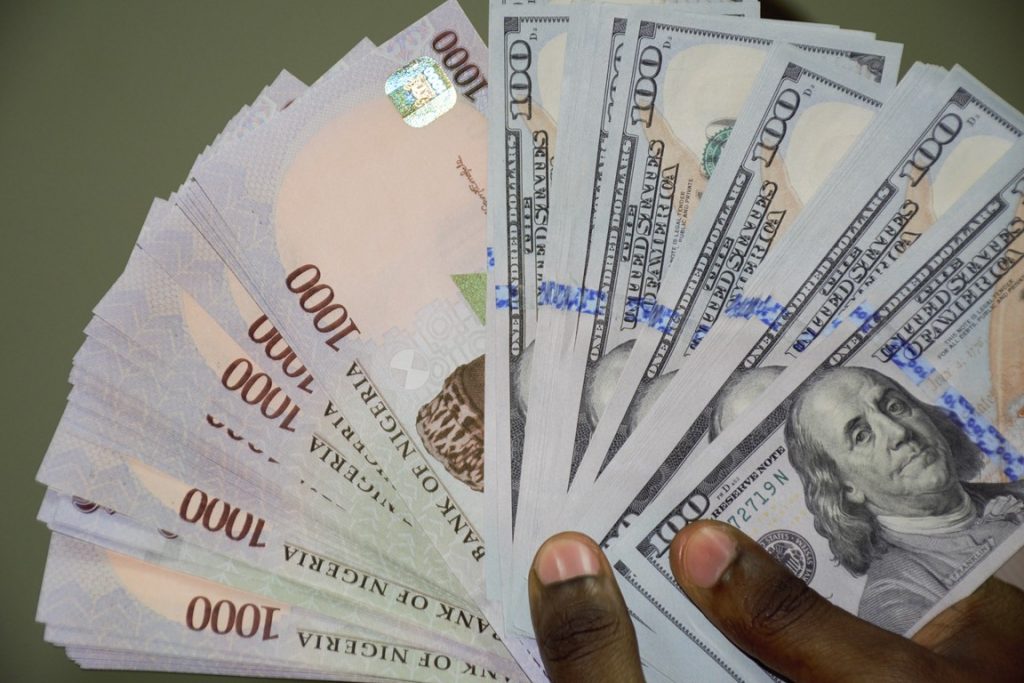
The central bank of Nigeria has given us various reasons why the major naira notes will be redesigned, and by December 15, 2022, they will start circulating it. The old naira note will no longer be accepted by January 31, 2023. It will be the 16th time the national currency has been redesigned or changed since 1959. It is claimed that global best practice permits central banks to redesign, produce and circulate new local legal tender every five to eight years. The last time the naira had a makeover was 20 years ago.
The affected denominations are one hundred naira, two hundred naira, five hundred naira, and one thousand naira notes. The CBN Governor, Godwin Emefiele, gave the reason for the significant hoarding of the naira note; he said that over 80% of the currency in circulation is outside the commercial bank’s vault. In September 2022, 2.73 trillion naira out of 3.23 trillion naira in circulation was outside commercial banks’ vaults across the country. Emefiele said, “…what we want to do is mop up the N3.2 trillion back into the CBN so we can take control of the money supply…”.
Will this help to reduce inflation or to deal with terrorism? What likely gains and consequences will be highlighted from this drastic decision? While we can say that our honourable president is in full support of this recent development, the finance minister disowns the policy. There have been mixed reviews by many Nigerians about this sudden decision. Some people think it is a smart move; others don’t think so. Some say it would not stop those hoarding cash, and because the naira is expected to drop, even more people tend to buy the dollar and hold on to it. This could well be a quick response—a way to get rid of old naira now and swap dollars for new notes come December—but it will have the effect, in the short term, of widening the gap between the naira and the dollar.
Nigeria’s naira suffers from the weight of an import-dependent economy. Its year-long depreciation against the dollar has been fueled by, among other things, low dollar revenues from the sale of oil due to theft from pipelines. An official of the state oil company said Nigeria has lost 470,000 barrels per day in theft, valued at $700 million monthly. This has increased the demand for dollars amongst importers and businesses like international airlines.
While I understand why they are trying to do this, I do not think it is a pressing issue for us today. The CBN wants to force all those notes back into the banking system. Those with the notes must surrender them to get new ones, or else it becomes illegal tender after January 31, 2023. This is also a way to withdraw currency from circulation, an unorthodox way of tightening the money supply since the country is battling high inflation.
I hope you enjoyed reading my post.
Reference
#Memba11
