
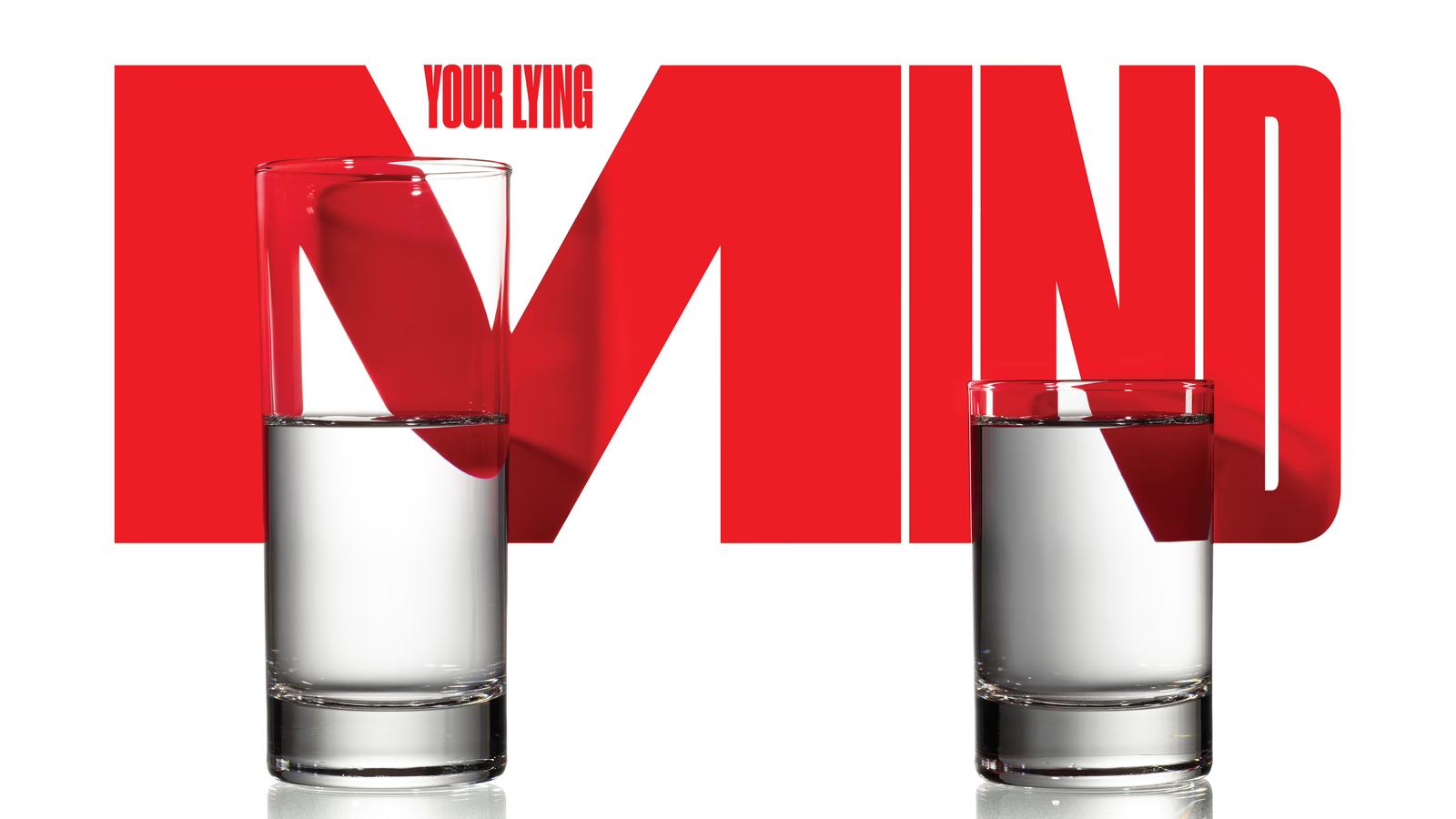
How easy would life be without any problems? Smooth and exciting right?
Well, I’m not a deliverer of bad news, but life wouldn’t be life without PROBLEMS. Also, many of the most significant problems are lead to potential opportunities and new ideas.
Biases are not always intentional, but that doesn’t write them off as biases when deciding or solving a problem. I always recommend being aware of the biases your mind takes when solving a problem or making a decision. Being aware of your biases can put you in a better position to solve any problem.
As humans, we condition ourselves by our experiences, movies, books, and many other things we see online or surround us.
Luckily, we can all learn how to be better at solving our problems. Aside from learning problem-solving techniques, one of the most helpful things to be aware of when solving problems is your personal cognitive biases.
Cognitive biases are unconscious errors in thinking that arise from problems related to memory, attention, and other mental mistakes. We often overlook them and they lead to poor decisions. It refers to the tendency of our brain to apply “short-cuts” to solving problems.
Here are some of the most cognitive biases to be aware of:
Confirmation bias
Confirmation bias is the tendency to process information by looking for, or interpreting, information that is consistent with one’s existing beliefs. This bias is largely unintentional and often ignores non-conforming facts when forming a decision or resolving an issue.
Recency bias
The recency bias is a type of bias we exhibit when we rely solely on recent information in forming a decision. A typical example will be when an African woman writes a budget for foodstuffs without leaving doubts of any change that may have occurred in recent times. In this case, one should always seek options and get adequate information confirmation before deciding on the recency of information.
Framing bias
A kind of bias wherein an individual chooses an option influenced more by the presentation of information than by the content within the data. For example, sweetened milk with no sweetener in it compared to another brand of sweetened milk containing 20gm of sweetener.
Anchoring Bias
Anchoring bias involves an individual’s decision sticking to a particular point of reference, “an anchor.” It is a tougher bias to overcome because decisions, perceptions and notions are often changed to accommodate the anchor.
In all honesty, we all have biases that affect how we view the world and handle situations. Such biases can potentially cause us to make decisions that are neither wise nor fair. But do they make us bad people? Absolutely not. It simply means we are human, influenced by our life experiences and the things around us.
“The illiterate of the 21st century will not be those who cannot read and write, but those who cannot learn, unlearn and relearn.”
– Alvin Toffler
In conclusion, once you are aware of any biases you tend to exhibit or foster, you have the power to change them and get better. Start by learning about the subject matter, noting a group or groups causing you to exercise bias. Make an effort to engage with the topic thinking critically and genuinely understanding the situation before moving to the execution stage.
Being able to think about our thinking effectively is a vital step in overcoming biases.

 Framing.