
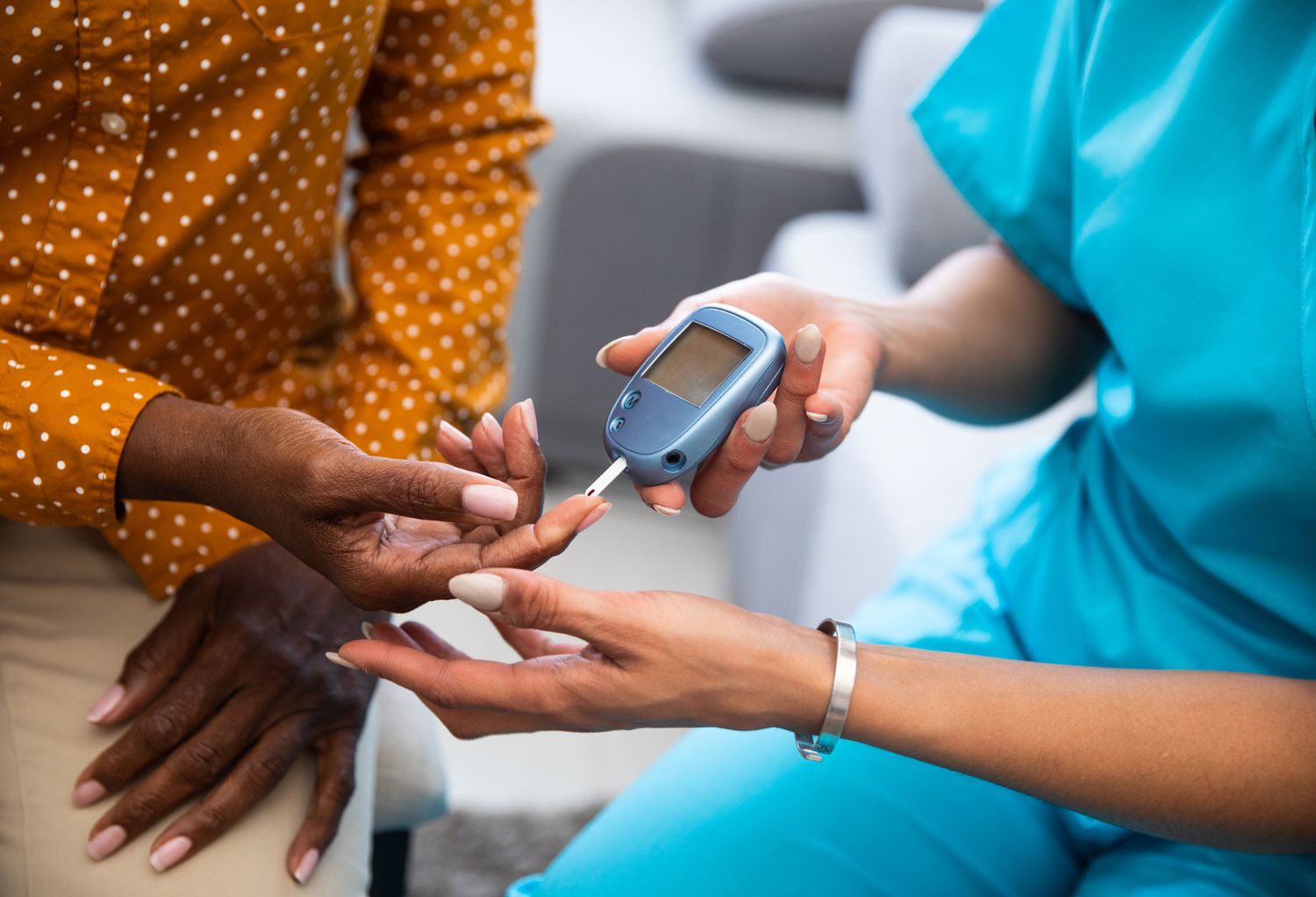
Diabetes is a chronic condition due to the body either underproducing enough insulin or under-utilization. Insulin, a hormone secreted by the pancreas, regulates blood sugar levels. During the ingestion of carbohydrates, insulin is released in response to the increased blood glucose levels.
Additionally, insulin promotes the storage of surplus glucose in the liver for future energy requirements. This regulatory process ensures that blood glucose levels remain within a normal range. For individuals with diabetes, a condition marked by inadequate insulin production or impaired response to insulin, managing blood sugar levels becomes a challenge.
Diabetes inhibits the regulation of blood sugar levels in the body, leading to various health complications. Globally, it is one of the leading causes of morbidity and mortality and places a gargantuan burden on healthcare due to ongoing medical care and monitoring. In Nigeria, an estimated 4.7 million adults live with diabetes and due to urbanization and lifestyle changes, a growth of 6.1 million by 2030 is projected (International Diabetes Federation). The economic impact of the disease is evident in households with direct out-of-pocket expenditure.
Diabetes plays host to severe complications like cardiovascular, kidney, and nerve disorders. These complications affect both the quality of life and households’ financial resources. Diabetes is currently a burden on the global community and understanding its impacts is necessary for prevention as well as other public health initiatives.
There are different types of diabetes including type 1, 2, and gestational diabetes. Type 1 diabetes is an autoimmune disorder whereby the body’s defenses (immune system) invade and destroy the insulin-producing cells located in the pancreas. Although scientific research aimed at identifying the root cause of type 1 diabetes has remained unsuccessful, a correlation between genetics and environmental factors has been established.
Type 2 diabetes, on the other hand, is the most prevalent form of diabetes and generally occurs when the body becomes resistant to insulin or the pancreas fails to produce enough insulin. Factors that predispose an individual to type 2 diabetes include a poor diet, a family history of diabetes, a sedentary lifestyle, and obesity.
Gestational diabetes develops during pregnancy when the body cannot produce enough insulin to meet increased demands. Occurring around the 24th to 28th week, risk factors include obesity and a family history of diabetes, managed through lifestyle changes, it may require medication if blood sugar levels stay high. Proper management is vital to prevent complications, including preeclampsia and excessive birth weight, benefiting both the mother and baby. Regular prenatal care, blood sugar monitoring, and adherence to healthcare provider recommendations are crucial for effective gestational diabetes management.
It is important to listen to your body to identify early onset of symptoms. Symptoms of diabetes include:
- Frequent urination: This happens because the body tries to get rid of excess sugar through urine.
- Increased thirst: Feeling thirsty all the time, even after drinking plenty of fluids, can be a symptom of diabetes. This is the body’s way of trying to compensate for the fluid loss from frequent urination.
- Unexplained weight loss: If one is losing weight without trying, it could be due to diabetes. When the body can’t use glucose properly, it starts burning fat and muscle for energy, leading to weight loss.
- Fatigue: Feeling tired and low on energy, even after getting enough rest, is another early symptom of diabetes. The body’s inability to properly use glucose can leave you feeling drained.
- Blurred vision: High blood sugar levels can affect the lens in your eyes, causing temporary vision changes. If you notice sudden or frequent blurry vision, it’s worth getting checked out.
The foundation of modern medicine rests on prevention, and lifestyle choices play a significant role in mitigating the risk of diabetes. By adopting a proactive approach and making informed decisions about diet, exercise, and overall well-being, individuals can contribute to reducing their susceptibility to diabetes and its potential long-term complications.

 Public Speaking