
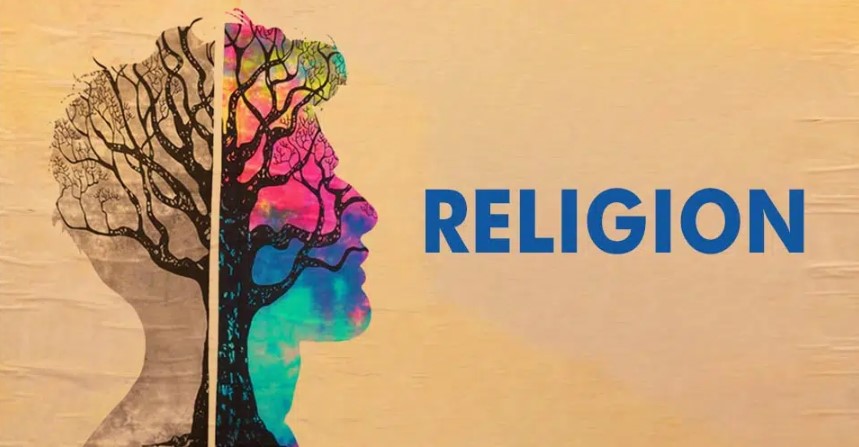
Religion, a fundamental aspect of human experience, weaves through the fabric of societies, providing a framework for belief, ritual, and community. Across cultures and continents, the expression of faith takes myriad forms, shaping individual identities and collective narratives. This brief exploration delves into the diverse realms of religion, acknowledging its profound impact on human history, culture, and the quest for meaning in the world. Often hailed as the “Giant of Africa,” Nigeria showcases a rich blend of cultural and ethnic diversity, notably evident in its religious landscape. With a population exceeding 200 million, the nation weaves a tapestry of religious beliefs, practices, and traditions that blend in a nuanced yet cohesive manner.
Religious Diversity:
Nigeria stands as a microcosm of religious pluralism, prominently featuring Islam and Christianity as the two predominant faiths. Approximately half the population identifies as Muslim, primarily in the northern regions, while the southern and central areas host a predominantly Christian community. Beyond these major faiths, traditional African religions persist in various communities, contributing to the intricate religious diversity of Nigeria.
Islam in Nigeria:
The roots of Islam in Nigeria trace back to the 11th century, with significant Muslim majorities in northern regions like Kano, Sokoto, and Borno. Various Islamic sects, including Sunni and Shia, contribute to the diverse Islamic practices across the country. Celebrations such as Ramadan, Eid al-Fitr, and Eid al-Adha foster a profound sense of unity among Muslim communities.
Christianity in Nigeria:
Christianity, introduced by European missionaries in the 19th century, has become a significant religious force in Nigeria. Cities like Lagos and Enugu in the southern and central regions host a substantial Christian population, diversified across denominations such as Roman Catholic, Protestant, Anglican, and Pentecostal. Religious festivities, including Christmas and Easter, resonate with fervor across the nation.
Traditional Religions:
Amidst the dominance of Islam and Christianity, traditional African religions persist in many communities, deeply ingrained in Nigeria’s cultural fabric. These indigenous belief systems are often interwoven with rituals, ceremonies, and communal practices, emphasizing aspects like ancestral worship, nature reverence, and spirit possession. These traditions enrich the nation’s diverse religious landscape. While there is a rich cultural heritage associated with traditional Nigerian religions, it’s important to note that discussing prejudices may involve generalizations and may not be universally applicable to all individuals or communities.
Interfaith Relations:
Nigeria, despite historical tensions between religious communities, actively engages in fostering interfaith dialogue and understanding. Initiatives such as interfaith forums and collaborative community projects underscore the commitment to promoting peaceful coexistence and harmony among followers of different faiths.
Challenges and Opportunities:
While Nigeria’s religious diversity is a source of strength, it also presents challenges such as occasional tensions, discrimination, and, in extreme cases, violence. The government, civil society, and religious leaders persistently work to address these challenges, striving to promote religious tolerance and understanding.
Nigeria’s religious tapestry is a vibrant reflection of its rich cultural heritage. The coexistence of Islam, Christianity, and traditional African religions creates a unique mosaic that contributes to the nation’s identity. As Nigeria navigates the complexities of religious diversity, fostering mutual respect and understanding remains paramount for building a united and harmonious society.
#MMBA5

 Spiritual Black Beans