
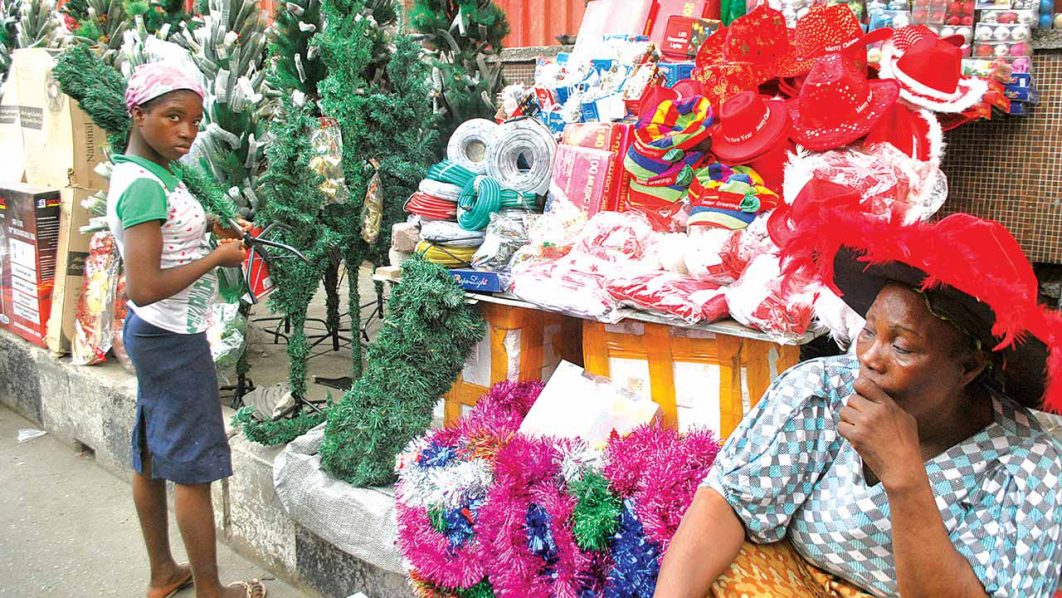
As we gear up for the festive season, concern looms over the country due to inflation, most especially in the cost of food and air ticket prices. Nigeria, like many nations, has been dealing with economic challenges, including inflation, fluctuating exchange rates, and a rising cost of living. These factors have collectively contributed to the surge in food and flight prices, making it difficult for many families to afford staple items or travel for the holidays. The global COVID-19 pandemic has exposed vulnerabilities in supply chains worldwide, and Nigeria is no exception. Disruptions in transportation, logistics, and production have led to shortages and increased costs. Farmers, already facing numerous challenges, have been adversely affected, contributing to reduced yields and further driving up prices. Equally, air ticket prices have surged by 100% due to operational inefficiencies and increased costs of aviation fuel as a result of FX woes.
The festive season in Nigeria is traditionally a time of joy, marked with family gatherings, numerous parties, influx of Nigerians in diaspora and the Igbos retreating to the ‘East’. However, the escalating cost of food has cast a shadow over the celebrations this year. As at September this year, a 50kg bag of local rice cost about ₦25,000, now it is as high as ₦43,000, a whole live chicken previously sold for about ₦6,500 is now ₦11,000. Similarly, flight tickets used to range around ₦40,000 – ₦60,000 for economy class, now you may struggle to find a one-way ticket for ₦60,000. Families are now forced to reconsider their festive plans, and some are finding it increasingly challenging to afford the usual array of special dishes and treats. For many Nigerians, the festive season brings both excitement and financial strain. The rising cost of food worsens this strain, forcing families to allocate more of their budgets to basic necessities. This leaves less room for flexible spending on gifts, decorations, and other traditional elements of the celebration, dampening the overall festive spirit.
Addressing the root causes of these rising costs in Nigeria requires a multi-faceted approach. Policymakers, businesses, and communities need to collaborate on strategies to stabilize the economy, enhance agricultural practices, and strengthen local supply chains. Airline companies should explore alternative sources for aviation fuel within Nigeria or regionally to buffer against foreign exchange fluctuations. Simultaneously, they should invest in optimizing operations, reducing logistical bottlenecks, and improving maintenance processes to enhance overall efficiency and cost-effectiveness.
As Nigerians navigate this festive season, the resilience and unity displayed in the face of adversity can serve as a testament to the nation’s spirit. By acknowledging the challenges and working collectively towards solutions, there is hope that future celebrations will be marked by abundance, prosperity, and shared happiness for all. As one of my favourite Tiktok sound says ‘If they like, let them sell a bag of rice for ₦ 100,000, the children of God will survive!’

 The Time I Was a Parrot Owner(Part 3)