
Climbing Mount Everest is considered a feat of human endurance and determination. The highest peak in the world, it has claimed the lives of over 200 climbers. The mountain is a dangerous and unforgiving place. It offers seemingly endless options for kicking the bucket, from falling into the abyss to suffocating from lack of oxygen to being smashed by raining boulders.
For over twenty years, numerous mountaineers ascending Mount Everest have encountered “Green Boots,” a deceased climber who lost his life near the summit in 1996. Despite ongoing uncertainty about Green Boots’ identity, his remains are among several that tragically mark the route to the top of the world’s highest and most difficult mountain to climb.
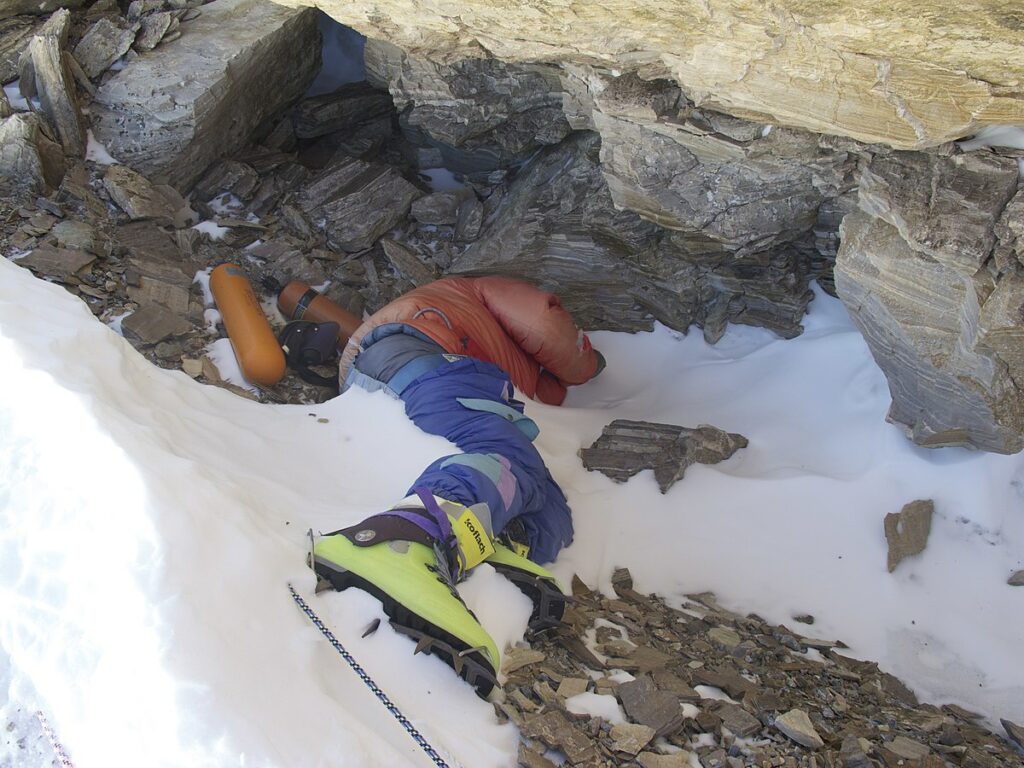
Green Boots is the body of an unidentified climber that became a landmark on the main Northeast ridge route of Mount Everest. The body has not been officially identified, but is believed to be Tsewang Paljor, an Indian climber who died on Everest in 1996. The term Green Boots originated from the green Koflach mountaineering boots on his feet. All expeditions from the north side encountered the body curled in the limestone alcove cave at 8,500 m (27,900 ft), until it was moved in 2014.
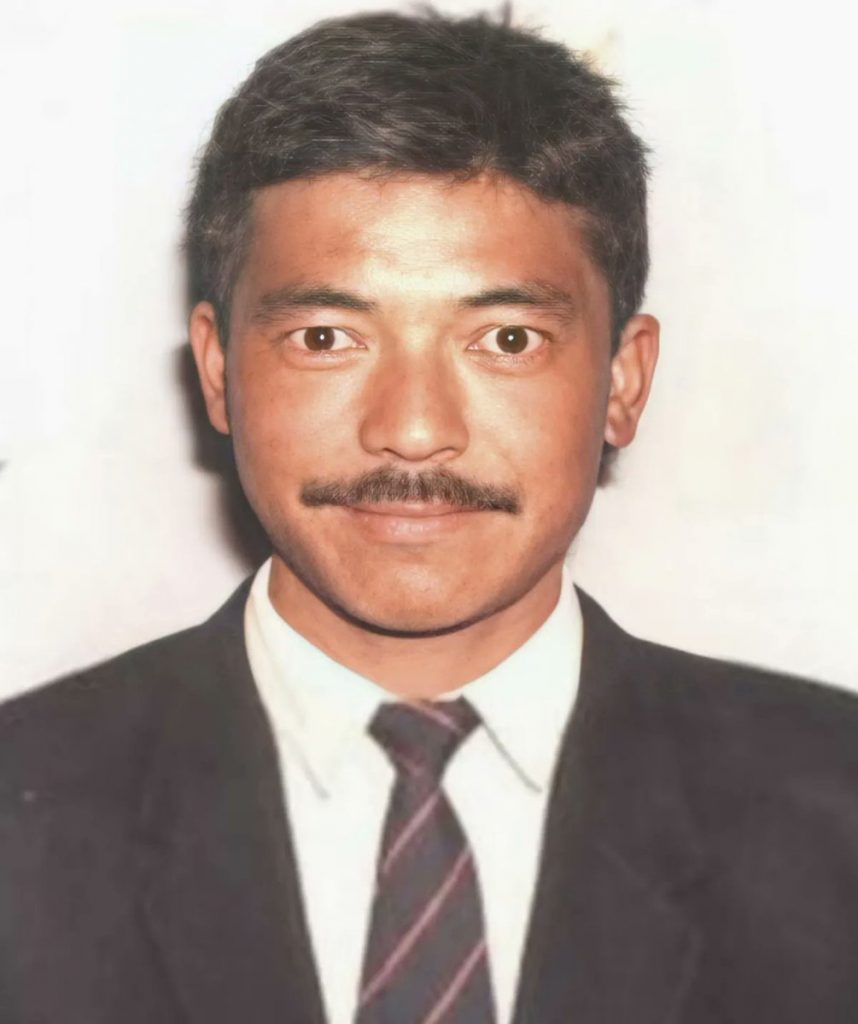
On May 10, 1996, a severe blizzard struck the mountain, leading to the tragic demise of Paljor. In the early 21st century, Green Boots joined the ranks of roughly 200 corpses remaining on Everest. Over the years, the term “Green Boots” became common as all expeditions from the north side encountered the body of the climber curled up in the limestone alcove cave. The body was moved to a less conspicuous location by members of a Chinese expedition in 2014.
Controversy arose over whether a team of Japanese climbers from Fukuoka had seen and potentially failed to assist the missing Indian climbers. They were unaware of the missing Indians and believed these others, all of whom were wearing goggles and oxygen masks under their hoods, were members of a climbing party from Taiwan.
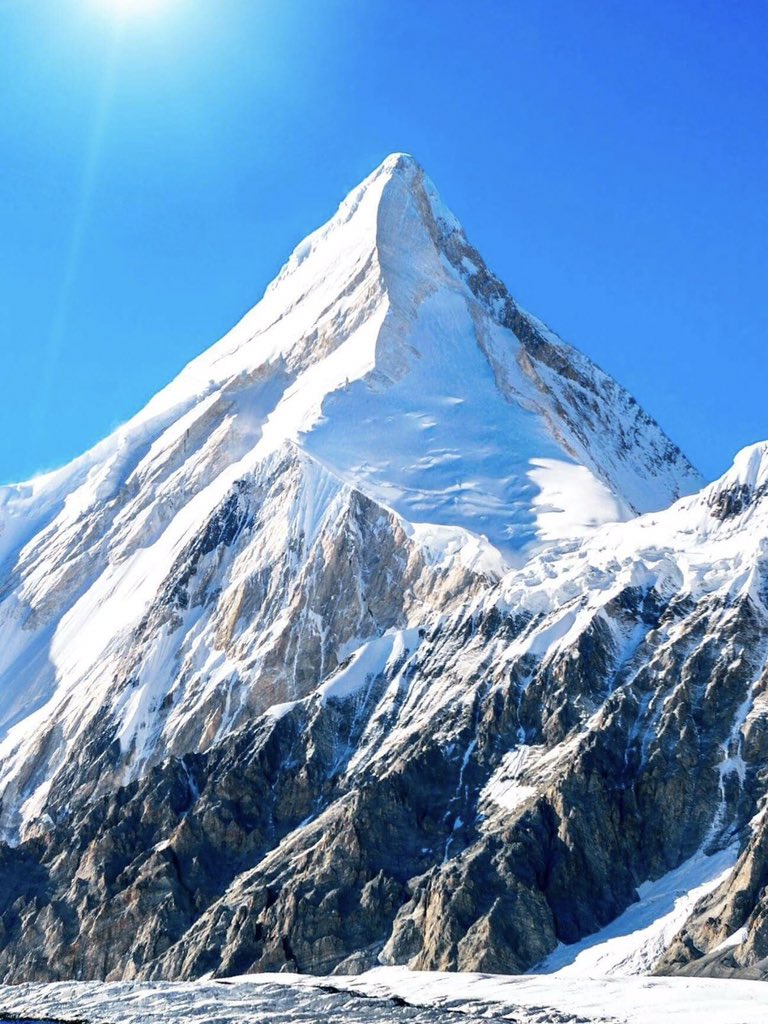
More than 200 people have died in their attempt to scale Mount Everest. Yet climbers continue to try their skills – and luck – in tackling Everest, despite the obvious dangers. Indeed, the living passes the frozen, preserved dead along Everest’s routes so often that many bodies have earned nicknames and serve as trail markers.
The dead bodies lay along the route to the top of Mount Everest. The bodies are used as landmarks by climbers and have been given nicknames such as “Green Boots.”
If you’ve ever wondered what it takes to climb Mt Everest, this video will give you a taste. It showcases one of the most perilous sections of the climb.
Despite the danger and the tragic loss of life, climbers continue to be drawn to the challenge of Mount Everest. The mountain serves as a reminder of the limits of human endurance and the price of taking risks. Green Boots and the other bodies on the mountain serve as grim milestones for climbers, indicating their proximity to the summit and the danger ahead.

 Celebrating the Holidays Amidst Challenges