
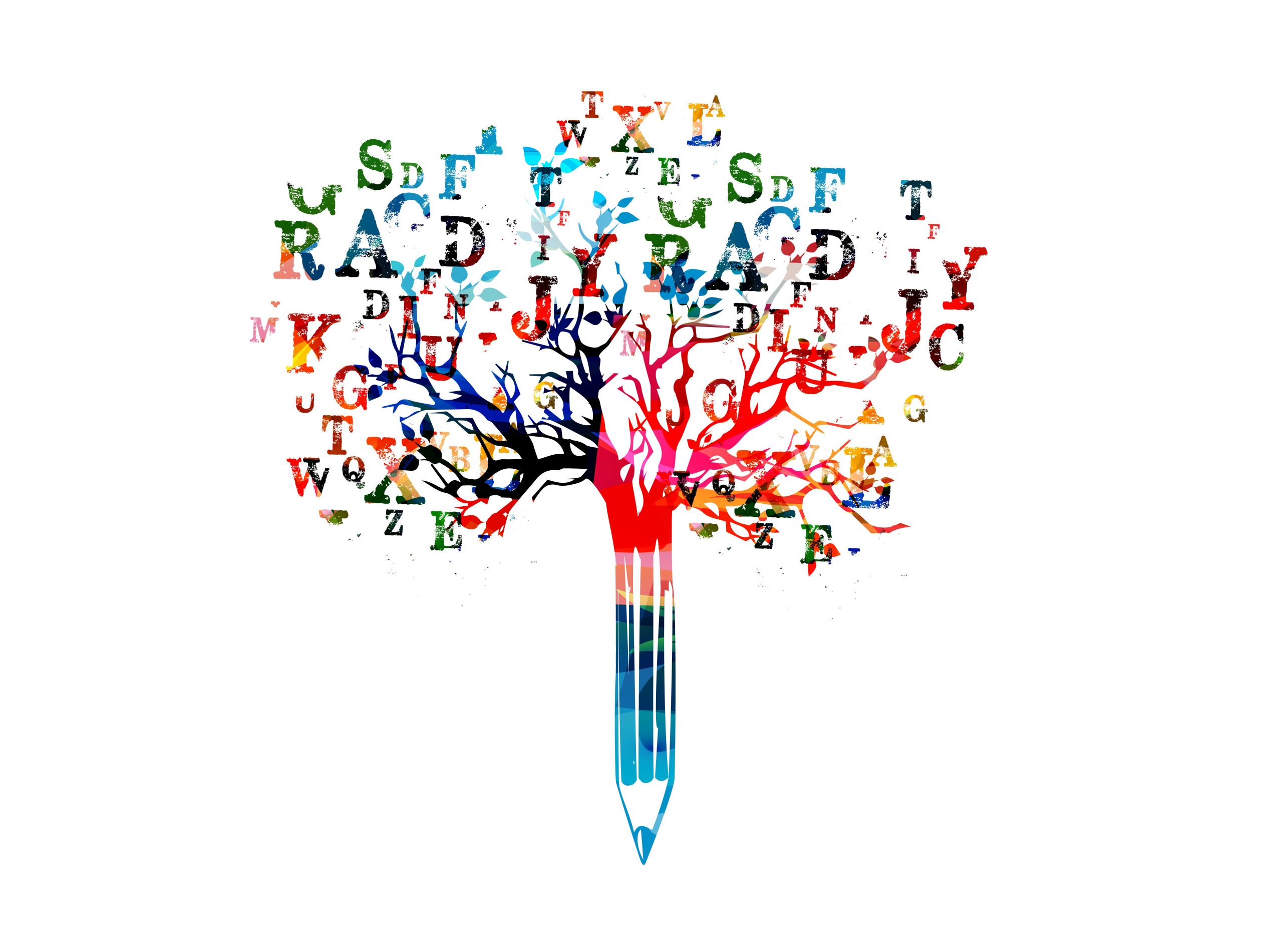
In the world of business, effective communication is paramount. It is the key to building relationships, conveying ideas, and influencing outcomes. And at the heart of communication lies the art of writing. Whether it is drafting emails, crafting persuasive proposals, or preparing reports, the ability to convey thoughts clearly and concisely can make all the difference between success and failure in the professional arena.
The importance of writing cannot be overstated. Well-written documents not only reflect professionalism, but they also establish credibility and leave a lasting impression on clients, colleagues, and superiors. In a fast-paced business environment, where time is of the essence, precise and succinct writing can help deliver the intended message effectively, saving time for both the writer and the reader.
One of the key aspects of mastering the art of writing is understanding the audience. Writing techniques that work for one audience may not necessarily resonate with another. For example, a formal report for a board of directors will require a different tone and structure compared to an email sent to colleagues. By taking the time to understand the needs, expectations, and preferences of the intended audience, one can tailor their writing style accordingly, ensuring maximum impact and engagement.
Furthermore, a well-written piece of business communication must have a clear purpose and a logical flow of ideas. It should present information in a manner that is easy to comprehend, avoiding jargon and complex terms whenever possible. Using simple language not only facilitates understanding but also helps to establish a sense of trust and authenticity, as it indicates that the writer is genuinely interested in ensuring the audience’s comprehension.
Another essential element of effective writing is proper grammar and punctuation. Sloppy mistakes in grammar and punctuation can undermine even the most well-researched and compelling argument. Proofreading and editing are crucial to ensure that the document is error-free and professionally presented. Taking the time to review the writing carefully can make a significant difference in the final outcome.
In addition to the technical aspects of writing, the creative aspects should not be neglected. Using creativity in writing can help capture the reader’s attention and make a lasting impression. Employing rhetorical devices, such as metaphors or anecdotes, can bring life to a piece of writing and make it more engaging. However, it is important to strike the right balance between creativity and professionalism, ensuring that the main purpose of the writing is not overshadowed.
In today’s digital age, where communication has been largely reduced to text messages and social media posts, honing the art of writing is even more critical. The business world is flooded with written communication, and standing out requires exceptional writing skills. This is particularly true for those aspiring to leadership positions, where the ability to inspire, influence, and motivate through writing is essential.
Fortunately, the art of writing can be developed and refined through practice and continuous learning. Taking advantage of online resources, workshops, and courses can provide valuable insights and guidance on how to improve one’s writing skills. Seeking feedback from colleagues, mentors, or even hiring professional editors can also accelerate the learning process.
In conclusion, the art of writing is an indispensable skill for success in the business world. With effective writing, professionals can establish credibility, enhance relationships, and drive the desired outcomes. By understanding the audience, demonstrating clarity and coherence, paying attention to grammar and punctuation, and infusing creativity, individuals can master this art and unlock new opportunities in their careers. So, let us embrace the power of words and strive to become proficient writers, as it is through writing that we can truly make our mark in the business landscape.

 The Power of Positive Thinking: How a Shift in Mindset can Transform Your Life