
Leadership is a critical component of business success. Whether it is leading a team, managing projects, or making strategic decisions, effective leadership can drive organizational performance and foster a positive work environment. While technical skills and knowledge are undoubtedly important, there is another dimension of leadership that is often overlooked but equally crucial – emotional intelligence.
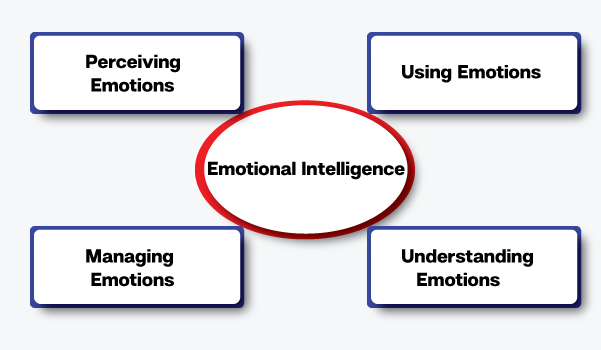
Emotional intelligence refers to the ability to recognize, understand, and manage one’s own emotions and those of others. It encompasses self-awareness, self-regulation, empathy, and social skills. With the increasing emphasis on collaborative work environments and the need for effective teamwork, leaders who possess high emotional intelligence are better equipped to navigate complex interpersonal dynamics and inspire their teams to achieve success.
One key aspect of emotional intelligence is self-awareness. Self-aware leaders have a deep understanding of their emotions, strengths, weaknesses, and how their behavior impacts others. They are able to regulate their emotions and maintain composure in stressful situations, which allows them to think rationally and make sound decisions. By being aware of their own emotions, they are also able to manage their reactions, preventing impulsive behavior that can compromise relationships and undermine team dynamics.
Furthermore, leaders with high emotional intelligence are empathetic. They are able to put themselves in the shoes of others, understand their perspectives, and relate to their feelings. This empathy enables leaders to establish meaningful connections with their team members, creating a sense of trust, loyalty, and engagement. When employees feel understood and valued, they are more likely to perform at their best and contribute to the overall success of the organization.
In addition, emotional intelligence plays a crucial role in conflict resolution and effective communication. Leaders with high emotional intelligence are skilled at managing conflicts constructively, as they can understand the root causes of conflicts, remain calm in tense situations, and facilitate open dialogue to find mutually beneficial solutions. They also excel in communication, as they are able to convey their thoughts and ideas clearly and listen actively to others. This fosters effective collaboration, improves decision-making, and enhances overall team performance.
Moreover, emotional intelligence is closely linked to leadership resilience and adaptability. In today’s fast-paced and unpredictable business landscape, leaders must be able to navigate constant change and uncertainty. High emotional intelligence equips leaders with the ability to handle setbacks, bounce back from failures, and adapt to new circumstances. This resilience allows them to inspire confidence in their team members and maintain a positive work environment even in challenging times.
Developing emotional intelligence is a lifelong journey. Thankfully, it is a skill that can be learned and enhanced through self-reflection, feedback, and personal development activities. Seeking feedback from colleagues, mentors, or executive coaches can provide valuable insights into one’s emotional intelligence strengths and areas for improvement. Additionally, investing time in activities that promote self-awareness and emotional regulation, such as mindfulness, can help leaders cultivate and strengthen their emotional intelligence.
In conclusion, emotional intelligence is a critical component of effective leadership. Leaders who possess high emotional intelligence are able to foster positive relationships, navigate conflicts, communicate effectively, and inspire their teams to achieve exceptional results. As MBA students and future business leaders, it is essential to recognize the importance of emotional intelligence and actively develop this skill. By honing our emotional intelligence, we can become influential leaders who drive organizational success and create a positive impact on the people we lead.

 The Art of Writing: Mastering Communication Skills for Business Success