
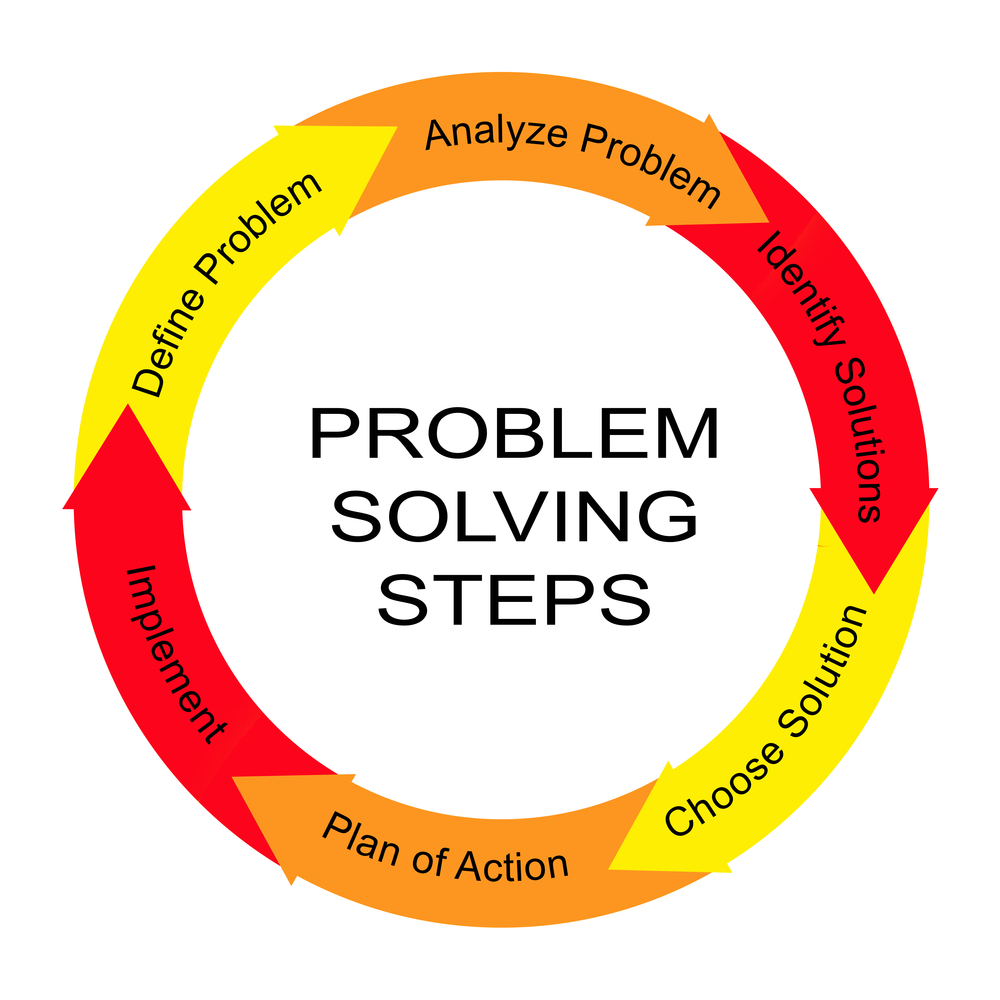
In the dynamic landscape of business, challenges and problems are inevitable. The ability to effectively analyze and address these issues is a crucial skill for any organization. This article explores a structured approach to problem analysis, highlighting key guidelines that include understanding the situation, crafting a problem statement, defining objectives, exploring alternatives, establishing criteria, and conducting a thorough evaluation leading to informed decision-making.
Understanding the Situation:
Before diving into problem-solving, it’s essential to gain a deep understanding of the situation at hand. This involves thorough research, data collection, and engagement with relevant stakeholders. Understanding the context allows for a more accurate diagnosis of the problem and lays the groundwork for effective solutions.
Crafting a Problem Statement:
A well-defined problem statement serves as the compass for the entire analysis process. It should be clear, concise, and specific, outlining the nature of the problem and its impact on the business. The problem statement should answer the questions; Why, Who, Where, When and How. Crafting a problem statement requires careful consideration of the symptoms, root causes, and the broader implications for the organization.
Mentioning the Objective:
Every analysis should have a clear objective. What does the organization aim to achieve by addressing this problem? The objective acts as a guiding principle, aligning efforts towards a specific outcome. Whether it’s improving efficiency, reducing costs, or enhancing customer satisfaction, a well-defined objective keeps the analysis focused.
Exploring Alternatives:
Creativity comes into play when generating potential solutions or alternatives. Encourage brainstorming sessions to explore a range of possibilities. This phase is about thinking outside the box and considering diverse approaches to address the identified problem. Each alternative should be thoroughly examined for its feasibility and potential impact.
Establishing Criteria:
To evaluate alternatives effectively, establish a set of criteria that align with the organization’s goals and values. Criteria act as the yardstick against which each alternative is measured. Consider factors such as cost, feasibility, time frame, and alignment with organizational objectives and properly analyzed. Well-defined criteria ensure a comprehensive and fair evaluation process.
Evaluation:
Systematically evaluate each alternative against the established criteria. This involves a quantitative and qualitative analysis, weighing the pros and cons of each option. Use tools such as cost-benefit analysis, risk assessments, and stakeholder impact assessments to provide a holistic view. The goal is to identify the solution that best addresses the problem while aligning with the organization’s strategic goals.
Decision:
The final step involves making an informed decision based on the analysis conducted. Consider the implications of each alternative, taking into account short-term and long-term consequences. The decision-making process should be transparent and involve key stakeholders, fostering a sense of ownership and commitment to the chosen solution.
In conclusion, the effective analysis of business problems requires a systematic and structured approach. By understanding the situation, crafting a problem statement, defining objectives, exploring alternatives, establishing criteria, conducting a thorough evaluation, and making informed decisions, organizations can navigate challenges successfully. This methodology not only ensures a comprehensive understanding of the problem but also fosters a culture of strategic problem-solving within the business.
#MMBA5



 Importance of your Personal Brand in Job creation #MMBA 5