
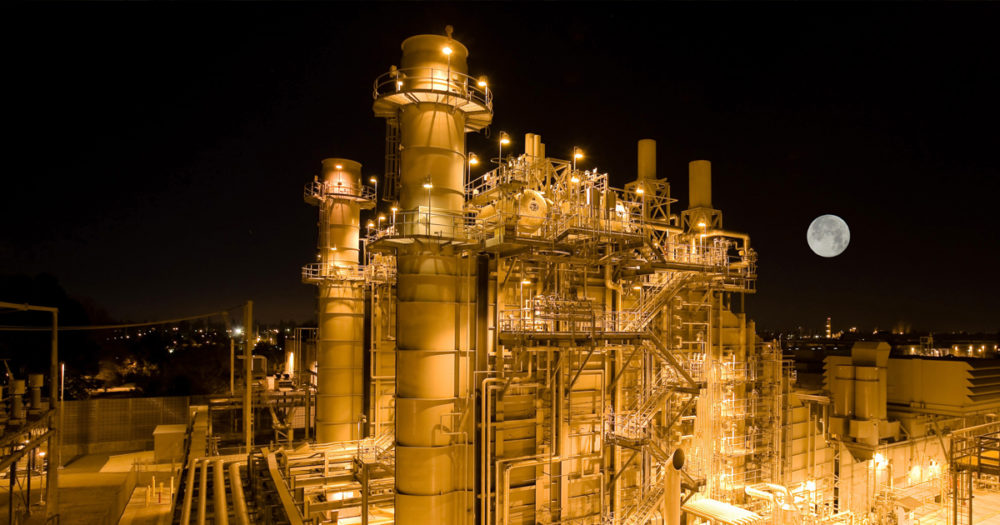
Nigeria is one of the foremost holders globally and in Africa with proven natural gas reserves of over 200 trillion cubic feet (TCF). These abundant reserves offer a significant opportunity for domestic gas utilization as a cleaner and more sustainable energy source. The potential inherent in Nigeria’s gas reserves is captivating and promising for the country’s energy transition.
In Nigeria’s energy sector, natural gas holds a pivotal position – being the most abundant fossil fuel resource with noteworthy economic and environmental advantages. Its versatile applications include electricity generation, industrial processes, and serving as a cleaner substitute for other fossil fuels. Additionally, natural gas utilization contributes to the reduction of greenhouse gas emissions and is consistent with sustainable development goals.
Nigeria’s current power generation capacity, mainly from hydro and gas-fired thermal power plants, is pegged at approximately 13,000 megawatts (hydro producing 2,062 MW and gas-fired power plant producing 11,972MW). Ideally, to meet increasing demand, a minimum of 40,000 megawatts is recommended to guarantee continuous and stable power generation in Nigeria. This indicates that Nigeria is presently experiencing a shortfall of approximately 27,000 megawatts.
Natural gas can enhance electricity generation in Nigeria through various means. Firstly, it can serve as a fuel for power plants, undergoing combustion to produce steam that drives turbines, ultimately generating electricity; this method is thermal power generation. Given Nigeria’s ample natural gas reserves, employing it for power generation proves beneficial in meeting the escalating demand for electricity in the nation. Moreover, natural gas power plants exhibit higher efficiency and emit fewer greenhouse gases compared to their coal or oil-fired counterparts. This positions natural gas as a cleaner and more environmentally friendly alternative. Additionally, relying on natural gas as a domestic energy source diminishes dependence on imported fuels, fostering greater self-sufficiency and economic stability for Nigeria. This presents a mutually advantageous scenario.
Nigeria has several other notable gas power plants aside from the Afam Power Plant. Others include;
1. Egbin Power Plant: Located in Lagos State, Egbin Power Plant is the largest gas-fired power plant in Nigeria and one of the largest in Africa. It has an installed capacity of 1,320 MW and plays a crucial role in meeting the electricity demand of Lagos and its surrounding areas.
2. Geregu Power Plant: Situated in Kogi State, Geregu Power Plant has a total installed capacity of 434 MW. It is a combined-cycle power plant that utilizes natural gas to generate electricity efficiently.
3. Omotosho Power Plant: Located in Ondo State, Omotosho Power Plant has an installed capacity of 335 MW. It is a gas-fired power plant that contributes to the electricity supply in the southwestern region of Nigeria.
While these examples offer a glimpse, numerous gas power plants scattered across Nigeria contribute significantly to fulfilling the country’s energy requirements. Acknowledging the use of natural gas for electricity generation is praiseworthy; however, the engagement of more investors is crucial to further expand power generation.
Nigeria can attract investors to build gas-powered plants by creating a favorable investment climate. Achieving this involves implementing policies and incentives that foster private sector engagement, including tax incentives, simplified regulations, and assurances on returns. The government can further extend support through infrastructure development, ensuring a dependable gas supply and transmission infrastructure. Instilling transparency and stability in the energy sector is paramount to instill confidence among investors. Additionally, showcasing the potential of Nigeria’s natural gas resources and emphasizing the advantages of investing in gas-powered plants can draw interest from both domestic and international investors. The key lies in creating optimal conditions to facilitate the inflow of investments.

 Strategic Decisions (What’s the difference)