
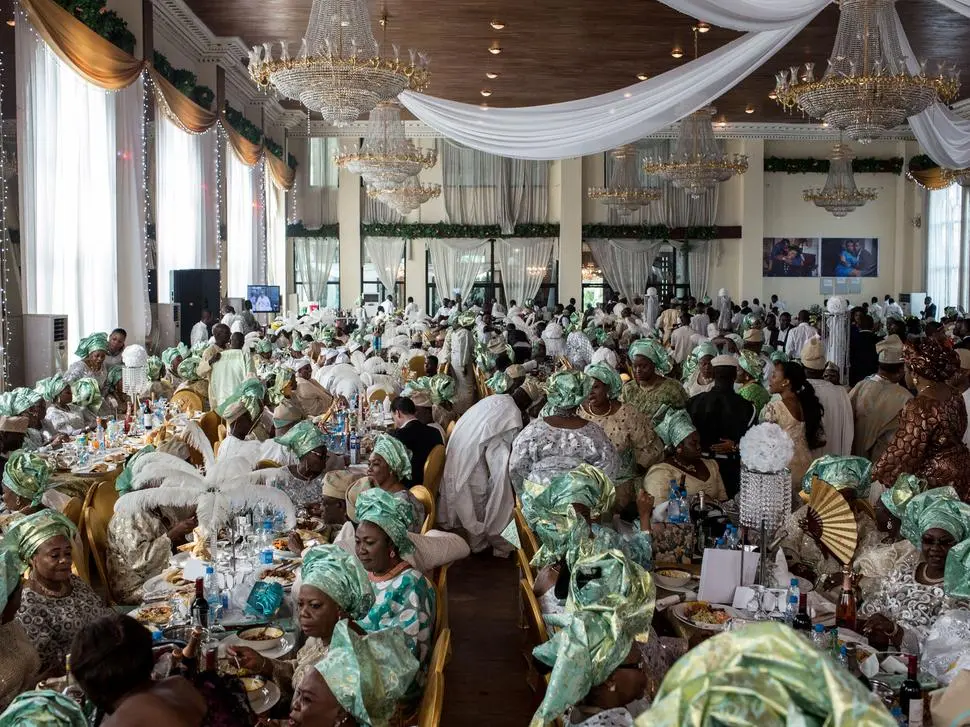
Nigeria is often termed as the hub of poverty. We are ranked at the echelon in the unemployed matrix. We have been negatively assessed as a country with bad facilities. However, amidst these realities, Nigerians are also very vocal and surprisingly so as to the importance of conducting this phenomenon called ‘Wedding”.
In its original state, a wedding is simply defined as “the state of being Married”. This definition has been eluded in every sense of the word by Nigerians as the wedding is characterized by its buoyancy and its prestigious ambience. Nigerian weddings are renowned for their grandeur, cultural richness, and festive atmosphere. However, the rising trend of extravagant and expensive weddings in Nigeria has sparked a debate on their societal impact. This essay seeks to explore the effects of expensive Nigerian weddings on the society at large. Is it Sensible or senseless? This would be discussed under the following heading;
- Cultural Dynamics
Nigeria, with its diverse ethnic groups, boasts a rich tapestry of traditions and customs. Weddings serve as a significant cultural event, reflecting the uniqueness of each ethnic group. While embracing tradition is essential, the growing emphasis on opulence in weddings can sometimes overshadow the cultural significance of the ceremonies. Nigerian expensive weddings may lead to an overemphasis on materialistic displays rather than the cultural and spiritual aspects that should be at the core of these celebrations. Most often and not, the cultural dynamic is often disregarded whilst the main emphasis is on how much resources can be taken from the couples by the organizers. Traditions should be more enlightening in these events but as it stands the tradition is a minute percentage of the event.
- Societal Expectations:
The pressure to have an extravagant wedding in Nigeria has become a societal norm, fueled by factors such as social media, celebrity influence, and the desire for social status. Couples often feel compelled to conform to these expectations, sometimes at the expense of their financial well-being. This societal pressure can contribute to a cycle of overspending, with families going to great lengths to meet or exceed the expectations set by others. As a result, the focus on the marriage itself may be overshadowed by the desire to impress and outshine others.
- Economic Realities:
The economic implications of expensive Nigerian weddings are significant. Families often invest substantial amounts of money in these celebrations, from elaborate decorations and designer outfits to luxurious venues and catering. The financial strain of such events can lead to long-term consequences, including debt and financial instability for the newlyweds and their families. The pressure to meet societal expectations may push individuals to allocate resources to the wedding at the expense of more practical and sustainable investments, such as education, housing, or starting a business.
In effect couples tend to cut their coat according to imaginations and not their size which might adversely affect their honeymoon plans, business plans and cause a huge constraint on their economic well-being.
In summary, while Nigerian weddings are a celebration of love, unity, and cultural diversity, the trend of expensive weddings has multifaceted effects on society. Striking a balance between cultural richness and financial responsibility is crucial to ensuring that weddings remain meaningful without succumbing to societal pressures. Encouraging a shift towards more modest celebrations that prioritize the essence of the union over extravagant displays can contribute to a healthier societal approach to marriage, fostering financial stability and cultural authenticity.

 Conflict- A necessary evil