
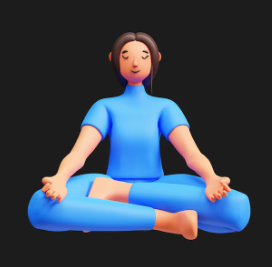
The significance of incorporating elements that induce relaxation into our lives cannot be overstated. In the hustle and bustle of modern life, where demands and stressors seem to be ever-present, having a source of relaxation becomes not just a luxury but a crucial aspect of maintaining overall well-being.
In the relentless pursuit of success and productivity, individuals often neglect the importance of relaxation. Yet, it is during moments of repose that our bodies and minds regenerate, allowing us to navigate life’s challenges with renewed energy and clarity. Whether it’s a quiet moment of meditation, a leisurely stroll in nature, or indulging in a favorite hobby, these activities contribute to a balanced and resilient mental state.
Physiologically, relaxation has a profound impact on our bodies. Chronic stress, if left unchecked, can lead to a range of health issues, including cardiovascular problems, weakened immune function, and mental health disorders. Incorporating relaxation into our routine acts as a countermeasure, helping to mitigate the harmful effects of stress and promoting a healthier overall lifestyle.
On a cognitive level, relaxation fosters improved focus and creativity. When the mind is constantly engaged in high-stakes tasks, it can become fatigued and less efficient. Taking breaks and engaging in activities that bring joy and tranquility provide the mind with the necessary respite to function optimally. It’s akin to giving the mind the space it needs to breathe, fostering a more vibrant and imaginative thought process.
Moreover, the emotional benefits of relaxation are undeniable. In a world filled with uncertainties and challenges, having a reliable source of comfort and relaxation becomes a sanctuary for emotional well-being. Whether it’s spending quality time with loved ones, enjoying a soothing bath, or listening to calming music, these activities help alleviate stress, reduce anxiety, and contribute to an enhanced emotional equilibrium.
Socially, the importance of relaxation extends to the quality of our relationships. When individuals are perpetually stressed, it can strain interpersonal connections. Taking the time to relax and recharge not only benefits one’s own mental state but also enhances the capacity to connect with others on a deeper level. Shared moments of relaxation can strengthen bonds and create lasting memories, fostering a sense of community and support.
In the grand tapestry of life, relaxation is the thread that weaves together moments of serenity and balance. It is the antidote to the frenetic pace of the modern world, offering a refuge where individuals can recalibrate and find solace. As we navigate the complexities of our daily lives, integrating relaxation into our routines becomes not just a choice but a necessity—one that nurtures physical health, bolsters mental acuity, enriches emotional experiences, and fortifies the fabric of our social connections.
In conclusion, the importance of having elements that induce relaxation cannot be overstated. In a world that often glorifies constant activity and achievement, recognising the value of repose is essential for fostering a holistic and resilient approach to life. Prioritising relaxation is not a frivolous indulgence; it is an investment in our physical health, mental well-being, emotional balance, and the strength of our social connections.
#MMBA5

 Life with LBS MBA, sneak peek of a typical day.