
“An organization’s financial statement is their ethical statement. This is because what an organization spends their money on defines what’s important to them.” ― Kat Lahr
One of the foundational aspects of business education is the training of business managers in the basics of financial statements. This is to amongst other things, imprint on them the importance of understanding, analyzing, and interpreting the financial statements of any business or company. However you look at it, for the sustainability of any business, the managers must be able to clearly state how it makes and spends its resources – The Income statement.
The Income Statement
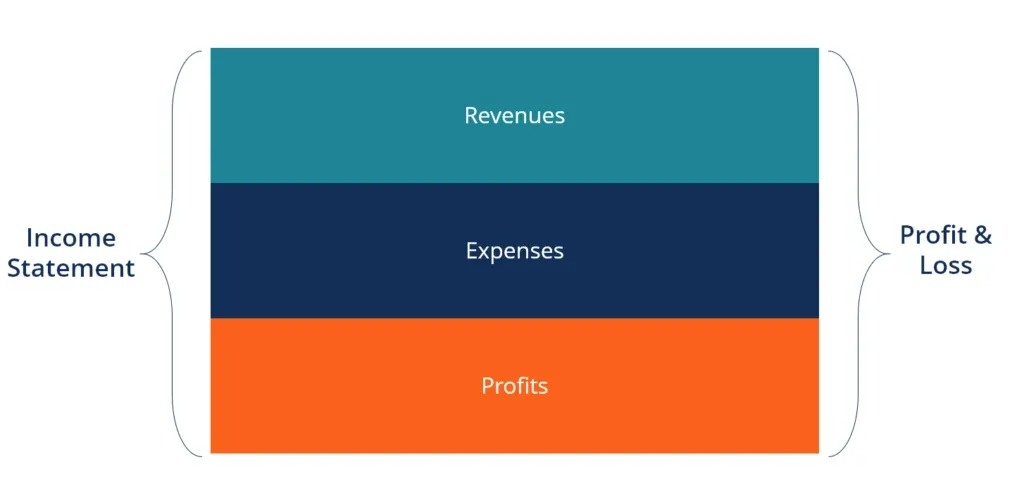
The income statement, also known as a profit and loss statement or statement of profit and loss is a financial statement that summarises a company’s revenues, expenses, and profits (or losses) over a specific period. It is one of the critical financial statements businesses use to assess their financial performance. It shows the revenues earned and expenses incurred by the company during a period of operations. It also provides details of those transactions that resulted in an increase or decrease in owners’ equity.
There are two main accounts in the income statement namely the revenue account and the expense account.
Revenue
Revenue results from the company’s sales of products or services, and may, all things being equal, result in increases in owners’ equity. An increase in owners’ equity must increase net assets (A – L), and the reverse is also true. Summarily, this account includes the company’s total sales or revenue for the specified period including but not limited to any other sources of income such as interests, royalties, or dividends.
Cost and Expenses
The goods that a company sells or the services it provides, all things being equal, always cost the selling company something. For instance, if a company ordered merchandise from suppliers and the company paid (or agreed to pay) an amount that we will call cost. This account lists all the costs and expenses incurred by the company during the specified period. Common expenses include the cost of goods sold (COGS), operating expenses like rent, salaries, and utilities, interest expenses, income tax expenses, depreciation and any other costs specific to the business.
The cost of goods sold is usually reported as a separate item on an income statement—separate from the other expenses of doing business because the derived gross margin is an important measure of management’s ability to obtain an adequate price for the merchandise or services it sells.
Net Income (Profit): Net income is the bottom line and represents the company’s profit (or loss) for the period. It is calculated as total revenue minus total expenses. With due regard to any unusual items, a positive net income indicates a profit, while a negative net income indicates a loss. This is the amount that flows into retained earnings on the balance sheet, after deductions for any dividends.
The income statement helps stakeholders including investors, creditors and management to understand the company’s financial performance over a specific time frame. It is an essential tool for assessing profitability and making informed financial decisions.
#MEMBA12
