
In preparing for the CFA exam, as a medical doctor who has no prior experience in accounting, I had to do extra reading, consultations with my classmates who had sound accounting background.
I am especially grateful for my group members who made sure to carry everyone along. The tutorials, meetings and questions were times of great knowledge dissemination.
I also looked at past questions and found something really interesting. The question pattern was something to help guide my reading.
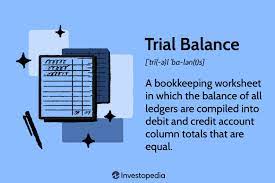
Seeing that trial balance was an important question, I had to also pay attention to balancing it and making sure to study correct entry methods.
Balancing a trial balance involves ensuring that the total debits equal the total credits. A trial balance is a statement that lists all the general ledger accounts with their respective debit or credit balances. Here are tips to making sure you can balance a trial balance:
- Prepare the trial balance: List all the general ledger accounts and their balances in a trial balance format. Debit balances are typically listed in the left column, while credit balances are listed in the right column.
- Verify the accuracy of account balances: Review each account balance in the trial balance and ensure that it is accurate. Double-check that the debits and credits have been recorded correctly. If you find any errors, correct them before proceeding.
- Add up the debit and credit columns: Total the debit column and the credit column separately. These totals represent the total debits and total credits for all the accounts listed in the trial balance.
- Compare the debit and credit totals: Compare the total debits with the total credits. If they are equal, the trial balance is balanced. This means that the accounting equation (Assets = Liabilities + Equity) is in balance.
- Investigate and rectify any discrepancies: If the debit and credit totals do not match, there is an imbalance in the trial balance. Review each account balance and transaction to identify any errors or omissions. Common mistakes include posting entries to the wrong accounts, transposing numbers, or omitting transactions.
- Correct the errors: Once you identify the errors, make the necessary corrections. Adjust the account balances, journalize any required entries, and update the trial balance accordingly. Continue reviewing and correcting until the trial balance is balanced.
- Re-total and re-check: After making corrections, re-total the debit and credit columns and compare the totals again. Ensure that the debits and credits are now equal and the trial balance is in balance.
It’s important to note that balancing the trial balance doesn’t guarantee the absence of errors in the accounting records. It only confirms that the debits and credits have been posted correctly and that the balance sheet equation is satisfied. Additional steps, such as detailed account reconciliation and financial statement preparation, are necessary to ensure the accuracy of the financial records.
To do the above properly, we also need to know what types of accounts to debit and credit. This helps our balancing of the trial balance.
In accounting, there are different types of accounts that are classified as either credit or debit accounts. Here’s a brief explanation of each:
Debit accounts: Debit accounts are those that are increased by debits and decreased by credits. They typically include assets, expenses, and dividends.
Credit accounts: Credit accounts are those that are increased by credits and decreased by debits. They typically include liabilities, revenues, and equity accounts.
It’s important to note that the classification of an account as a debit or credit account depends on the account’s normal balance and how it is affected by various transactions. Additionally, the double-entry accounting system ensures that every transaction affects at least two accounts, with one account debited and another account credited. The principles of debits and credits form the foundation of recording transactions and maintaining accurate financial records in accounting.


