
The fundamental accounting concepts, also known as accounting principles or conventions, provide the underlying framework for recording, measuring, and reporting financial information in a consistent and meaningful manner. These concepts are widely accepted and followed in the field of accounting to ensure the accuracy, reliability, and comparability of financial statements. In this blogpost, we will discuss some of the key fundamental accounting concepts:
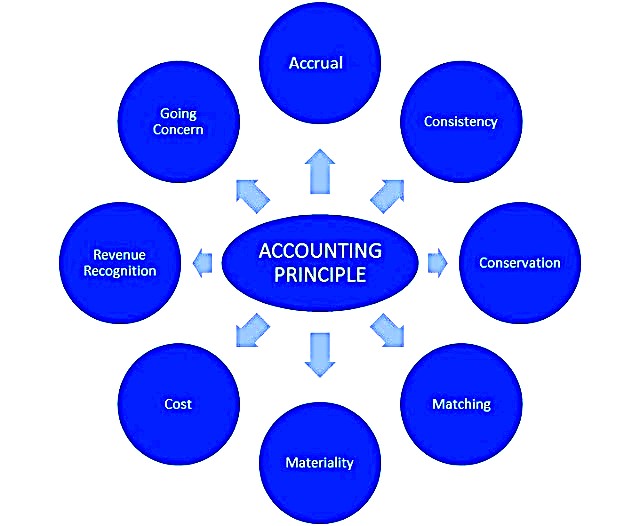
Accrual Concept:
The accrual concept states that transactions should be recorded in the accounting records when they occur, not when the cash is received or paid. In other words, revenues should be recognized when earned, and expenses should be recognized when incurred, regardless of when the associated cash flows happen. This concept ensures that financial statements reflect the true financial position and performance of a business.
Going Concern Concept:
The going concern concept assumes that a business will continue its operations in the foreseeable future, without the intention or necessity of liquidation. It implies that the business will be able to meet its obligations and commitments and will continue to operate without significant interruptions. This concept is important because it allows the preparation of financial statements under the assumption that the company will continue its operations, and assets and liabilities are valued accordingly.
Materiality Concept:
The materiality concept states that financial information should be presented and disclosed in a manner that focuses on significant or material items. Materiality is determined by assessing whether the omission or misstatement of information could influence the decisions of financial statement users. In practice, it means that only transactions, events, or information that are significant enough to impact the evaluation and decision-making process of users need to be disclosed in the financial statements.
Consistency Concept:
The consistency concept requires that once an accounting method or principle is chosen, it should be consistently applied over time, unless there is a valid reason for a change. This ensures comparability and allows users to make meaningful comparisons between financial statements of different periods. If there is a change in accounting policies or methods, it should be properly disclosed in the financial statements.
Objectivity Concept:
The objectivity concept, also known as the verifiability or reliability concept, states that financial information should be based on objective evidence and verifiable data. It requires that accounting transactions and events should be supported by source documents, such as invoices, receipts, contracts, and other relevant records. By relying on objective evidence, financial information becomes more reliable, credible, and trustworthy.
Prudence Concept:
The prudence concept, also known as the conservatism concept, suggests that when faced with uncertainties or alternative accounting treatments, accountants should exercise caution and choose the option that is least likely to overstate assets or income. This concept promotes the recognition of potential losses and expenses as soon as they are probable, while requiring the confirmation of gains and revenues only when they are realized. The prudence concept helps to ensure a conservative approach to financial reporting and prevents the overstatement of a company’s financial position or performance.
Matching Concept:
The matching concept, also known as the matching principle, states that expenses should be recognized in the same period as the revenue they helped generate. According to this concept, the costs incurred to generate revenue should be matched against the revenue earned in the same accounting period. This ensures that financial statements accurately reflect the true profitability of a business during a specific period.
Realization Concept:
The realization concept, also referred to as the revenue recognition principle, determines when revenue should be recognized in the financial statements. According to this concept, revenue should be recognized when it is realized or realizable and earned.
These concepts form the foundation of accounting principles and practices, providing guidance on how financial information is recorded, presented, and interpreted to facilitate meaningful analysis and decision-making.

 Can I expect change by starring at my mirror?