
- Definition of accounting: This is the identification, recording, and communication of economic events of an organization to investors.
- Accounting Data is often used by:
Internal users: it’s often used for planning, evaluating, and controlling company operations. (Finance department, marketers, Human resources department)
External users: Most times use it for accessing prior performance and current financial position. (Investors, creditors etc.)
- Investor: An investor is someone who takes a decision to invest or not to invest and expect return on the investment, knowing the risk as well as the time bound of the business.
- Basic Elements of Financial Accounting
- ASSETS: This comprises of current and non-current assets.
- LIABILITIES: This comprises of current and non-current liabilities
- OWNERS EQUITY: This resource comes from the shareholders or owners that can be claimed.
- REVENUES: This is found in profit or loss account. It is repeated expenses that are needed for the smooth running of a business.
- EXPENSES: This is found in profit or loss account. It is the cost of running a business.it includes wages, factory leases etc. it consists of two main categories which are: operating expenses and non -operating expenses.
- Components of Financial statements:
- Profit or loss statement (during a period) P or L =R-E
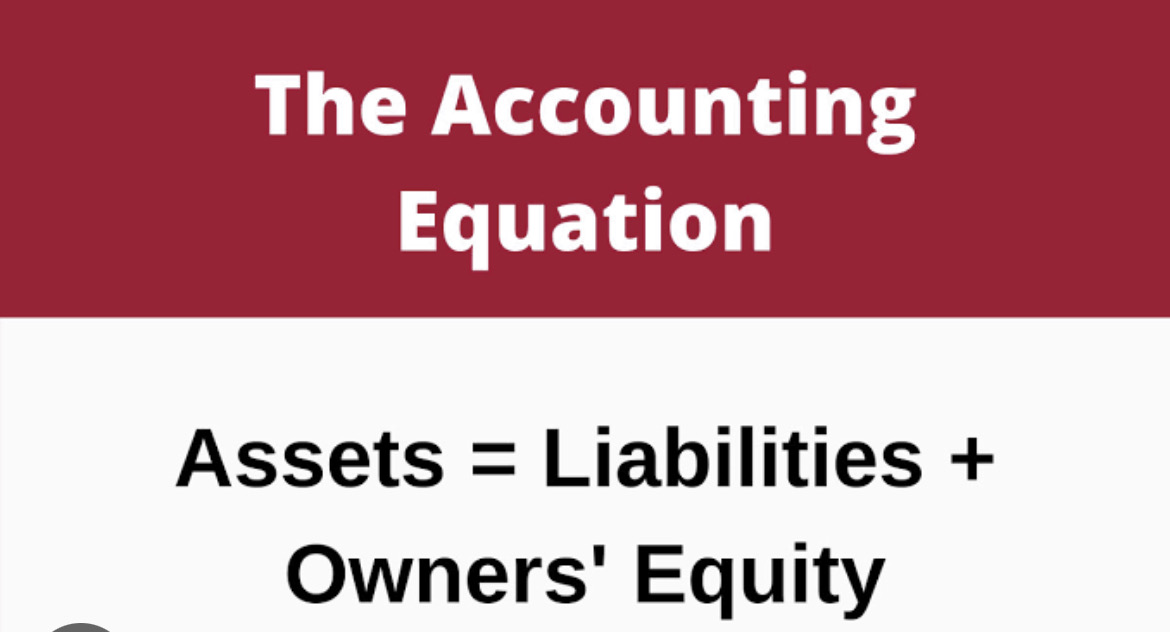
- Statement of financial position or Balance sheet (This is as at a date and the formular is A=L +OE (Fundamental accounting equation)
- Statement of cash flow (during a period)
- Statement of change in equity (during a period)
+ 1(Notes to the accounts)
- Fixed cost: This is a cost that doesn’t change. It is fixed such as rent.
- Corporate financial statement Analysis is divided into two:
- Synthesis: This is preparation / constructing of financial statement from the scratch
- Analysis: This is to interpret and analyze financial statement
- Financial statement Analysis is tearing apart the financial statements and looking at the relationships to enable us to make financial decisions. The users are Internal and External users.
- financial statement Analysis comprises of
- Horizontal Analysis: This is looking left and right one account at a time between two years. it requires using comparative financial statement to calculate dollar or percentage change in a financial statement item from one period to the next.
(Dollar change= current year figure – Base year figure).
(To calculate %change = dollar change/base year *100%)
- Vertical Analysis: This is for a single financial statement; each item is expressed as a percentage of a significant total. e.g. (all income statement items are expressed as a percentage of sales)
- common-size Statement.: This is a financial statement that shows only percentage and no absolute dollar amount.
- Trend Percentage: it shows changes over time in given financial statement items.
- Ratio Analysis: This is expression of logical relationships between items in a financial statement.
- Generally Accepted Accounting Principles (GAAP): This is the set of standards that are generally accepted and universally practiced. Standard setting bodies includes:
- Securities and Exchange commission (SEC)
- Financial Accounting Standard Board (FASB)
- International Accounting Standard Board (IASB)
- International Financial Reporting Standards (IFRS)

 CASH FLOW IN BUSINESS