
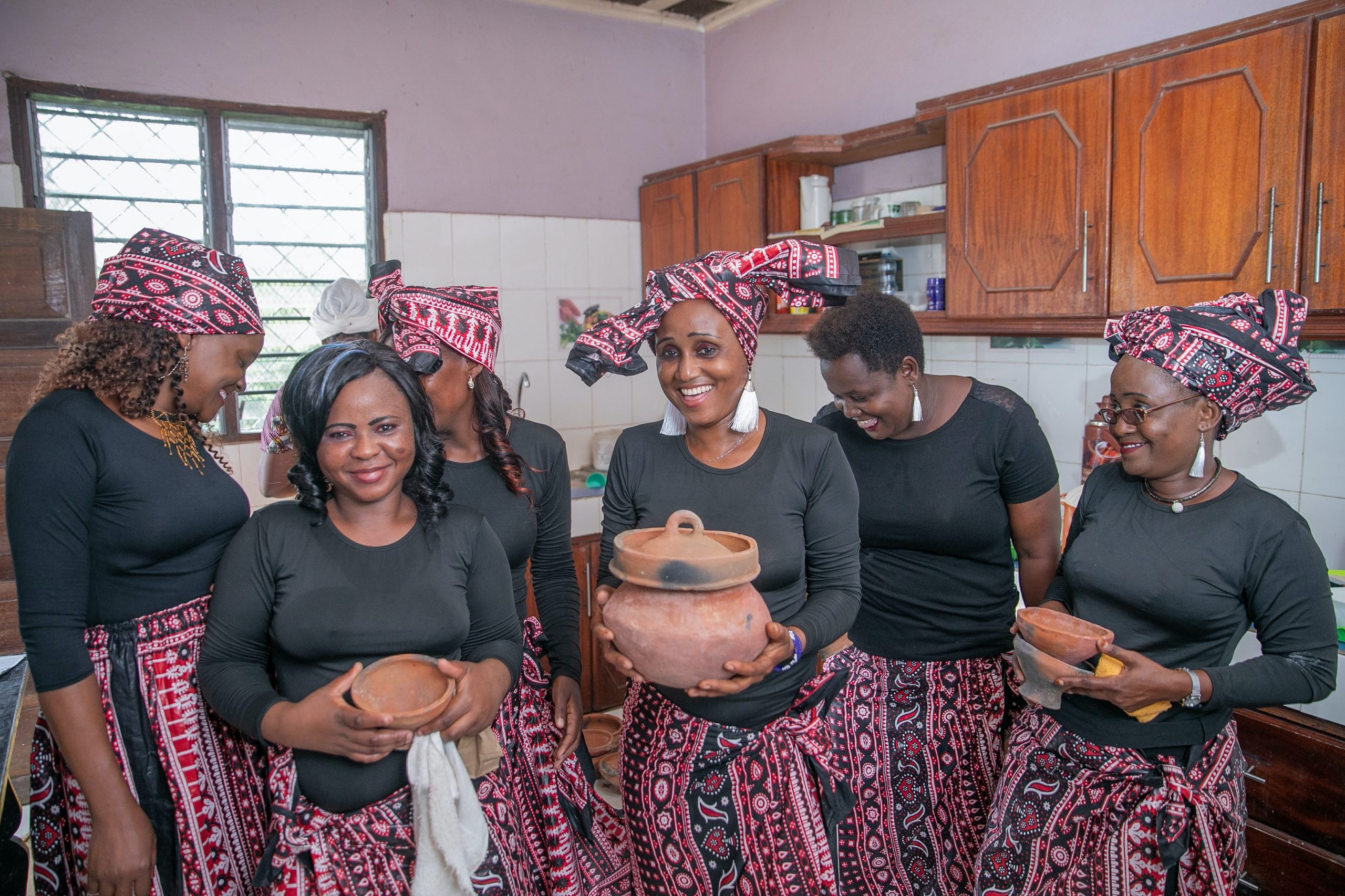
The world is experiencing the erosion of beautiful cultures due to the influence of Westernization within the continents and the adoption of foreign lifestyles and practices. Culture is described as the set of beliefs, customs, and even beliefs observed in a given geographic location or community.
Across the world, we can find striking resemblance among cultures despite being geographically distant from the place of origin. African cultures, though diverse, exhibits similar characteristics within different regions. In West Africa, similarities cuts across national borders, from the Cameroonian borders with Nigeria to the Futa Jalon hills in Guinea, notable groups are the Ewes with similar cultures with their neighbours in Togo, the Fanté has similar culture to the Yoruba tribe of Nigeria.
In East Africa, discussions on the similarity of culture of the Tanzanians and Kenyans fills the air, as well as the Somalis and the Middle Eastern dwellers. Meanwhile, in Northern Africa, a common language unites them, and there are cultural connections between the Egyptians and her Arab neighbours.
The colonization of the African Continent leaves a mixed feeling as the older generations recounts their experience of brutality and the peace enjoyed. However, they lament on the cultural decay that has eaten deeply into the society.
In time past, we saw the reverence given to the apogee of the oral traditions, the captivating moonlight plays and beautiful rhythms reverberating through the village squares under the silver beams from the majestic moon.
As individuals, we inherited a rich tapestry of African heritage and traditions, passed down from generation to another. Through these, we gain insights on our identity and learn how our ancestors survived and thrive amidst hostilities brought by the colonizers.
These perspectives guide our decision-making process as we gleam from the experiences and thoughtfully juxtaposed modern techniques to deliver a home-grown solution adapted to the African communities.
African cultures are not only beautiful, but also repositories of wisdom from the elders and of course serves as guides for the young people in their different maturity stages. The Igbo culture differs from Hausa, just as the Tiv differs from the Ewes of Ghana and the Zulus are different from the Bakassi people.
The food in an African society is an integral part of that community, as it tells a lot about their dietary pattern and also the nature of their occupation. I won’t forget about African celebrations especially the traditional marriages, so colourful and insightful, it’s filled with fanfare and loud sounds.
Equally significant are burial ceremonies, which vary across different regions in Africa, with each locale presenting unique customs and rituals to bid final farewells to the departed.
Africa is a land of joy and fascinations, and I invite you to embark on a journey to this magnificent continent, as you immerse yourself in its vast cultures and experience the unparallel hospitality from the land. Let the richness of the culture leave an indelible mark on your inner being.
#MMBA4

 TAKING THE LEAP; EMBRACING THE BENEFITS OF AN MBA