
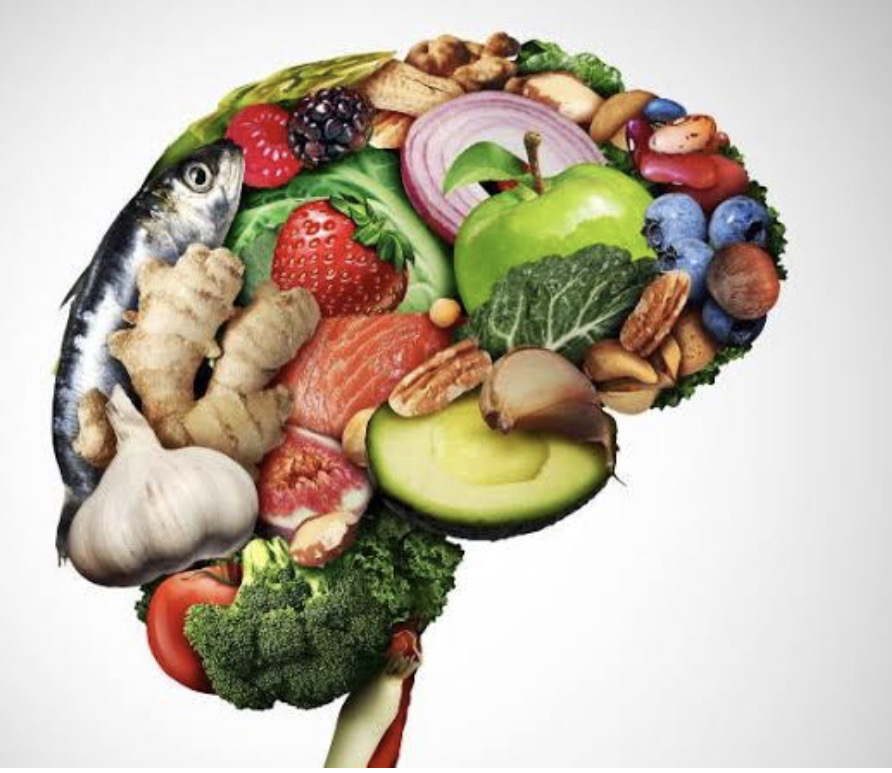
This is about healthy eating and its impact on our physical and emotional well-being. Often, we turn to food as a way of coping with stress, anxiety, or other emotions. However, this can lead to overeating, poor food choices, and ultimately, negative health outcomes.
When we eat to nourish our bodies, we focus on consuming nutrient-dense foods that provide our bodies with the essential vitamins, minerals, and nutrients needed to function optimally. These foods include fruits, vegetables, whole grains, lean proteins, and healthy fats. By consuming various foods, we can promote good health, reduce the risk of chronic diseases, and maintain a healthy weight.
On the other hand, when we eat to feed our emotions, we often turn to unhealthy, processed, or comfort foods that are high in calories, sugar, and fat. These foods may provide temporary relief or pleasure, but they can also lead to negative health outcomes such as obesity, heart disease, and diabetes.
One of the main reasons why we turn to food for emotional reasons is that it provides a sense of comfort or pleasure. When we eat certain foods, our brains release “feel-good” chemicals like dopamine, which can temporarily alleviate feelings of stress or anxiety. However, this is only a short-term solution and can lead to a cycle of emotional eating that is difficult to break.
To break this cycle, it’s important to identify the underlying emotions that are driving our food choices. Instead of turning to food as a way of coping with these emotions, we need to find healthy ways to manage them. This may include exercise, meditation, journaling, or talking to a therapist or trusted friend.
In addition to managing our emotions, there are practical steps we can take to eat to nourish our bodies. These include:
- Planning and preparing meals: By planning and preparing meals in advance, we can ensure that we have healthy options readily available. This can help reduce the temptation to turn to unhealthy foods when we are busy or stressed.
- Mindful eating: Mindful eating involves paying attention to our food and the sensations in our bodies while we eat. This can help us become more aware of our hunger and fullness cues, which can help us avoid overeating.
- Choosing nutrient-dense foods: Nutrient-dense foods are those that provide a high level of nutrients for relatively few calories. By choosing these foods, we can ensure that our bodies receive the essential nutrients needed to function optimally.
- Moderation: Moderation is key when it comes to healthy eating. It’s important to enjoy our favorite foods in moderation while also focusing on consuming nutrient-dense foods.
In conclusion, “eat to nourish your body, not to feed your emotions” is an important message that emphasizes the importance of healthy eating for both our physical and emotional well-being. By focusing on consuming nutrient-dense foods, managing our emotions, and practicing mindful eating, we can break the cycle of emotional eating and improve our overall health. Remember, healthy eating is not about deprivation or restriction, but rather about nourishing our bodies with the foods they need to function optimally.

 EMOTIONAL INTELLIGENCE