
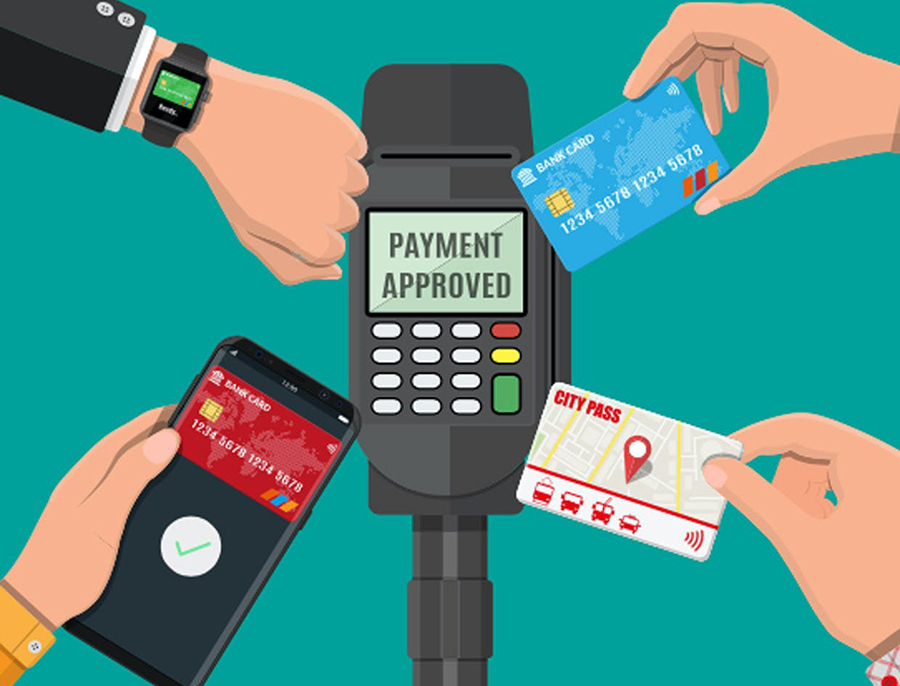
The Central Bank of Nigeria (CBN) introduced the cashless policy in 2012 as a means of promoting financial inclusion, reducing the cost of banking services, and reducing the risks associated with carrying large amounts of cash. The cashless policy is a system that aims to reduce the amount of physical cash in circulation and increase the use of electronic payment channels such as debit cards, mobile payments, and online banking. The policy has had several impacts on the Nigerian economy, which are discussed below.
The cashless policy has promoted financial inclusion in Nigeria. Prior to the policy’s introduction, many Nigerians did not have access to formal banking services, and those who did often faced high transaction fees and other barriers to entry. The cashless policy has made it easier for Nigerians to access banking services, particularly through mobile payments and other electronic payment channels. This has increased financial inclusion, which is a critical factor in reducing poverty and promoting economic growth.
The policy has reduced the cost of banking services in Nigeria. By reducing the amount of physical cash in circulation, the cost of handling and processing cash has decreased. This has allowed banks to offer lower transaction fees and other charges, making banking services more affordable and accessible for ordinary Nigerians. This, in turn, has encouraged more Nigerians to use formal banking services, which has further reduced the cost of banking.
The cashless policy has helped to reduce fraud and corruption in the Nigerian economy. By reducing the amount of physical cash in circulation, the opportunities for fraud and corruption have decreased. Electronic payment channels are more traceable, which makes it easier for law enforcement agencies to investigate and prosecute cases of fraud and corruption. This has led to increased confidence in the Nigerian financial system and has helped to improve the country’s reputation in the global business community.
The policy has helped to boost economic growth in Nigeria. By increasing financial inclusion and reducing the cost of banking services, the cashless policy has encouraged more Nigerians to participate in the formal economy. This has led to increased economic activity, more jobs, and higher incomes for many Nigerians. Moreover, the cashless policy has made it easier for businesses to transact with each other, which has led to increased trade and investment in Nigeria.
The cashless policy has had some negative impacts on the Nigerian economy. For example, some Nigerians have raised concerns about the security and reliability of electronic payment channels. There have been instances of fraud and hacking, which have led to losses for some Nigerians. Moreover, some Nigerians who rely on cash transactions have been negatively impacted by the policy, particularly those in rural areas who may not have access to electronic payment channels.
In conclusion, the cashless policy has had several impacts on the Nigerian economy, both positive and negative. Overall, the policy has helped to promote financial inclusion, reduce the cost of banking services, and boost economic growth in Nigeria. However, there are still challenges that need to be addressed, particularly in terms of security and the needs of those who rely on cash transactions. Nevertheless, the cashless policy remains an important part of Nigeria’s economic development strategy, and further improvements are likely to be made in the future. #EMBA28

 Feedback