
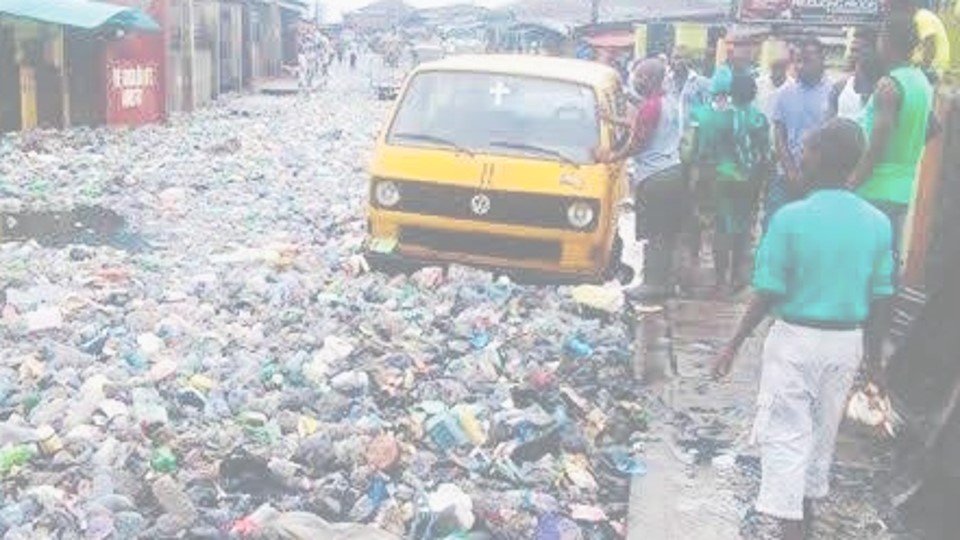
All odds and rankings are against Lagos on environment and standard of living. For instance, IQAir reports ranked Lagos as 133 world’s most polluted city, Nigeria Infopedia ranks it the third dirtiest city in Nigeria behind Onitsha and Aba while the Economist Intelligent Unit (EIU) ranked Lagos as the second-worst city to live among 172 cities worldwide with the environmental rating responsible for a good part of the 32.2% low score it got.
It is difficult to disprove the negative rankings, the state of Lagos’ roads and streets invalidates them. Lagos is a heavily defaced city with various kinds of waste ranging from foods, drinks, industrial, and animal wastes, urination and defecation in some places.
Lagosians dump their waste anywhere and anyhow they wish without any caution. Since Lagos is the commercial hub of Nigeria with many industrial activities that generate a lot of waste coupled with the urban density of the city, drastic measures need to be taken to save the face of Lagos.
Negative Effects of Dirty Environment
- Increased environmental pollution – the dirtier the environment the higher the organic degradation of wastes that takes place. Higher degradation contributes highly to environmental pollution and its attendant consequences. Such pollution can also contaminate the body of water leading to the death of aquatic animals. It can also contaminate the air.
- Health Effects – Dirty environments often breed more harmful bacteria that cause sicknesses such as respiratory diseases, cancer, and other infectious diseases and such an environment is not safe to live.
- Investment – dirty environment can often discourage investors since the state of the environment may be a consideration for investing in a community, especially for investment in food, health, medical and pharmaceutical-related businesses.
How to Make Lagos Clean
- Mindset changes – the responsibility to ensure a cleaner Lagos rests on all the residents of the city, it should not be seen as the sole responsibility of the government, we must all take responsibility for it. Taking responsibility means we all must change the way we see and use the environment.
- Public education and awareness – there is a need for a public-private partnership to sensitize the public on measures to keep the environment safe. People need to know the consequences of the dirty environment on all the citizens, understand the available policies, and the penalties for breaching such policies and align with the goal of a cleaner Lagos.
- Strong Environment Policies and Implementation – the government needs to aggressively implement existing policies and enact new ones to protect the environment. A strong measure needs to be put in place to penalize the breakers of such policies.
- Infrastructure – a public-private partnership to equip Lagos with adequate infrastructure to help with the proper disposal and treatment of waste.
- Creativity – There is a need for creative recycling and conversion of the waste to generate useful materials like biogas for the citizen among others.
Since the negative effects of a dirty environment and the positive results of a clean environment would be felt by all and sundry, a collective approach to making Lagos clean must be adopted. Cleaning up Lagos requires immediate attention and the job should begin now.
