
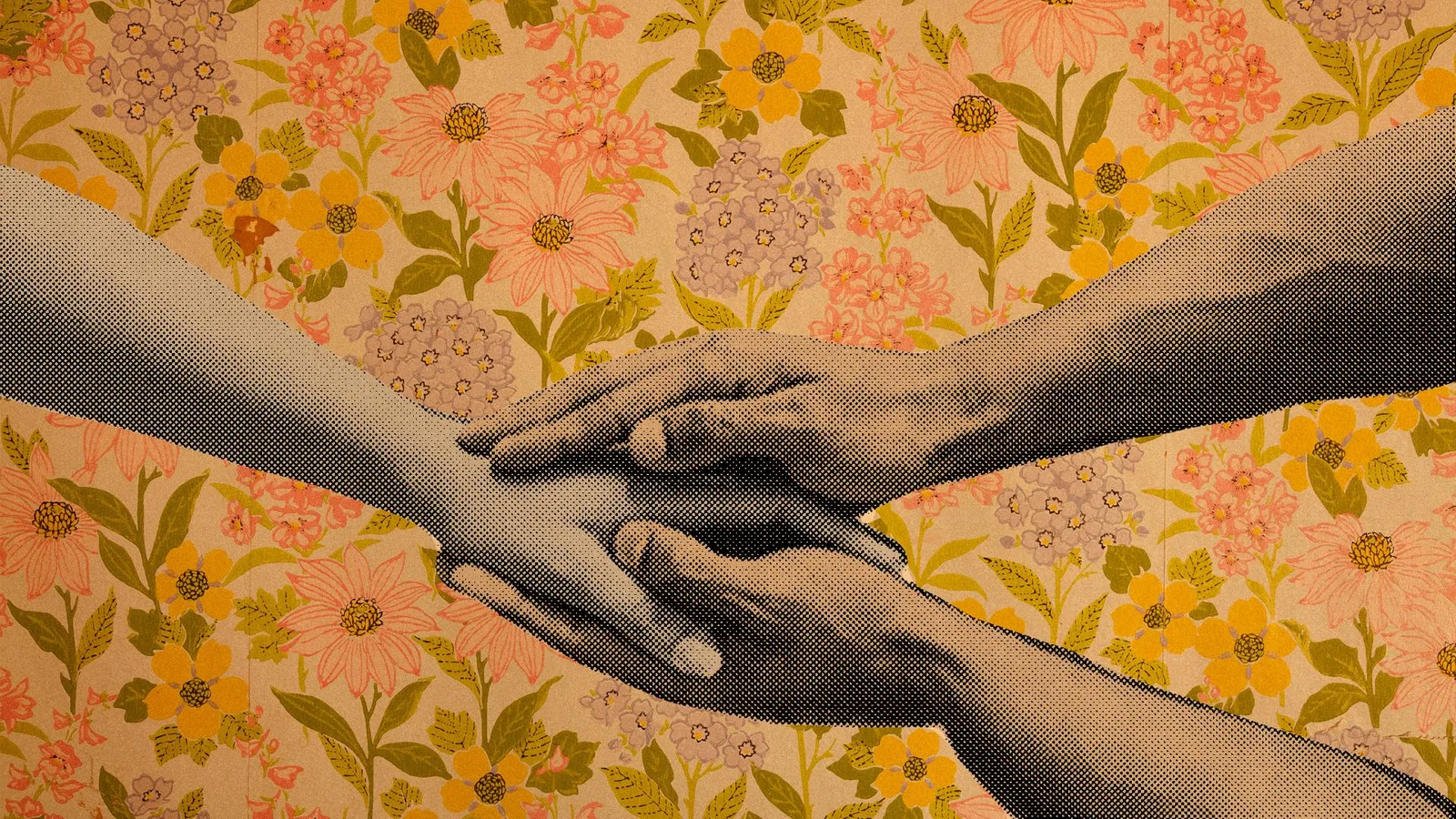
Forgiveness means diverse things to different people. Generally, however, it involves a decision to let go of bitterness and thoughts of vengeance. Letting go of bitterness and anger brings harmony and healing, especially in marriage. Ever notice how a sincere “I’m sorry” changes things for the better almost instantly in a healthy relationship? Holding grudges or resentments creates stress, strengthens anxiety, and can either cause or make depression worse. Forgiveness lets you love again; the moment you forgive, your heart is filled of love. You are tougher because you love yourself and love others, no matter the degree of their shortcomings or transgressions. You pardon because you love, and you love because you forgive.
Forgiveness is so difficult because it is a heavy burden; you have experienced hurt and pain that doesn’t feel fair. You want to unburden your pain, but have nowhere to put it, so you continue to endure the burden. Forgiveness doesn’t make sense. It’s irrational to forgive someone who has caused you great pain. You vindicate yourself by saying, “He should be forgiving me. He hurt me. Why should I need to forgive him? Forgiveness takes enormous courage; you need to make yourself susceptible when all you want to do is shield yourself. You fear being hurt again and again. You are no more in control when put yourself out there.
Let us go through the steps that leads to the path of forgiveness. The first step is to recognize the hurt. Who hurt you and why did they do it? What is the context of the situation, and how long ago did this happen? Start by acknowledging the root cause of your pain. Was it a failure, a missed opportunity, a heartbreak, a person who was mean to you, or someone who neglected you? Get to the root of your pain. The next step is to acknowledge your hurtful emotion; what are you feeling? Is it sadness, grief, anger, pity, or loneliness? Or is it something deeper like depression, disgust, hate or jealousy? The hurt may strike more than one chord on your heart strings, but in order to get rid of the hurt, you need to recognize your feelings towards it. Ponder how the pain and hurt has affected you. How damaging was the person’s mistake to your life or someone else’s ? The word “consider” is key here because it involves thinking before making a decision. Before you decide on whether you will forgive this person, consider the negative feelings you’ve acquired since the incident.
Another step is to forgive yourself and let go all the pain, hurt and anger. Forgiveness starts from within. You were not the reason the someone cause you pain the first place. You are not responsible for it. You need to forgive yourself, let go of the pain first before you can have the capability to forgive others. Only then are you able to let go of the negative emotions associated with the hurt caused by someone else. Admit that you cannot change the past; no matter how much you wish this pain could go away or be reversed, it’s time to acknowledge to yourself that your annoyance toward the person won’t redeem what they have done. It is during this step that you must thoughtfully consider whether or not you want to forgive.
Forgiveness is a journey. Ever wonder why you keep pardoning the same thing or person repeatedly? Its maybe you really have not understood what you really need to forgive. What are your losses? How did the losses disturb your life? Each time we lose something, it changes who we are. Our identity is different. Each loss creates a new road to forgiveness. When you are now sure of what or who you need to forgive, the road becomes plainer for you to see.. Each loss plays a fundamental role of being alive and to evade loss is to avoid being alive.
##EMBA 28
