
By Ikenna Uzoechi
Accounting can simply be defined as the recording of the financial transactions of any entity. Simple accounting can be traced back to early Romans, Egyptians and Babylonians who kept a detailed record of their financial dealings, In Modern history, Luca Pacioli, who in 1494 in his Summa de Arithmetica, Geometria, Proportioni et Proportionalita, first described the system of double-entry bookkeeping adopted by Venetian merchants. While he was not the inventor of accounting, Pacioli was the first to describe the system of debits and credits in journals and ledgers that is still the basis of today’s accounting systems which has now metamorphosed into corporate financial accounting.
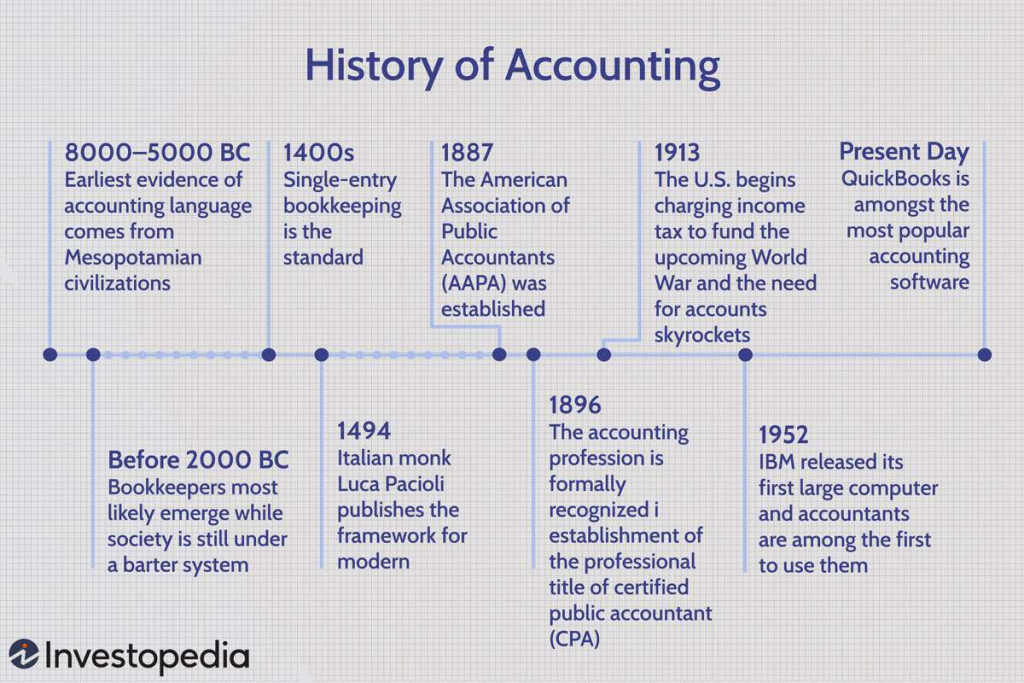
Fig 1.0 Financial Accounting: The evolution of the accounting process
Corporate finance accounting refers to the process of managing and recording financial transactions and activities within an organization. This includes budgeting, forecasting, financial analysis, financial reporting, and risk management. For any organization to succeed, it has to understand the correct state of it’s finances. In essence, Accounting is the backbone of any successful business operation, providing a clear picture of the financial health of the organization and enabling informed decision-making.

Fig 1.1 An example of the world’s first accounting record, found in Mesopotamia
In this blog post, we will explore some of the key uses of corporate finance accounting and the benefits it can bring to an organization.
- Budgeting and forecasting: Corporate finance accounting plays a critical role in budgeting and forecasting, providing insights into revenue and expenditure patterns, cash flow, and potential risks. By analyzing financial data and projecting future trends, corporate finance professionals can help organizations make informed decisions about resource allocation and identify opportunities for growth.
- Financial analysis: Corporate finance accounting also involves analyzing financial data to identify trends, patterns, and potential risks. This can include analyzing financial statements, conducting ratio analysis, and assessing the financial health of the organization. By doing so, corporate finance professionals can help identify areas for improvement and suggest strategies for maximizing profitability and minimizing risk.
- Financial reporting: Accurate and timely financial reporting is essential for any organization. Corporate finance accounting provides the foundation for financial reporting, ensuring that financial data is collected, analyzed, and reported in accordance with accounting standards and regulations. This enables stakeholders, such as investors, creditors, and regulators, to make informed decisions about the organization.
- Risk management: Corporate finance accounting plays a key role in risk management by providing insights into potential risks and developing strategies to mitigate them. This can include analyzing financial data to identify areas of potential financial exposure, developing risk management policies and procedures, and implementing internal controls to manage risk.
- Capital budgeting: Corporate finance accounting also plays a critical role in capital budgeting, which involves evaluating potential investments and determining their viability. This can include assessing the financial impact of a new project, estimating the expected returns, and analyzing the risks and potential rewards. By doing so, corporate finance professionals can help organizations make informed decisions about how to allocate capital and invest in growth opportunities.
- Investor relations: Corporate finance accounting is also important for maintaining positive relationships with investors. This can involve providing timely and accurate financial information, conducting investor meetings and presentations, and communicating financial performance and strategy. By doing so, corporate finance professionals can help build investor confidence and attract new investment.
- Tax management: Corporate finance accounting also plays a critical role in managing tax liabilities. This can involve developing tax strategies to minimize the organization’s tax exposure, ensuring compliance with tax regulations, and preparing tax returns. By doing so, corporate finance professionals can help reduce the organization’s tax burden and ensure compliance with tax laws.
In conclusion, corporate finance accounting is a critical function that provides the foundation for sound financial management and decision-making. By analyzing financial data, forecasting future trends, and developing strategies to manage risk and capitalize on growth opportunities, corporate finance professionals can help organizations achieve their financial goals and build sustainable long-term success. Whether it’s budgeting and forecasting, financial analysis, financial reporting, risk management, capital budgeting, investor relations, or tax management, corporate finance accounting is essential for any organization that wants to thrive in today’s competitive business environment.
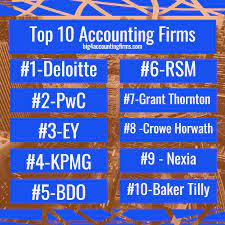
Fig 1.3 Top 10 accounting firms in the world.

 Understanding Financial statements in Accounting