
Last week I had taken you on a mini tour of West African countries you could explore for your next vacation. Have you planned yet? Let us have a side chat if you would like to know more about the countries I recommended.
My focus now is to draw your attention to some African fruits that you may not have come across. You would find some of them when you explore the hidden treasures of West Africa and others, you would need to visit northern, eastern or southern Africa.
Enjoy the read and make sure you share your thoughts and experience with me once you have tried any or all of these fruits.
The Tamarind
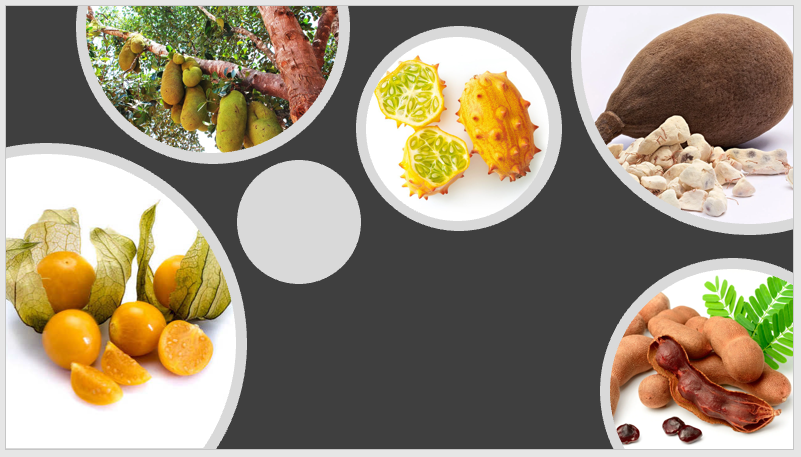
The fruit is known by a variety of names, including African or Black velvet tamarind, Yoyi, Veludo, Icheku, and Tsamiya. It is a seasonal fruit with a black velvet shell and edible, sticky orange content that is famed for its sweet-sour taste. The fruit is native to West Africa and may be found as far north as Sudan in North Africa. It may be eaten raw or steeped in water to produce tamarind juice, a well-liked African beverage, and is widely used to season food.
The fruit is a great source of nutrients and has several health advantages. It is rich in vitamins C, A, B1, B2, and B3 and helps to strengthen the immune system against illnesses. It contains minerals including calcium, potassium, and iron. The African tamarind fruit is low in calories and high in fibre, both of which encourage regular bowel movements and prevents constipation. It also contains natural laxative characteristics that can ease constipation, encourage feelings of fullness, and lower caloric intake, making it beneficial for healthy weight control.
African Baobab
Another name for it is “queen of super fruits.” It is a sizable fruit with an egg-like form that contains dried and hardened pulp. The baobab tree is enormous and hardy, with many uses for its leaves, roots, bark, and fruits, which are also consumed for their health benefits.
It is one of the biggest natural sources of vitamin C. The Baobab fruit powder provides up to 300-500 milligrams of vitamin C per one hundred grams, which is six times more than what is present in an orange. It is abundant in antioxidants like polyphenols and flavonoids, which can help shield the body from free radicals that can harm cells and play a part in the development of chronic illnesses. The fruit has a low glycemic index, which means it distributes glucose into the circulation gradually. This helps persons with diabetes or those trying to manage their blood sugar levels to manage their blood sugar levels.
Surprisingly, the only fruit in the world that naturally dries while still on the branch is the African baobab. Senegal, Sudan, South Africa, the Central African Republic, Sudan, Ethiopia, Mali, and the majority of African nations are home to it. This fruit tastes lemony and has a gritty feel. It can be eaten raw, added to meals as a spice, or drank as a beverage.
The African Breadfruit
It is big, rounded, and has a greenish colour. The fruit’s edible components, the seeds, become voluminous and spongy when it is mature. Among other places in Africa, it is present in Tanzania, Zambia, Uganda, Malawi, Senegal, Mozambique, Congo, and Gabon. The seeds are packed in nutrients and can be consumed as a meal, turned into porridge, flour, or used to flavour alcoholic beverages. For a snack, they can be dried and roasted. The term “breadfruit” comes from the distinctive and starchy flavour of the African breadfruit, which is reminiscent of freshly made bread and laced with a delicate sweetness.
Like other fruits discussed above, the African Breadfruit is a reliable source of vitamins, minerals, and antioxidants. It is rich in vitamin C, vitamin B-complex, potassium, magnesium, and fibre, among others. It helps to control blood sugar levels, hence great for people with diabetes and promotes cardiovascular health which can help to reduce cholesterol levels and lower the risk of heart disease.
Cape Gooseberry
Also known as Physalis, it is a small orange fruit that is native to South Africa. It has a slightly sweet and tart flavour and is often used in desserts, jams, and sauces.
The Cape gooseberry is especially high in niacin, iron, vitamin C, and vitamin A. It supports healthy skin since it is a high source of antioxidants including beta-carotene, which works to shield the skin from pollution and UV ray damage. It has anti-aging ingredients. Similar to its fruit brethren, it may support intestinal regularity, avoid constipation, and control blood sugar levels. Additionally, it includes prebiotic substances that may aid in feeding healthy gut bacteria and fostering a balanced gut microbiota.
Kiwano
The fruit known as the Kiwano, commonly referred to as the African horned cucumber, is indigenous to Sub-Saharan Africa. It has a distinctive spiky, orange-yellow surface and a supple, seed-filled inside. Banana, cucumber, and lime are regarded as the flavour’s primary components. The fruit known as kiwano is high in nutrients and low in calories. It is a useful source of potassium, fibre, vitamin C, and vitamin A.
Kiwano fruit is often consumed raw or added to salads, drinks, and smoothies. Jams, jellies, and sauces all employ the gelatinous pulp as an ingredient. Kiwano fruit is employed in traditional African medicine in addition to its culinary applications due to its health advantages.

 Build it to last