
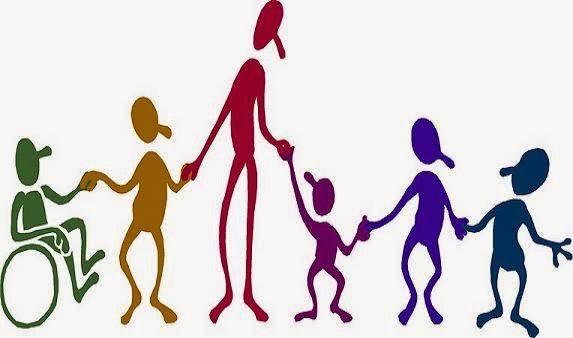
Social values are the guiding principles that shape our behavior and interactions with others. They define what is acceptable conduct in society and contribute to building a cohesive and harmonious community. When we uphold social values like kindness, honesty, respect, and compassion, it promotes a positive and inclusive environment that leads to greater satisfaction, engagement, and overall success.
Kindness, in particular, is of utmost importance in today’s society. It is a demonstration of caring and consideration for others that fosters greater trust, satisfaction, and unity. In this article, we will explore the importance of kindness as a social value, discuss some examples of how it can be practiced, and provide an overview of its benefits.
The Importance of Kindness
Kindness is a fundamental human value that is essential for creating a positive and supportive society. It encompasses actions like being empathetic, understanding, respectful, compassionate, and helpful towards others. By practicing kindness, we create a culture of caring that celebrates the worth and dignity of every individual. Kindness can also help to bridge differences and overcome barriers that may exist between people from different backgrounds, cultures, and beliefs.
Examples of Kindness
Kindness does not have a single definition or expression, and it can show up in many forms. Here are some examples of how kindness can be practiced in everyday life:
- Showing Empathy
When someone shares their struggles, we can practice kindness by listening and offering empathy. We can attempt to imagine ourselves in their situation and validate their emotions, demonstrating that we care about how they feel.
- Offering Help
Asking someone if they need assistance, whether it is carrying heavy groceries, helping with a work task or lifting a struggling person from a difficult situation, can be a simple yet powerful expression of kindness.
- Ignite Positive Energy
We can practice kindness by spreading positivity and uplifting others in a seemingly negative or challenging environment. Offering a sincere compliment or upholding observations can ignite positive energy to impact the person’s day positively.
- Being Courteous
Engaging in simple courtesies like holding the door open for someone, saying thank you, or acknowledging others’ contributions can be a straightforward yet effective way to demonstrate kindness.
The Benefits of Kindness
Kindness has numerous benefits, both for the person receiving kindness and the person practicing it. Here are some of the ways practicing kindness can impact society:
- Strengthening Social Bonds
Practicing kindness helps to build trust, respect, and positive relationships with others. These positive social bonds can contribute to happier, healthier, and more fulfilling lives.
- Improving Mental Health
Kindness has been linked to improved mental health outcomes like greater life satisfaction, reduced anxiety, and increased self-esteem. This is because acts of kindness can release feel-good hormones like oxytocin, which enhances social bonding and reduces stress.
- Fostering Positive Work Environments
Kindness can contribute to a supportive and inclusive work environment by promoting trust, collaboration, and positive communication. These factors, in turn, can lead to greater job satisfaction and engagement, resulting in better overall productivity.
- Reducing Inequality
Kindness can help to reduce inequality by promoting a culture of inclusion and equity. Through kindness, individuals can seek to understand and empathize with others, even when they come from different backgrounds or have different experiences.
- Enhancing Professional and Personal Success
Practicing kindness can help individuals build a positive reputation, leading to greater opportunities for professional and personal success. By demonstrating kindness, individuals can establish positive relationships with others, opening doors to new opportunities for growth and development.
Conclusion
Kindness is an essential social value that promotes positive relationships, reduces stress, promotes better mental health, and fosters happier, healthier, and more fulfilling lives. Kindness is not only beneficial to the recipient but also to the person practicing it. It can enhance job satisfaction, promote equity and inclusion, strengthen social bonds, and enhance personal and professional success.
It is crucial to integrate kindness into our daily lives, recognizing its power to impact others and ourselves positively. Simple actions like offering help or displaying empathy towards others can go a long way in fostering a culture of kindness that can help to transform society. Therefore, let us not underestimate the positive impact of kindness, and let us strive to practice it daily, as it is through our collective efforts that we can build a more compassionate, empathetic, and inclusive world.
