
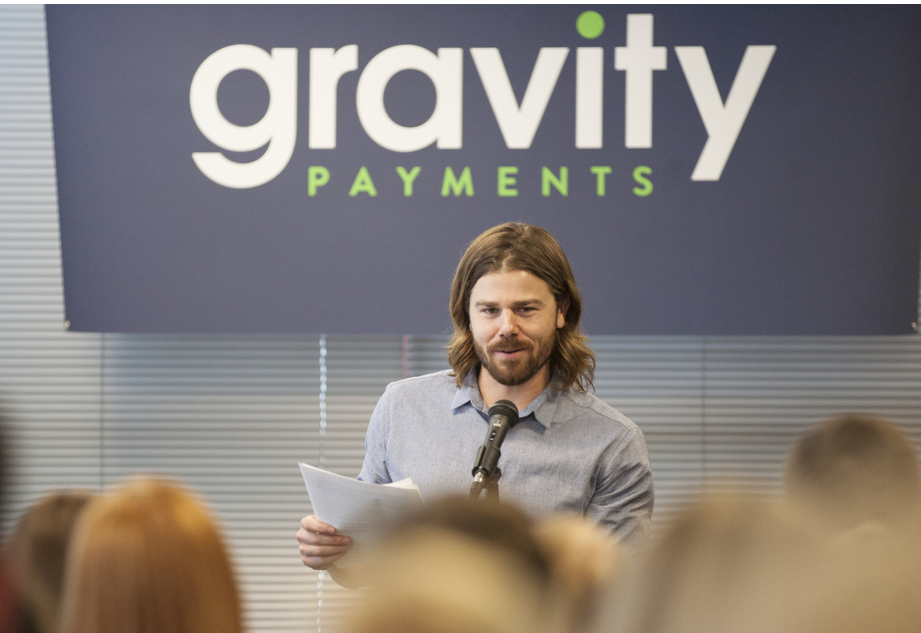
We reviewed the dilemma of Dan Price, the CEO of Gravity Payments (“Gravity”). In April 2015, Dan announced an increase in every employee’s wage to US$70,000. Every employee, including the lowest-paid clerk and newly hired staff, would receive a minimum annual salary of $70,000 to be implemented over three years.
“It was the right thing to do. I want everybody that I’m partnered with at Gravity to really live the fullest, best life that they can… I think that’s the [income level] where you can start to check off those life’s goal boxes – saving for college, buying a home, some of the basics, starting a family. I want everyone to have those basic opportunities.”
He further explained his motivation for this very bold move. In his view, “Income inequality has been racing in the wrong direction. I want to fight for the idea that if someone is intelligent, hard-working and does a good job, then they are entitled to live a middle-class lifestyle.”
The announcement met with extreme responses:
From the employees, 70 got a pay raise in an instant which made them elated, however some, especially the best employees were disgruntled – place of experience, commitment to the company over the years and high performance would not be rewarded.
The announcement created a positive media frenzy, highlighting Dan as a the ‘Income Inequality Hero’ and raised the profile of his company: Gravity received overwhelming positive messages from other companies supporting the decision and business also grew. Their monthly additions of 200 clients grew by 75% (350 clients). In addition, the Employee Value Proposition of the Company tipped the scales. They received over 5,000 resumes in one day! However, the media blast negatively impacted Dan and Gravity. They lost some current customers who feared that Gravity would increase its interest rates on its services to fund the salary increases, despite assurances that this would not be the case. Other industry leaders also used the media to voice their dissent and it seems they were anxiously waiting to see the failure of Dan’s pet project.
To fund the salary payments, Dan significantly cut his own annual salary from $1.1 million to $70,000 and had to adjust his lifestyle. In addition, for year 2015, about 80% of Gravity’s $2.2 million profits ($1.8 million) would be used to fund the salary increase. The family feud and lawsuit were sad to read and also cast further negatively to the good Dan was intending to achieve with his ‘socialist’ goals.
Some questions begging for answers are enumerated below:
- Can the company remain a going concern after making these payments over three years?
- What is the net impact of disgruntled experienced employees who leave, compared to employees who do not have sufficient experience to man management /supervisory positions?
- Would the employees who got a significant raise remain loyal to Gravity for changing their ‘happiness’ levels?
- Was the new structure fair to employees who before the announcements, earned $70,000 or more?
- Can the feat of impromptu salary increases become a locus classicus and be replicated across all companies? What can other companies learn from how this decision was made?
- Did Dan comply with corporate best practices in taking the decisions?
- Was the decision an emotional decision or was corporate governance thrown to the winds?
- Was Lucas Price right, in his capacity as a shareholder, to have filed a lawsuit against Dan and the decision to increase salaries without his buy-in?
I will share my views and recommendations on the questions as it touches on the lawsuit, media, employees and customers in my next episode. Stay tuned!
htuR #EMBA 28
