
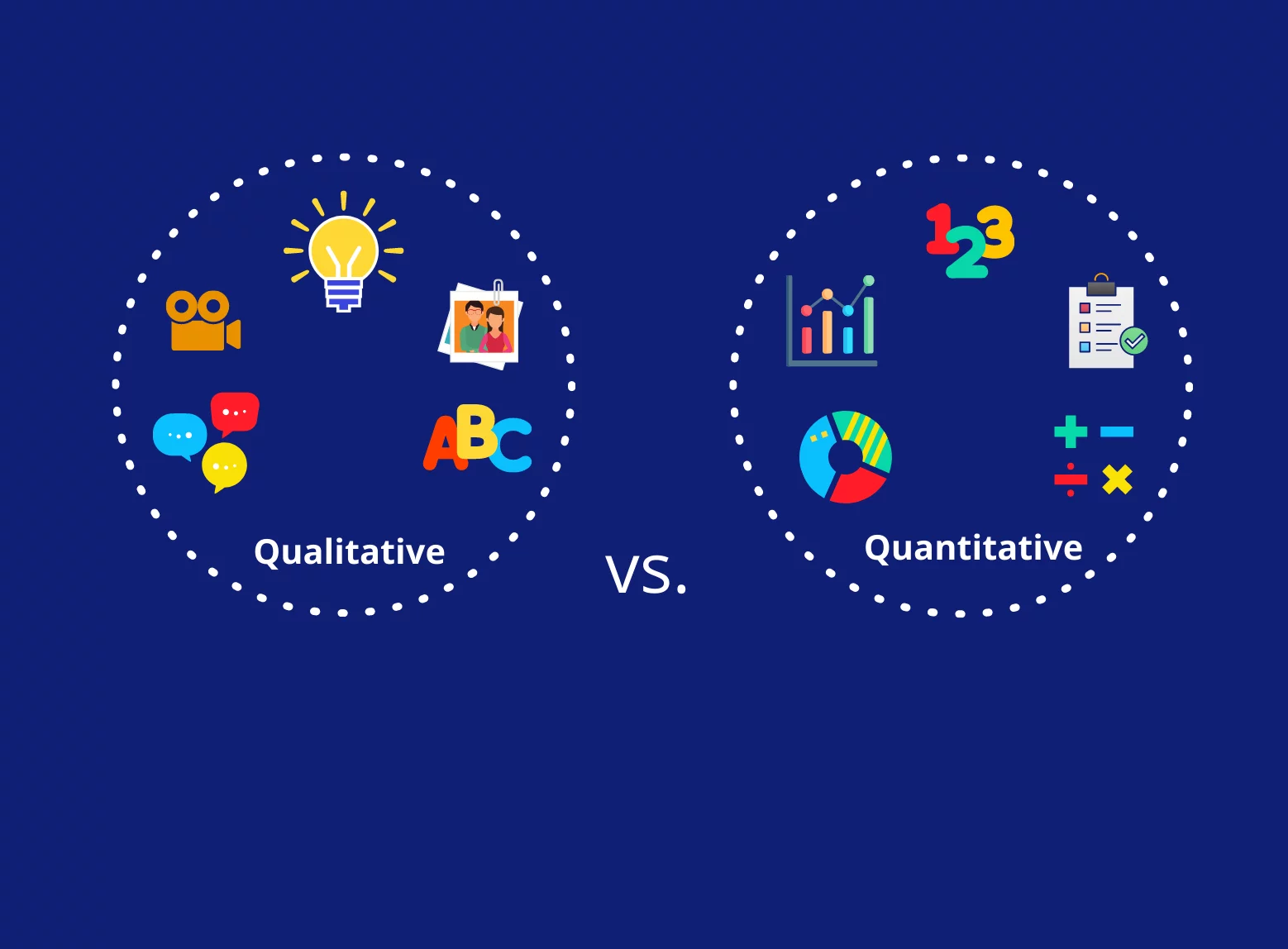
When I think of quantitative and qualitative, the featured image on this post is what comes to mind; think numbers and alphabets, respectively. Growing up, I saw myself as a quantitative person, and this pushed me into the science path academically. With years of working experience, I realized that I lean towards being a qualitative person; something changed along the line. Perhaps it’s my sales career that moved my inclination. Convincing people to buy a service is more qualitative than quantitative. Explaining the use and quality of services using everyday experiences to convince people is qualitative. The quantitative parts come up when discussing price, SLAs, and time. This often comes up after a qualitatively convincing presentation.
Being introduced to the Analysis of Business Problems (ABP) course is an eye-opener. I found myself doing more qualitative analysis than quantitative analysis when analyzing a case. I look at management, ethics, and so on before looking at the quantitative details provided. Sometimes I can marry the two, and other times, it gets challenging. I suspect it is my limited knowledge of corporate financial accounting (CFA) that makes it a struggle. I am aware that some of my colleagues can do a proper analysis of the quantitative data provided, and they base their analysis on that while ignoring a major part of the qualitative data provided. The key is balance.
When analyzing cases, some information provided is considered noise because it does not have an impact on the outcome of the analysis. This can be qualitative or quantitative. So how do we figure out what is noise and what is not? Reading through the case already tells you what the problem is. The objective is to solve that problem, or at the very least, make it bearable. When this is established, the data required for analysis can be picked out based on the desired outcome to be proposed. The quantitative analysis has to fit in with the qualitative analysis, and vice versa. A disjoint will mean a proper analysis has not been done. However, exceptions are expected.
I have heard the sentence “I am a numbers person; I need facts and figures” from different people over the years, and it gets confusing when it comes from senior executives. Before my EMBA journey, I have always opined that a senior executive should have a balance, and even though they naturally lean in a particular direction, the weight difference is not steep. The ABP course confirmed my thoughts on balance.
As a salesperson, my career is heavily tilted toward quantitative results, from the sales target to the sales achievement to the products and services sold and so on. But there is qualitative backing required to meet the quantitative objectives, such as communication skills (written and oral), customer experience (how the salesperson and the business make the customers feel), legal documentation and interpretation, management style, and so on. These are the qualitative aspects that make customers interested enough to give you the quantitative value. As an executive, ignoring the qualitative aspect of your sales while focusing on just the financial quantitative figures will put your business at risk sooner rather than later.
