
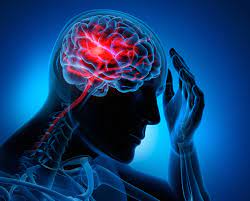
What is Stroke?
Stroke is a cerebrovascular disease which occurs when there is decreased oxygen supply to the brain. It occurs when there is bleeding or blockage in the supply of blood carrying oxygen to the brain thereby causing death of the brain cells. It is a life threatening event that requires immediate medical attention. Stroke affects the blood vessels that feed the brain with oxygen. Although many strokes are treatable, some could lead to marked disability and even loss of life. Some studies have shown that death from stroke is higher in male than in female.
WHAT ARE THE DIFFERENT TYPES OF STROKE?
There are three main types of stroke:
- ISCHEMIC STROKE: This is the most common type accounting for about 87% of all cases of stroke. In this type of stroke, a blood clot in the brain prevents blood and oxygen supply from reaching an area of the brain.
- HEMORRHAGIC STROKE: This type occurs when there is a rupture of blood vessel in the brain.
- TRANSIENT ISCHEMIC ATTACK: This type of stroke occurs when blood supply to a part of the brain is not sufficient for a brief period of time. This resolves once normal blood flow resumes and symptoms of stroke resolves thereafter without treatment. It is sometimes called mini stroke.
RISK FACTORS/CAUSES OF STROKE
- Overweight or obesity
- Older age (55 years and above)
- A family history of stroke
- Diabetes
- High cholesterol
- Having a heart disease
- Sedentary lifestyle
- Excessive alcohol consumption
- Smoking and use of illicit drugs
WHAT ARE THE SYMPTOMS OF STROKE??
The symptoms of stroke often show up without prior warning. They include:
- Confusion which also includes difficulty in speaking and understanding speech
- Headache which could come with altered consciousness or vomiting
- Loss of sensation in some parts of the body as well as inability to move the limbs and part of the face
- Difficulty walking/paralysis
- Dizziness and lack of coordination
- Bladder control as well as bowel control problems
- Depression
Some of these symptoms and problems could lead to long term health problems depending on the speed of diagnosis and intervention or treatment initiation. Some people may experience temporary disability while others may have it throughout their lives or even lose their lives.
HOW DO WE PREVENT STROKE?
People with risk factors or a history of stroke can take steps to improve their heart health and reduce or prevent the risk of stroke with the following measures:
- Having regular health checkups; this includes blood pressure and cholesterol check.
This is the only way if the risks are there and it also helps in detection of early problems to allow timely treatment,
- Regular exercises; an active lifestyle reduces the risk of all the health problems like diabetes , high blood pressure which puts one at risk of stroke
- Heart- healthy diets; a diet low in bad fats such as saturated and trans fats, reduction in sodium intake, diet high in fruits, vegetables, whole grains
- Controlling overweight and obesity by working on reaching a healthy body weight
- Avoiding cigarette smoking and intake of illicit drugs
- Getting enough sleep and general stress management. Getting 7 to 8 hours of sleep in a day is highly recommended
- Taking daily aspirin for people at risk of stroke.

 Innovation is a Woman