
It is imperative to note and reflect on the value of an efficient emergency and rescue support plan for all levels of a community of people to bolster confidence and develop the standard of living of the citizens, into having a quick response module of operation to combat the high rate of casualties and fatalities from the incessant accidents/occurrences within our environment.
The regulatory bodies or offices in every State or Nation are charged with the core responsibility of ensuring health and safety measures (i.e., provision of infrastructures and to respond to Emergencies/Rescue) are in place for the all-around development of the communal life of their people.
Responding to a series of Safe Our Souls (SOS) or emergency calls ranging from Terror Attacks, Road accidents, Train/Plane hijacks, Domestic and Industrial accidents, Fire Incidents, boat mishaps/ Capsizes, boat/ passengers rescue, and recoveries, Head-On collisions, Man-over-boards/ suicides, and a host of other SOS calls, as alerted are the major duties of an Emergency Search and Rescue Responders(simply called the SAR Team).
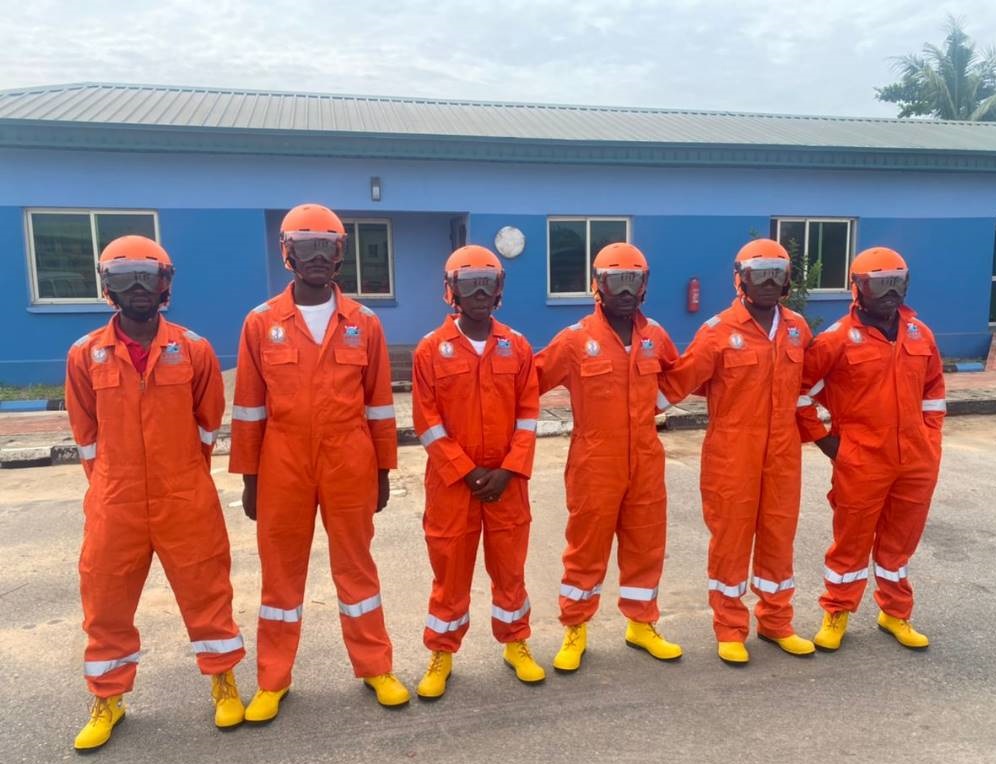
Who are the Emergency Search and Rescue Responders/ team? What are the roles and benefits to society? What is their formation or structure like? They are a team of specially selected skilled professionals from various fields with the sole aim of saving/ rescuing people in distress or emergency needs. They are usually pooled from sectors of humanity like the Public Health, Medical, Marine, Aviation, Police, Fire, and Community Services, Coastguard, Engineering, and Science, trained in human behavioural management and Environmental Risk Assessment with First Aid Response and applications.
In the structuring of the Search ad Rescue (SAR) team, they are usually in three major categories that all have working synergy when responding to SOS calls or any emergency alert, they have mainly the First Responders, Second Responders, and the Support Team. Each team takes various crucial roles in ensuring the successful rescue operation, from the management of incident calls at the Command or control centers to mobilising their team to the incident site, managing incidents on the field rescuing victims to the nearest Hospitals, and finally demobilizing and completing operations.
The SAR First responder usually mobilises first to the site upon receiving the distress call, to conduct a reconnaissance of the incident site, for an immediate response from the subsequent team. These are usually the enforcement of military taskforce comprising the Police, Navy, Airforce, and Army personnel. Even while the operations of the other teams are on, they stand firm and resolute, protecting the operations of the other teams till complete evacuation and clean up.
The Second Responders team is primarily a crew of personnel with in-depth knowledge of distress or disaster management with tact in the operation of emergency and rescue. They possess skills in the use of the equipment and mental and physical strength to salvage the situation ensuring people’s safety and reducing fatality.
Finally, the third arm of the team is called the “Support Team” as it implies, they provide clean up, stability, and demobilisation from the disaster zone. They provide global support for all sorts of emergencies; they can actually be foreign or domestic emergency support teams providing support as the name suggests.
The needs for or the roles of the Emergency Search and Rescue Team cannot be underestimated, as they ensure the safety and survival of the citizens, instilling confidence in the community they are present.

 The Future of BioPasteur