
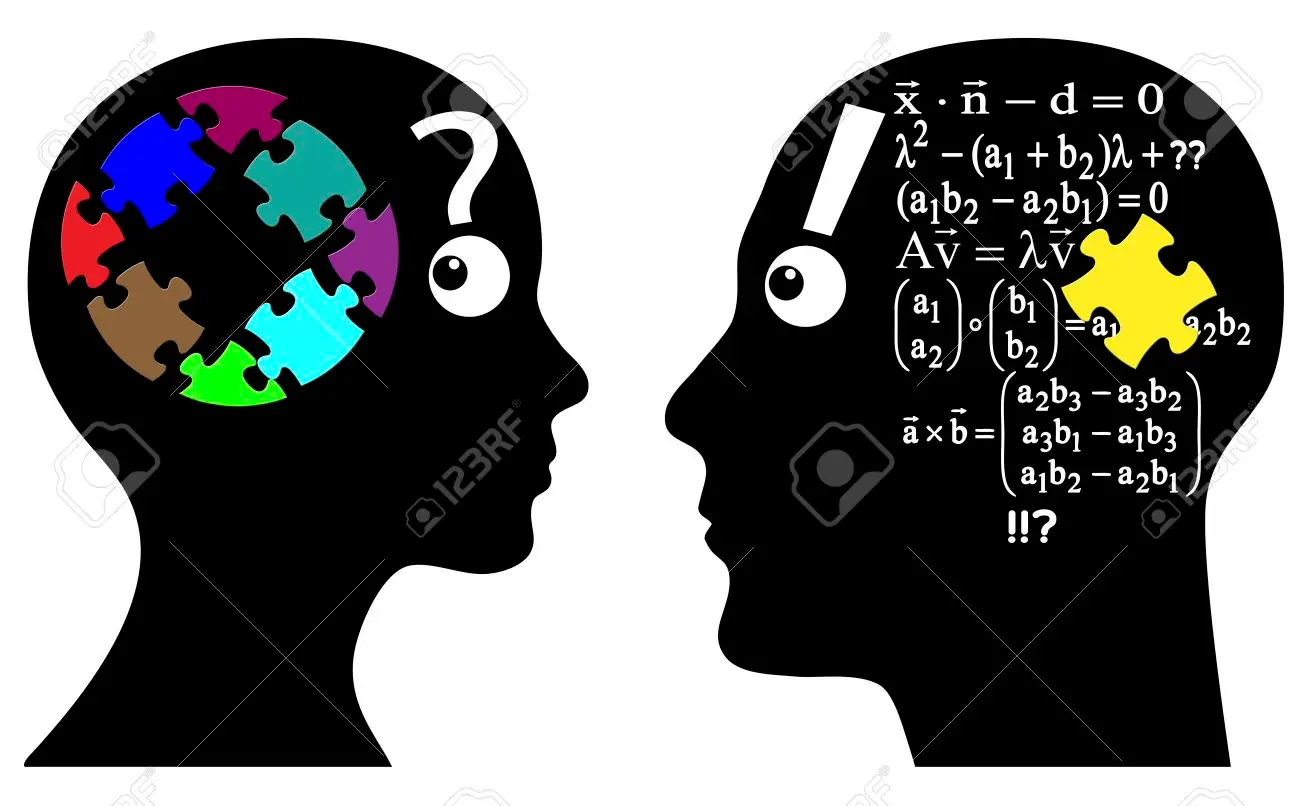
Studies has described Emotional Intelligence as the ability to detect, analyze, and regulate one’s own emotions. It is about regulating our emotions and more importantly managing our behaviours and regulating our behaviour with increased level of self-awareness. Emotional intelligence is the backbone to reducing stress and anxiety, communicating effectively, engaging with others, overcoming adversity, and handling conflicts. As a fall-out of the pandemic, this has become vital in managing the different team members of our organisations. Given that we work and operate virtually, emotional intelligence is no longer optional to have. Instead, it is a necessary skill for leaders to instill in organizations in order to stay emotionally connected with the remote team, and the need to upskill emotional intelligence in team members.
My first weeks in LBS has exposed me to the great importance of Emotional Intelligence and how it applies to mindful listening and conversations. Successful leaders show self-awareness 一 the ability to perceive and articulate their emotions. I was exposed to a thorough understanding of Emotional Intelligence and made aware of both the abilities and limitations. One of the most effective ways to upskill soft skills and emotional intelligence is by keeping an inventory of your emotional strengths and weaknesses.
However, in displaying Emotional Intelligence, Leaders should be assertive – openly sharing ideas and thoughts in a polite and non-offensive approach. They should express themselves despite what others believe or say, assertiveness is crucial in leadership. Leaders with a high level of assertiveness can stand up for their ideas and deliver bold perspectives without fear of judgment. But most importantly, learning how to be assertive comes with being capable of standing alone if your ideas are unfavorable. Many of us have faced situations that triggered emotional reactions. For some, it can be when our colleagues say “I don’t understand”– which triggers us to become defensive. For others, it can be stressful situations that set off our emotions. Whatever the circumstances are, one of the most pivotal steps to upskilling emotional intelligence in the workplace is by identifying triggers.
Once you’ve determined what your triggers are, it’s essential to investigate the “Why” driving your reactions. What is it about these topics or situations that cause you to react strongly? The goal of pinpointing your triggers is to help you respond – rather than react – to similar situations in the future. By understanding our triggers, not only will we stay level-headed, but we can also avoid making hasty actions that we might later regret. This has resulted to several regrets and “had I known”. Taking a step back to reflect on the impact of ‘my triggers’ will go a long way in assuaging the overall damage.
One of the best decisions you can make for your company is cultivating employee development through emotional intelligence training. Not only is investing in your people a critical step in developing an engaged workforce, but it’s a small price to reduce employee turnover, protect your bottom line, and promote your company’s continuous learning culture and values. An organization that focuses on upskilling its team’s emotional intelligence can find itself in the driver’s seat on the path to success.
So, what’s stopping you? Take the first step in improving employee experience and development through upskilling emotional intelligence by giving a shot to LBS MBA programme and share your experience. #EMBA28

 ANALYSES OF BUSINESS PROBLEM-PRACTICAL APPLICATION OF MODELS TO REAL LIFE BUSINESS CHALLENGE- PART ONE