
Analysing case studies, as I have come to understand and accept, is now a part of my life. Throughout my career journey, I have been asked to make a case for one thing or another. The practice is to be concise and detailed enough to get approval. If not, you will get a response asking for more details, and this will continue until the recipient is satisfied. This made me more appreciative of the case studies in the Analysis of Business Problems course. Now, reading all of them and analysing them is a different case. Not because it is difficult, but because you have to juggle all of the courses and everyone expects you to read their course as well, which is exhausting.
Back to case study analysis: from our practice in teams and class, I have come to realise that the way we analyse our cases is probably different from the way people analyse them across different countries and regions. Our social, cultural, political, and economic experiences differ from one country to the next, so we often analyse these cases based on our experience and the societal factors listed above. The danger of doing this, as discussed with the facilitator, is that you tend to restrict your analysis and proposed solutions to your view, which may not necessarily be a bad thing, but in a world where everyone is interconnected, you have to consciously build your narrative within the context of everyone involved. The objective is to analyse cases with an open mind.
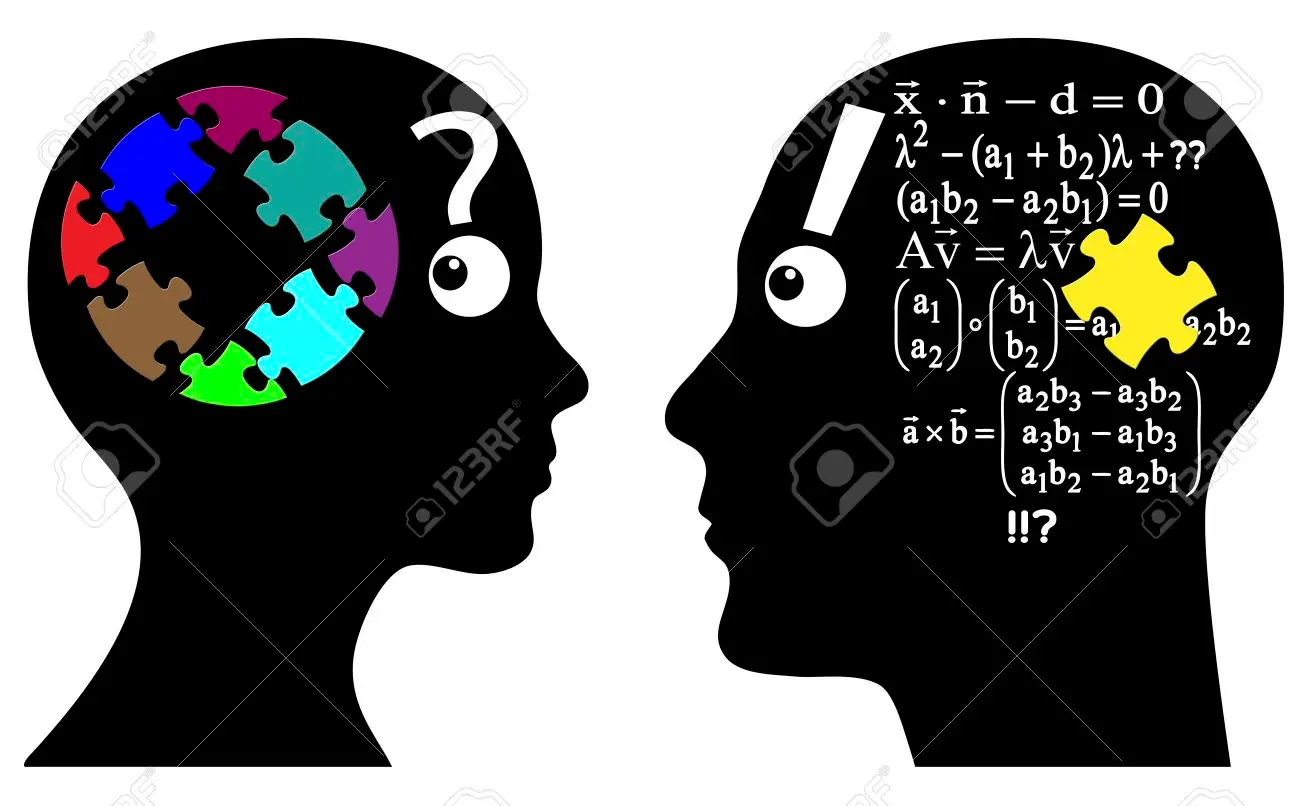
The beauty of analysis is that you may not agree with the final recommendation, but the analysis backs it up because you analysed it correctly. Now, what I do not understand is: when do instincts play a role in real life? Let us say you are doing a business analysis and you come up with a recommendation, but your instinct says you should go in another direction. What do you do? I understand that the logical thing to do is to follow the analysis that led to the recommendation; however, are we saying instinct has no place in business or even intuition (gut feeling)? Instinct is our unconscious knowledge that is formed by our lived or witnessed experiences. Will we override experience based on stated facts, or will we simply let experience lead?
Jeff Bezos once said: “When you can make a decision with analysis, you should do so, but it turns out in life that your most important decisions are always made with instinct, intuition, taste, and heart.”
Decisions have to be made; that is the primary responsibility of every business leader. For business stability, the role of business analysis can never be overstated. It is what will make or mar the business. However, when you come to a crossroads, I believe a mix of your instincts and analysis will help you make the decision. At this point, you must trust your instincts and hope that your decision is correct. It is one of those cases where the end justifies the means.




 Civility and Etiquette: A Whole Spectrum (II)