
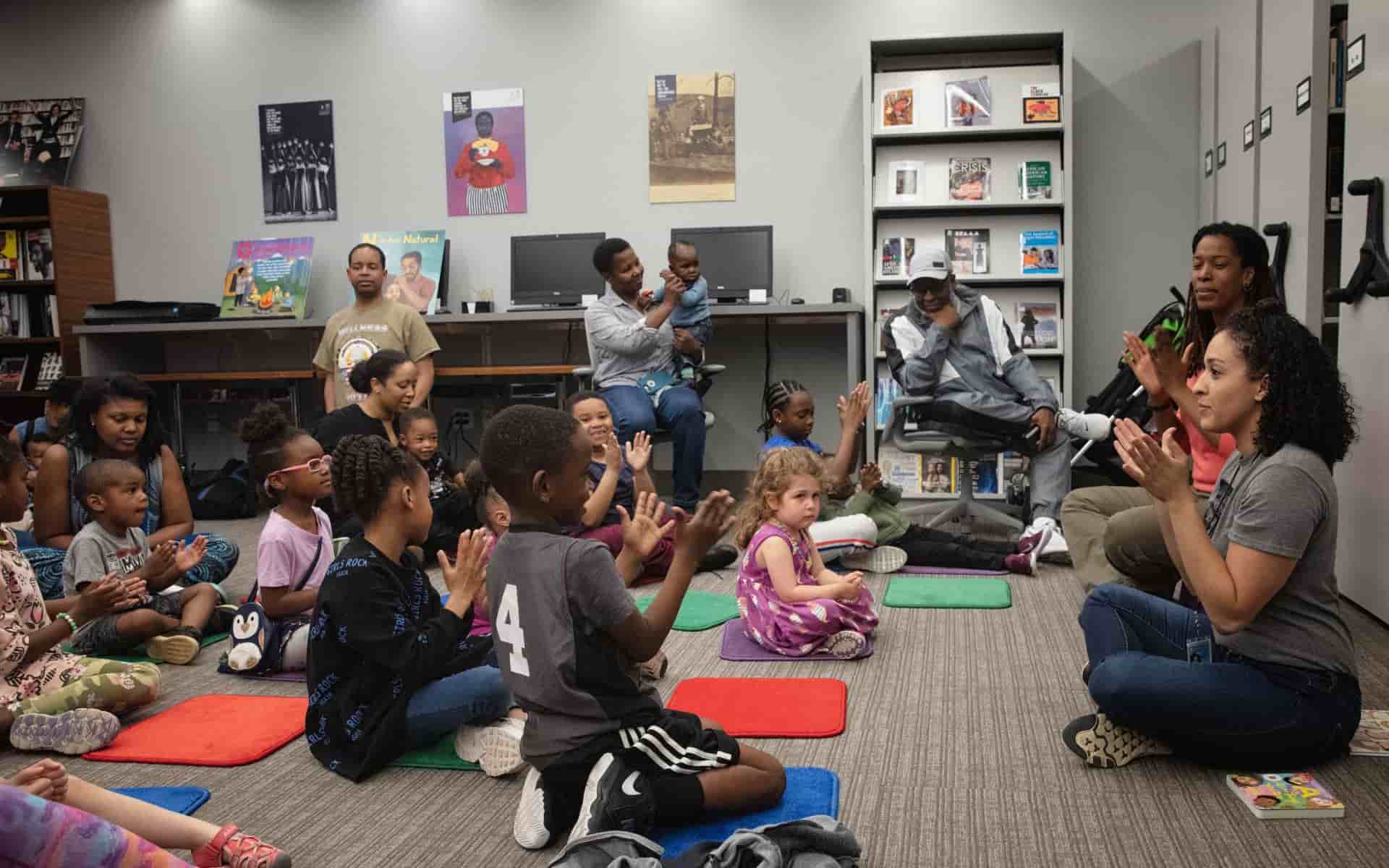
I have come to believe the saying that the early years of any child hold the foundation for all that is to come. Research has shown that the human brain develops most of its neurons – being the most receptive part of the brain to learning, between birth and about three years of age. In fact, the intake of new information is critical to the formation of active neural pathways (Shonkoff & Phillips, 2000). Early education can play a critical role during this important developmental period. Research linking early intervention to both cognitive and socio-emotional gains has fueled the increase of early childhood programs.
Indeed, early childhood is a crucial stage of life in terms of a child’s physical, intellectual, emotional, and social development. Growth of mental and physical abilities progress at an astounding rate and a very high proportion of learning takes place from birth to age six. It is a time when children particularly need high quality personal care and learning experiences.
During the first three years, parents will be the main influence in the child’s learning experience and education. What parents do and expose their children to have a vast impact on the development of the child. Parents sometimes forget that an interested parent can have a tremendous impact on a child’s education at any age. If the parents choose to participate in a Mothers and Toddlers group or child-care arrangements, including family babysitting or center-based child care, these all have the potential to provide high-quality, individualized, responsive, and stimulating experiences that will influence the child’s learning experience.
With this in mind, a child in a negative environment could also result in negative effects as well. This fact makes it essential that the environment that the child is placed in during these early years be as positive and intellectually stimulating as possible. Very strong relationships are imbedded in everyday routines that familiar caregivers provide. It is the primary caregiver that a child learns to trust and looks to for security and care.
The last four decades in particular has produced many new practices and principles for use in the classroom with young children, as well as countless books, videos, and activities to enrich the learning environment. The Universal Basic Education (UBE) has produced several books and materials to be used for early childhood education.
Education actually begins from the moment the child is brought home from the hospital and continues on when the child starts to attend playgroups and kindergartens. The learning capabilities of humans continue for the rest of their lives but not at the intensity that is demonstrated in the preschool years. With this in mind, babies and toddlers need positive early learning experiences to help their intellectual, social and emotional development and this lays the foundation for later school success.
Quality early education can produce important long-term improvements in the intellectual and social development of disadvantaged children. However, many families, but particularly low-income families, do not have access to quality child care and early education programs. There is need to perceive the education of a child as joint task to ensure we raise children with positive impact to the society at large. #EMBA28.
