
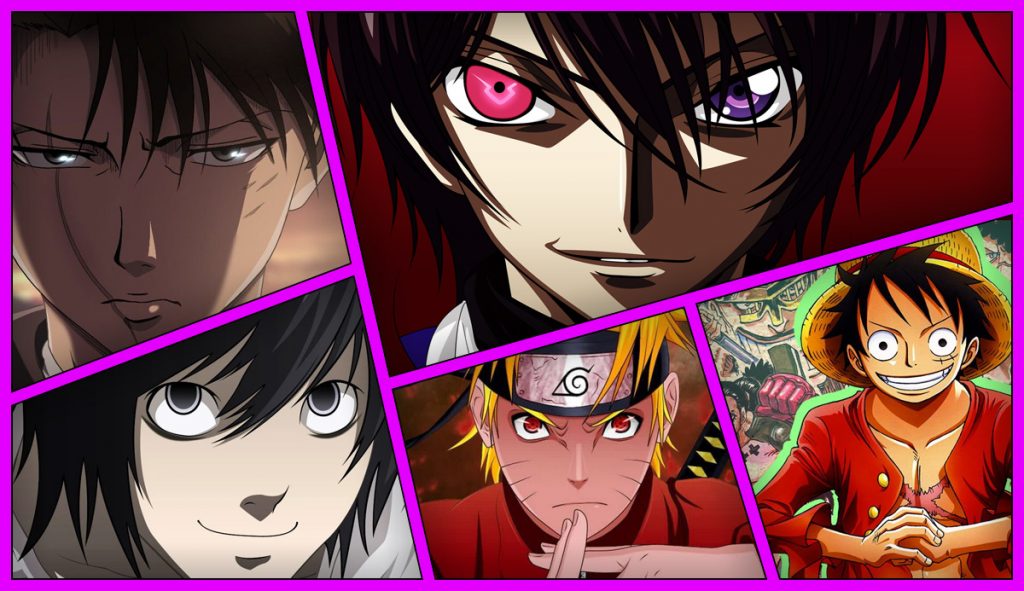
Anime refers to hand drawn and computer-generated animation, originating from the country of Japan. In Japan, the word anime describes all forms of animation. It’s basically a shortened form of the English word animation. However, outside of Japan, anime is used to refer to animation that has its origin in Japan. Anime has been around since as far back as 1917. The works of Osamu Tezuka in the in the 1960s, however, brought anime to the fore and its popularity has been growing ever since. Currently, there are over 430 anime production companies. As a medium, anime has seen widespread international success with the increase in foreign dubbing, subtitle programming and streaming services. As of 2016 Japanese animation accounted for 60% of the world’s animated television shows. That’s saying something.
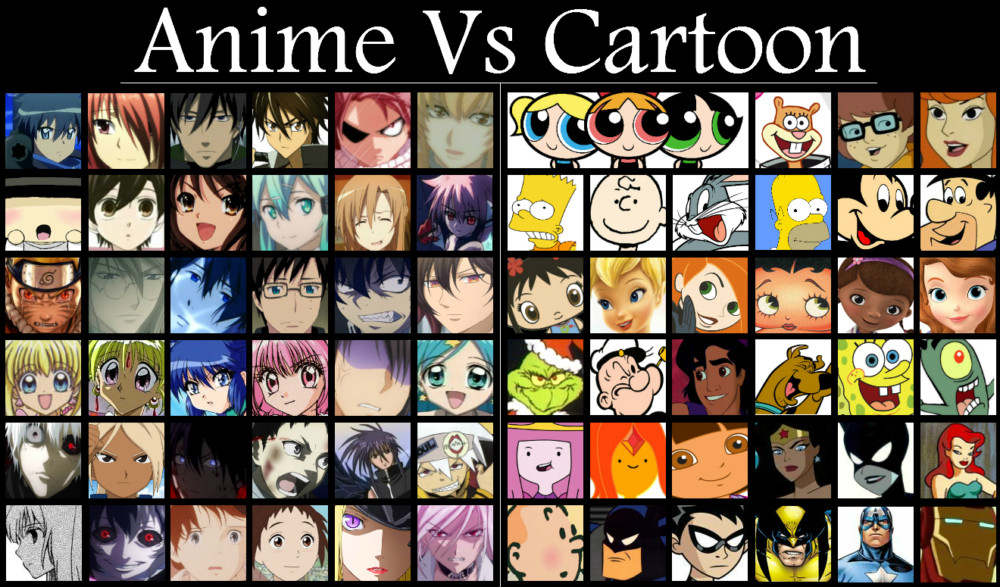
Personally, one of the major appeals of anime for me came from the art style. I found the art style uniquely different from what was obtainable in most western cartoons. Take for instance, the difference between the artwork of samurai Jack, a popular cartoon show on the cartoon network, and Voltron were quite obvious. Although artwork tends to differ from one anime to another. There are distinguishing qualities such as large emotive eyes, intense expressions, “hair action” and the like.
One of the things I found most intriguing about anime as a medium is its ability to capture certain emotions and concepts quite vividly. I’ve had several friends say things like “anime is for children” or “how can an adult be watching anime?” To which I would respond, “but you may come to discover that this is not the case”, as a lot of anime capture, various concepts of life that a child (and by child, I mean someone below the age of 13 most times) may have trouble grasping. I remember when I first saw the anime Attack on Titan, also called Shingeki no Kyojin. I was struck by the graphic depiction of human hopelessness in the face of a seeming insurmountable obstacle. In the anime Fullmetal Alchemist: Brotherhood, one of the best ever made, the concept of the “Law of Equivalent Exchange” is aptly illustrated in the failure of two boys who tried resurrecting their dead mother. Need I say more about Lelouch Lamperouge, the protagonist of the Code Geass series, and his selfish quest for revenge that leads him down a path of tyranny and manipulation, ultimately ending self-martyrdom? The above-mentioned anime and many more capture several mature philosophical and life concepts that would go above the head of a young child.
