

When it comes to conflict of interest, managers have a fiduciary responsibility to their companies.
Conflict of interest happens when someone has a personal interest in the outcome of a decision that affects the company’s interests. An example would be an executive who owns stock in a company where he or she is required to make decisions about the company’s finances. This could be problematic if he or she was involved in making decisions that benefited him or her personally while being detrimental to the company’s long-term financial health.

In order for this type of conflict not to occur, managers must disclose all potential conflicts of interest so those affected by them can make an informed decision about whether or not they want anything to do with that manager or entity. If there are potential conflicts, then managers should recuse themselves from any discussions regarding those matters until after they’ve been resolved.
Managers are often the first ones to spot conflicts of interest. They’re the people who see things from different angles and who have to make decisions on behalf of the company as a whole. But what happens when they themselves have a conflict of interest?

A conflict of interest is when an individual has a personal interest that affects their ability to make decisions on behalf of their organization. In other words, if your manager is negotiating a new contract with you and it would mean more money for them personally than it would for you, then they have a conflict of interest when making those decisions.
Managers are legally required to disclose any conflicts they may have in order to avoid legal trouble down the road. To do this, they should meet with HR right away and let them know about this potential issue. There are also some things that managers can do themselves in order to prevent or resolve conflicts before they arise:
-Be clear on how much influence each person has over one another’s work
-Make sure everyone understands what’s expected from them in terms of performance reviews and salary increases
-Have regular meetings where everyone can express their concerns
Conflict of interest is a term that gets thrown around a lot in business. It’s also one of the most important things to keep in mind when you’re managing a team and working with clients.
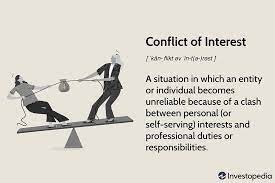
Conflict of interest is when you have a personal or financial stake in your work that could potentially influence your decisions or actions. For example, if you own a restaurant and combine business with personal life, then you run the risk of having financial conflicts of interest—you might be tempted to give special treatment to your friends and family when they come in for food at the restaurant, or even charge them less than what they should pay for their meal.
There are many different ways that a conflict can occur within a firm. Some common examples include:
• An executive officer (i.e., CEO, CFO) has personal capital gains or losses from their investments and/or loans from their firm that could benefit them personally, but not the firm
• The executive officer is receiving a high salary or bonus compared to other employees and has the ability to increase their salary or bonus through various methods such as stock options or performance reviews
• The executive officer does not disclose any personal financial information about themselves for board members and shareholders because they believe it would cause conflicts of interest
Conflict of interests can also arise from other sources: if you’re working as an independent contractor or consultant, then it’s possible for clients to bring up any issues that would affect your ability to provide unbiased advice on their projects. If you’re responsible for hiring new people for a position within your company and know that someone has applied for the job, then there may be an incentive for you not to hire that person because they’d be competing directly with you once hired!

The solution? Make sure all potential conflicts are disclosed before accepting them into the organization.
Furthermore, conflict of interest is a situation where an individual’s personal interests are in direct opposition to the best interests of the company. This can be caused by an individual’s personal financial gain or loss.
