
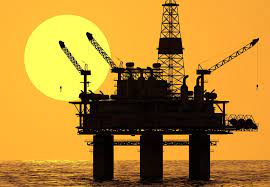
One of the lessons of the Lagos Business school is letting me see the see how I can contribute to the value chin of my company. I let me stop working in a silo and look at the entire value chain process rather than concentrate on only my part in the process. I am a Geoscientist and for a major part of my career I have been involved in the technical part of finding hydrocarbon energy resources as a Geologist. In recent times, as an investor.
I work with National Upstream Investment Management Services, a subsidiary of Nigerian National Petroleum Corporation. Our head office is in Lagos. We invest on behalf of the Federal Government in the oil and gas companies, national and international and work with our partners to maximize profits by bringing our products to the local and international market at a low operating cost. Our product is oil and gas.
The major advantage with our product is the quality. Oil quality is ranked by sulfur content and density. High sulfur, heavy oils like the type predominantly produced in Venezuela are the lowest quality and least expensive. Low sulfur, light oils are of the highest quality and bring in the best price.
Crude oil quality is internationally measured by the American Petroleum Institute (API) gravity. API values greater than 10 are classed as light crude, those less than 10 are classed as heavy. Crude oil produced in Nigeria ranges from 29-47 with sulfur content of 0.1-0.5% and therefore considered as very good quality.
Crude oil internationally has two major sales methods termed spot and futures. Spot sales are crude oil sold at the current market price in the international marketplace. Futures oil contract is an agreement to buy or sell a certain volume of oil at a predetermined price, on a predetermined date. Investors buy on a gamble of what they expect the price to be at the predetermined date.
Due to the nature of the product and market, the major way buyers are enticed is by offering discounts. During the corona virus pandemic, with the restriction of movement and a glut of oil in the international market, huge discounts were offered by Nigeria to sell crude. Discounts are still currently being offered.
Crude oil is traded in the commodities markets. One of the ways NNPC is positioning itself to grow its customer base, is in the crude oil shipping business. NNPC shipping is in partnership with a reputable international shipping company as they invest in the purchase and deployment of crude oil tanker vessels to facilitate supply to buyers and complete the value chain from production to delivery.
Promotion of our product is mainly on the international stage. Oil and Gas conferences, networking events with traders, investors and speculators.
NNPC just transformed to a limited liability company and one of the strategies being employed in its transformation is staff. Young vibrant staff with good commercial knowledge and positive attitudes are being elevated to vital positions. This will give buyers and traders more confidence in dealing with the corporation.
Organizational culture change is also necessary. Prior to the covid pandemic lockdown, Nigeria had lost its major consumer, the USA who had become self-reliant with the evolution in shale fracking technology, Asia quickly filled the void. The demand for oil had kept most organizations complacent as traders actively sought our buyers. During the pandemic, the glut led to competition to secure buyers with discount. Customer service improvement therefore is a necessity to stay competitive.
NNPC is transforming from a company that was mostly influenced by Government control to one that is engaging as a business entity employing best business and ethical practices to stay ahead in the game.

 The Benefits of Security Cameras in Parks and Public Spaces – A Lecture Series on Crime Prevention and Detection