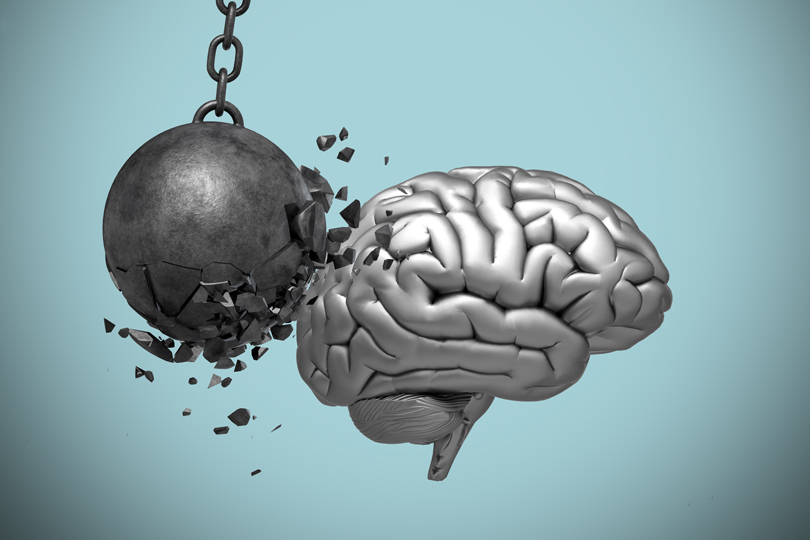
Biases, specifically decision bias, denote systematic deviations from rational decision-making processes. These deviations manifest as consistent patterns of judgment errors influenced by cognitive, social, or emotional factors. Our brains frequently employ shortcuts or lean on emotions, resulting in decisions that may not always be the most optimal or reasonable. These biases exert a substantial impact on how we perceive information, the confidence we have in our decisions, and even how we respond to novel situations.
**Common Examples of Decision Biases:**
1. **Confirmation Bias:** This is the inclination to favor information that aligns with existing beliefs, irrespective of its relevance to the present situation. For instance, when researching a contentious topic, individuals may selectively read articles supporting their own viewpoint, disregarding alternative perspectives.
2. **Overconfidence Bias:** This habit involves overestimating one’s abilities or the accuracy of beliefs and predictions. For instance, a stock trader might believe they possess a unique ability to predict market movements, leading to riskier investments without a comprehensive assessment of potential downsides.
3. **Anchoring Bias:** This bias involves relying on the first piece of information encountered (the “anchor”) when making decisions. In negotiations, the initial offer can serve as an anchor, significantly influencing subsequent counteroffers. Similarly, seeing the original high price tag on a product can distort the perception of a discounted sale price.
4. **Groupthink:** This is the inclination of a group to make decisions without critical evaluation, driven by the desire for consensus and harmony. In a corporate setting, teams may avoid challenging flawed ideas to maintain group cohesion, resulting in suboptimal decisions.
5. **Sunk Cost Fallacy:** This is the inclination to stick with a plan or project based on past investments, even when it no longer makes sense. This might involve pouring more resources into a failing business or project due to prior time, money, or effort invested, rather than objectively assessing future prospects.
**Overcoming Decision Biases:**
Addressing decision biases necessitates an understanding of these cognitive tendencies and the implementation of strategies to mitigate their impact, fostering more objective and rational decision-making.
– **Objectives:** One strategy involves outlining objectives independently before seeking advice to circumvent anchoring by others’ opinions.
– **Alternatives (Options):** Generating numerous alternatives and evaluating them collectively is crucial. Avoiding working in isolation when evaluating options helps prevent favoritism. Considering what might be missed with each option, exploring vanishing options, and simulating scenarios where seemingly best options are off the table are beneficial practices.
– **Future Considerations:** Making three estimates for the future—low, high, and middle ground—proves effective. Planning contingencies for extreme scenarios helps avoid overoptimism.
A deeper exploration into these strategies provides insights into how they can be practically implemented to counteract specific decision biases.
**Objectives: Seek Diverse Perspectives**
When contemplating objectives, the bias mitigation strategy involves seeking advice from diverse sources. This approach is grounded in the acknowledgment that external perspectives can shed light on aspects that may have been overlooked. However, it is paramount to outline objectives independently before seeking advice. This ensures that one’s thought process remains free from undue influence, avoiding the anchoring effect caused by the opinions of others.
**Alternatives (Options): Collaborative Evaluation**
In the realm of evaluating alternatives, the bias mitigation strategy encourages collaborative assessment. Generating a multitude of alternatives and evaluating them collectively helps in avoiding working in silos. This collective evaluation aims to prevent favoritism towards a particular option and ensures a more comprehensive consideration of available choices. By looking at options together, individuals can better discern what might be missed if a specific choice is made. Additionally, the concept of vanishing options is introduced to deter favoring a particular idea.
**Future Considerations: Realistic Estimations**
Considering the future involves a common bias mitigation strategy: making three estimates—low, high, and middle ground. This approach acknowledges the human tendency to be overly optimistic and seeks to anchor future considerations in a more realistic framework. By providing a range of estimates, individuals are better equipped to navigate the uncertainty of the future. Furthermore, planning contingencies for extreme scenarios adds a layer of preparedness, ensuring a more adaptive response in the face of unforeseen challenges.
In essence, the strategies for overcoming decision biases serve as practical tools for individuals and groups to navigate the complex landscape of decision-making. By being cognizant of these biases and actively employing these strategies, individuals can enhance their ability to make informed, rational choices. The commitment to objective analysis, coupled with a conscious effort to outsmart biases, forms the foundation for effective decision-making in various aspects of life.