
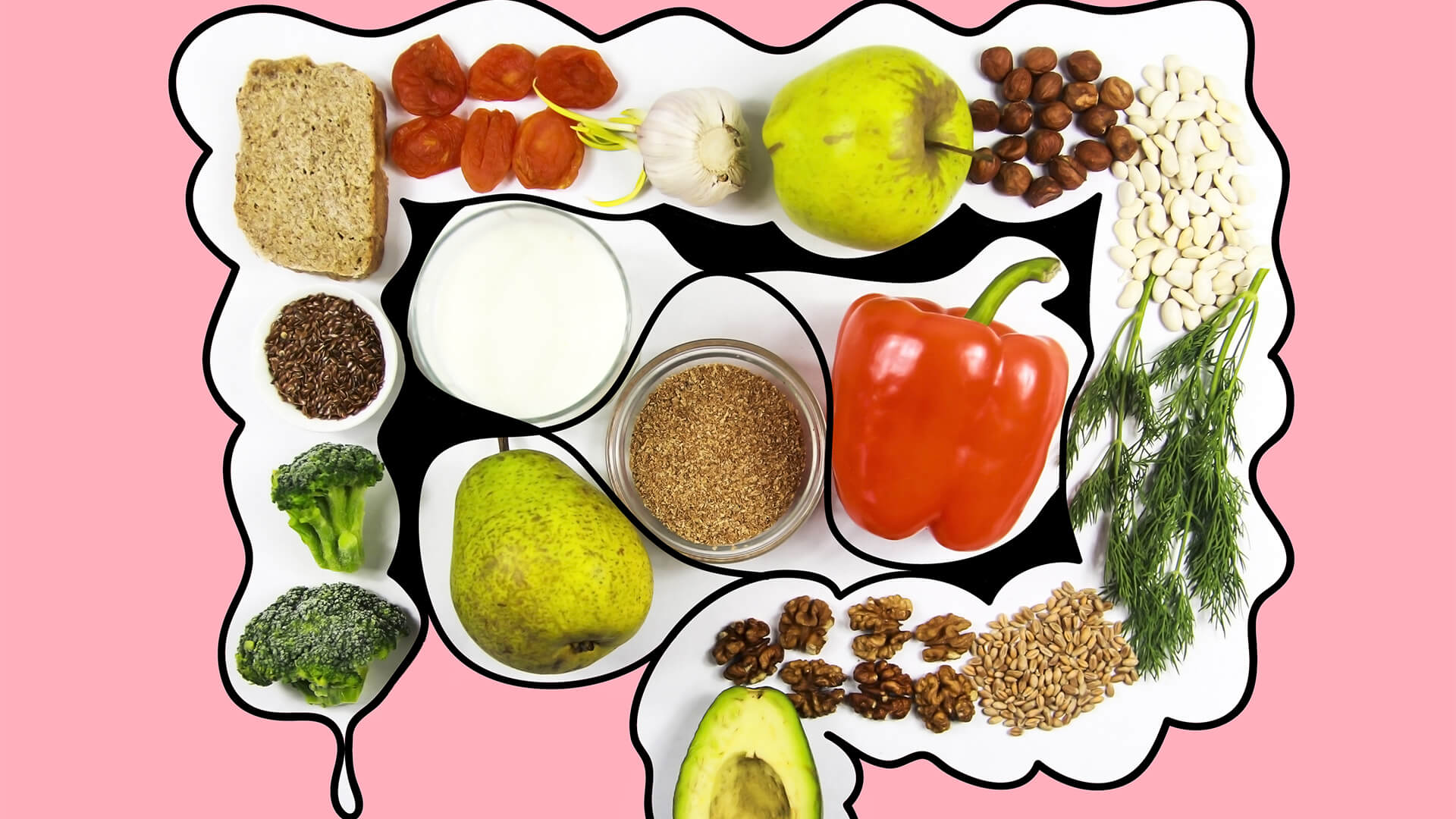
The gut,termed gastrointestinal system, is home to a plethora of microbes made up of bacteria, fungi, and viruses that play a vital role in preserving the overall state of health. These microorganisms carry out certain functions relating to digestion, nutrient absorption, and immune system performance.
Take a moment to contemplate the intricate interplay between the gut and the brain. These connections are designed through bidirectional communication pathways, constituting the gut-brain axis.
The vagus nerve, a prominent component of the parasympathetic nervous system, serves as a primary pathway for this communication, establishing a strong gut-brain connection. Remarkably, gut microorganisms can produce neurotransmitters, which carry chemical signals between nerves, influencing brain function. What adds to the intrigue is that this convoluted communication spans various channels, encompassing nerves, hormones, and the immune system.
Contemporary research findings suggest that gut microbes influences our mental well-being, including mood, emotions, and cognition. These studies have unveiled a significant correlation between gastrointestinal health and neurological disorders such as Alzheimer’s, anxiety, and depression. Moreover, the gut microbiota produces serotonin, often referred to as the “happy hormone,” which plays a crucial role in regulating mood.
Apart from serotonin, gut microbes contribute to the production of other neurotransmitters such as dopamine. This neurotransmitter plays a multifaceted role in the brain, inducing feelings of pleasure and motivation; influencing memory and sleep; and serving as a stress reliever. Additionally, gamma-aminobutyric acid (GABA), another neurotransmitter synthesized by gut microbes, plays a crucial role in managing anxiety and fear. This convoluted involvement of these neurotransmitters showcases the extensive impact of gut microbes on various aspects of mental and emotional well-being. This shows that a healthy gut is important to our mental well-being.
Additionally, suboptimal gut health has been associated with various health issues, extending beyond mental well-being. Research indicates a correlation between poor gut health and conditions such as inflammation, cardiovascular diseases, and digestive disorders, including cancer. These highlight the broader impact of maintaining a healthy gut microbiome on overall physical health and well-being.
Emphasizing the importance of maintaining a healthy gut cannot be overstated, and achieving this goal is possible through various approaches. Engaging in regular physical activity contributes to maintaining a healthy gut by enhancing blood flow to the intestines, fostering a diverse and flourishing gut microbiome. Beyond the physical benefits, staying active and triggering endorphin release, influences gut health.
Alongside a well-balanced diet and exercise, managing stress is crucial for supporting gut health. Elevated stress levels can adversely affect the gut microbiome, emphasizing the importance of incorporating activities that promote relaxation and stress reduction. Practicing mindfulness or indulging in enjoyable hobbies are effective ways to unwind, benefiting the mind and gut. Take moments for self-care, allowing the symbiotic relationship between the mind and gut to flourish.
The intricate connection between the gut and brain is captivating, highlighting the profound interdependence of gut health and mental well-being. This marvelous link underscores the wonders of creation, suggesting a divine plan. Delving into this connection holds the promise of gaining deeper insights into how to nurture both physical and mental health. Let’s continue nurturing our guts and minds for a happier and healthier life!




 2023: Wrapped in Pages of Insight