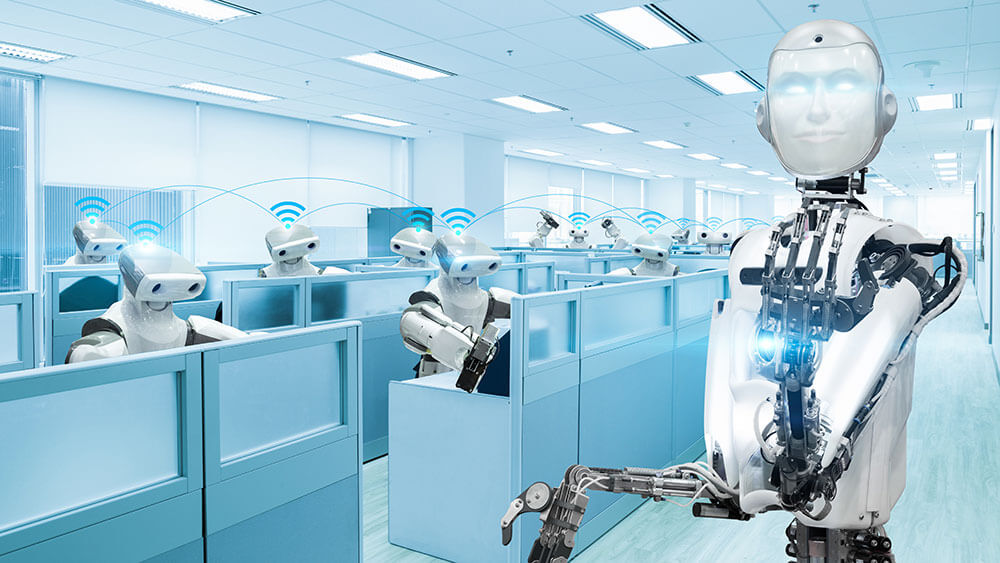

In the rapidly evolving world of technology, automation has become an integral part of our lives. From self-driving cars and automated customer support to industrial robots and AI-powered virtual assistants, automation is transforming the way we live and work. In this blog post, we will explore the future of automation and its implications for businesses, society, and the workforce.
1. The Rise of Intelligent Automation:
The term “intelligent automation” refers to the combination of artificial intelligence (AI) and automation technologies. It involves machines and systems that can perform complex tasks, make decisions, and learn from experience. This next phase of automation is expected to have a profound impact on various industries. For example, in healthcare, intelligent automation can facilitate accurate diagnosis and personalized treatment plans. In the manufacturing sector, it can optimize production processes and increase efficiency. The benefits of intelligent automation are vast, including improved accuracy, increased productivity, cost savings, and reduced human error.
2. Impact on the Workforce:
The rise of automation has led to concerns about job displacement. However, many experts argue that automation will not necessarily lead to job loss but rather a change in job roles. As certain routine and repetitive tasks become automated, human workers will have the opportunity to engage in more creative and strategic work. This concept is known as “augmented intelligence” – the collaboration between humans and machines to enhance productivity and problem-solving capabilities. Consequently, there is a growing need for workers to develop skills that complement automation, such as critical thinking, creativity, and emotional intelligence. Organizations and educational institutions must focus on re-skilling and up-skilling programs to equip the workforce for the automation-driven future.
3. Societal Implications:
The economic implications of automation are a topic of debate. On one hand, automation has the potential to increase productivity, reduce costs, and drive economic growth. On the other hand, concerns arise regarding the displacement of certain job roles and the potential for increased inequality. It is crucial for governments and societies to address these concerns and ensure inclusivity in the automated future. Additionally, ethical considerations related to privacy, security, and bias in automated decision-making systems need to be thoroughly addressed. Transparency, accountability, and robust regulations are essential to mitigate the risks associated with automation.
4. Opportunities and Challenges for Businesses:
Automation presents significant opportunities for businesses. It can streamline operations, improve customer experience, and enable scalability. For instance, automation in customer support with chatbots can provide immediate assistance and reduce response time. However, organizations also face challenges in implementing automation strategies. Cultural resistance and change management are critical hurdles that need to be addressed. Organizations should foster a culture that embraces automation and invest in change management processes to ensure a smooth transition.
5. Government Policy and Regulation:
Governments play a vital role in shaping the future of automation. They need to establish policies and regulations that foster innovation while ensuring fair competition and safeguarding societal interests. Government initiatives should encourage organizations to invest in automation technologies and provide support for the workforce during times of job disruption. Policies addressing data privacy, security, and accountability are essential to build trust in automated systems.
The future of automation is dynamic and filled with opportunities and challenges. By embracing intelligent automation, businesses can unlock significant benefits, from increased productivity to cost savings. However, organizations need to carefully navigate the challenges posed by such technological advancements, including change management and workforce re-skilling. Governments also have a responsibility to create an enabling environment that promotes innovation and addresses societal concerns. With strategic planning and collaboration between businesses, governments, and individuals, we can build a future where automation enhances our lives, improves efficiency, and creates new opportunities for growth and prosperity.




 The Role of Emotional Intelligence in Leadership