
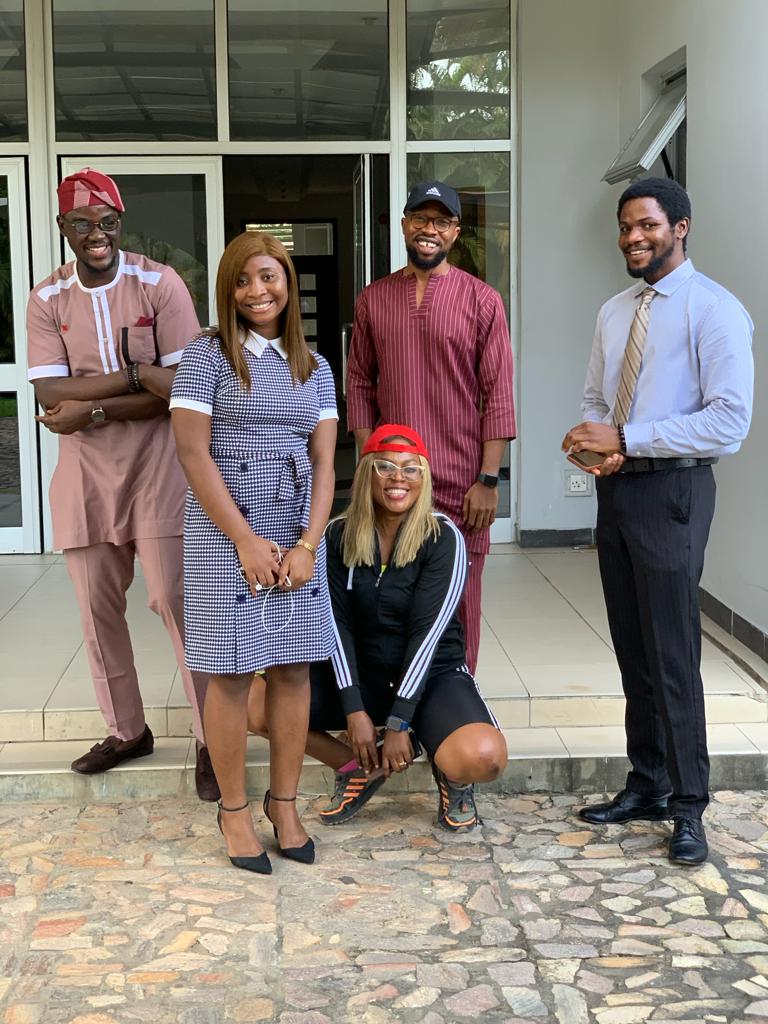
Yet another week, another group study, another group interaction, another day where my activities are constantly revolving around my group members. I keep on learning and un learning certain characters imminent in me that is detrimental to our success. I am constantly learning how to be a team player, how to respect everyone’s opinion, how to insist that everyone partakes in the group activity and are carried along every single step. Lagos business school has developed my team player mentality, and I have highlighted the few ways “the best group in MMBA 5” has contributed to this. The group is filled with different people in different lines of expertise and as differs as our field of expertise, so are our view points. Consequently, I have learned several skills on how to cater to these diversities highlighted below:
- Emotional Intelligence:
As highlighted in the introduction, I have learned how to apply emotional intelligence in dealing with our diverse group opinions. I initially started with the loudest voice, and although it is still a work in progress, I have learned how to ask for thoughts from the group members rather that asserting my opinions on them. I have also learned how to carter to the different personalities of people even in our case study argument. It takes a lot of emotional intelligence to be an effective team member/leader, this I have learned and I continue to apply. The main emotional intelligence I have learned so far as I sojourn is mutual respect. I have learned and still learning to counter view point not by outrightly dismissing it but by first encouraging the opposing comment, then giving constructive feedback. Additionally, I have learned to listen more, internalize before making comments. This will help me to digest the information and give proper feedback which would be beneficial to the group and it will minimize irrelevant feedbacks from me because the information would have been thought through thoroughly.
- Individual Accountability:
While collaboration is crucial, individual accountability is equally important. Each member of the group should take ownership of their assigned tasks, ensuring that they meet established standards and deadlines. Establishing clear expectations and holding oneself and others accountable fosters a sense of responsibility and reliability within the group. Consequently, I have infused a system that carters to this as we have developed a weekly group plan which would be highly modulated, each member of the group will have responsibilities dished out that must be fulfilled. Therefore, they would be held accountable if they failed to deliver
- Conflict Resolution
Although, the conflict in our group is to its minimum, however I have developed a conflict resolution technique. In any collaborative effort, conflicts may arise due to differences in perspectives, work styles, or unforeseen challenges. Developing conflict resolution skills is essential for maintaining a harmonious group dynamic. Encouraging open dialogue, active listening, and finding common ground are key components of effective conflict resolution. Emphasizing the shared goal and the mutual benefits of collaboration can often help resolve conflicts and propel the group towards success. In essence, anyone there is always a feedback session every group, and this means that there is an active listening from every member. Any grievances encountered by anyone is listened to by everyone and addressed immediately. This is to prevent conflict that may arise in future, and I must say, we are slowly becoming a family.
- Development of Social skills:
One of the primary advantages of incorporating group systems into the Lagos Business School is the cultivation of social skills. In a world that is becoming increasingly interconnected, the ability to collaborate effectively with diverse groups of people is an invaluable asset. Group activities in education provide students with opportunities to enhance their communication skills, practice active listening, and develop empathy. Through collaborative projects, students learn to navigate different perspectives and negotiate solutions, preparing them for the collaborative demands of the professional world. I have been able to learn how to be social as I am constantly forced to come out of my shell.
In conclusion, the incorporation of group systems into the Lagos Business School is of paramount importance for various reasons. Beyond the acquisition of academic knowledge, the development of social skills, critical thinking abilities, and preparation for the real world are essential aspects of a holistic education. Group systems create a dynamic learning environment that reflects the collaborative nature of contemporary society, preparing students not only for academic success but also for personal and professional fulfillment in an interconnected world. As education continues to evolve, embracing and enhancing group systems will play a pivotal role in shaping the well-rounded individuals needed to address the challenges of the future. Successfully navigating group systems in Lagos Business School demands a combination of interpersonal skills, effective communication, and a commitment to both individual and collective success.
I have become so used to this group and they steady give me joy with a mix of banter, brilliance, firmness. I must say I am encouraged to bring my A game every time we meet and I tend to learn more from every single member of my group and I hope to become a better team player to help out group. Either way, Group one is slowly becoming a family and not just a mere group.




AWWWWWWWWW! This is such an amazing read, Group ONE to the world!