
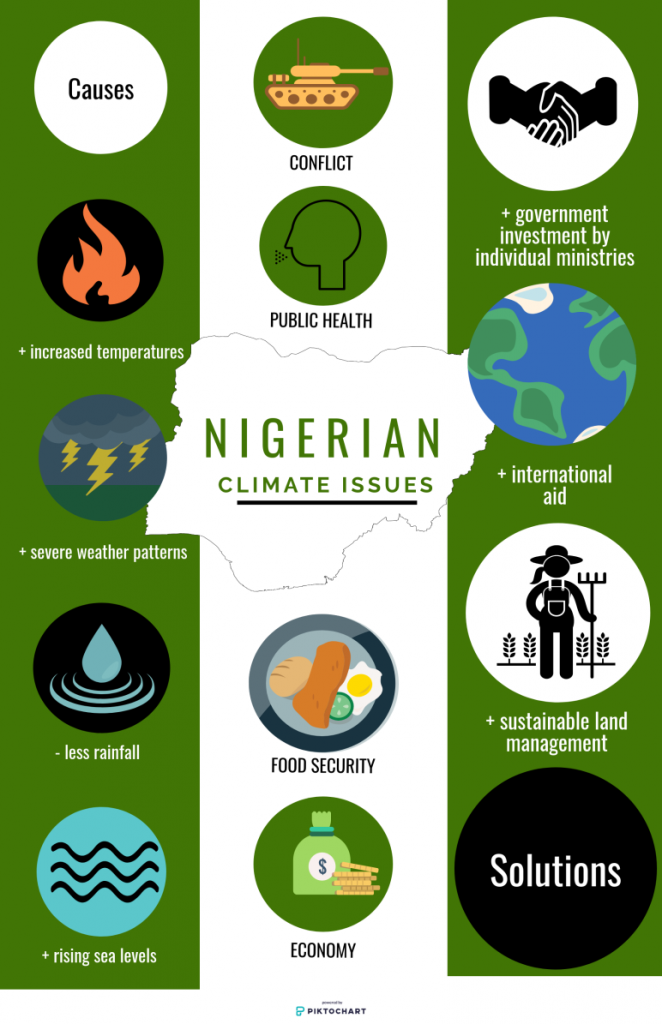
Nigeria, with its expansive landmass, particularly in the northern region, is divided into six key zones: North Central (NC), North East (NE), North West (NW), South West (SW), South East (SE), and South (SS). These regions are bestowed with rich natural resources, yet unfortunately, a significant portion of these assets remains unexplored. Despite the abundant wealth within its borders, Nigeria has been unable to fully harness its potential due to perceived negligence and the adverse effects of poor governance.
According to recent data from the Nigeria Bureau of Statistics, the nation’s inflation rate has soared to 22.98%, an unprecedented high in its history. This stark reality prompts us to ponder a fundamental question: What motivates individuals to invest and thrive amidst times of conflict and hardship? However, within these challenges lies an opportunity to pivot from the current negative trajectory to a more positive outcome by aligning with the United Nations’ development goals. Specifically, this can be achieved through the adoption of the 5P’s framework:
- Planet: Preserving our planet’s natural resources and climate to ensure the well-being of future generations. This statement serves as a rallying call for individuals, communities, governments, and organizations to act responsibly and proactively in safeguarding the environment. It advocates for a shift in mindset, policies, and practices toward sustainability to protect the Earth’s ecosystems and ensure a better future for generations to come.
- People: Eliminating all forms of poverty and hunger while upholding dignity and equality for every individual. Eliminating all forms of poverty and hunger speaks to the ambition of eradicating not just extreme poverty but all facets of deprivation that deny individuals access to basic needs such as adequate food, shelter, education, healthcare, and economic opportunities. Poverty is a multi-dimensional issue that requires addressing systemic inequalities, lack of resources, unequal distribution of wealth, and barriers to social and economic inclusion.
Hunger encompasses both the immediate lack of food and the underlying issues of food insecurity, malnutrition, and inadequate access to nutritious meals. Eliminating hunger involves not only providing food aid but also ensuring sustainable agricultural practices, equitable distribution systems, and empowering communities to be self-sufficient in food production.
- Prosperity: Ensuring lives of prosperity and fulfilment in harmony with the natural environment. To achieve lives of prosperity in harmony with the natural environment, it’s essential to embrace sustainable practices across various sectors, including energy, agriculture, industry, transportation, and urban planning. This involves transitioning towards renewable energy sources, promoting circular economies, reducing waste, conserving biodiversity, and mitigating climate change.
Furthermore, it requires changes in societal attitudes and behaviours, fostering a culture that values conservation, environmental stewardship, and responsible consumption. It calls for collaborative efforts between governments, businesses, communities, and individuals to create policies, innovations, and lifestyles that prioritize both human prosperity and environmental sustainability.
- Peace: Cultivating peaceful, fair, and inclusive societies. Fair and inclusive societies” underscore the importance of equity and social justice. They advocate for equal opportunities and rights for all individuals regardless of their background, ethnicity, gender, religion, or socioeconomic status. Inclusivity emphasizes embracing diversity, valuing differences, and ensuring that marginalized groups have a voice and representation in decision-making processes.
Achieving this vision of peace requires addressing the root causes of conflict, such as social inequality, discrimination, poverty, lack of access to education, and political instability. It involves promoting human rights, the rule of law, good governance, and democratic institutions that uphold fairness, accountability, and transparency
- Partnership: Executing the agenda through a robust global partnership. Executing the agenda” refers to the implementation of plans, strategies, or objectives aimed at addressing specific challenges or pursuing certain aspirations. This could encompass diverse agendas such as sustainable development, environmental conservation, poverty alleviation, peace-building, and more.
Through a robust global partnership” underscores the importance of forming strong alliances and collaborations among nations, international organizations, governments, non-governmental organizations (NGOs), civil society, businesses, and other stakeholders. A robust partnership implies a commitment to shared values, mutual respect, and collective action toward a common purpose.
Nigeria’s vast resources, when effectively tapped into, can become a catalyst for economic growth and social development. By implementing strategic policies and practices aligned with the 5P, the country can make significant strides towards mitigating the challenges posed by inadequate resource utilization, governance issues, and economic instability. Efforts directed towards conservation and sustainable use of natural resources, coupled with initiatives to eradicate poverty and promote social equality, will lay the groundwork for a more prosperous Nigeria. Collaboration and partnership, both domestically and on a global scale, will play pivotal roles in actualizing these goals and fostering a brighter future for the nation and its citizens.
MEMBA12




 HOW TO WRITE A PROBLEM STATEMENT