
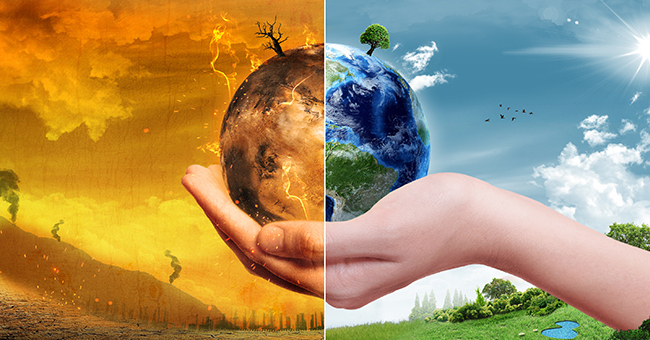
Title: The Impact of Climate Change on the Food Chain
Introduction:
Climate change is one of our most pressing global challenges, with far-reaching consequences for various ecosystems and human societies. Among the many areas affected by climate change, the food chain stands out as a critical component that sustains life on Earth. This article explores the profound impact of climate change on the food chain, highlighting the disruptions it causes at various trophic levels and the potential consequences for biodiversity, food security, and human well-being.
1. Primary Producers:
Climate change alters the growth and productivity of primary producers, such as plants and algae, which form the foundation of the food chain. Rising temperatures, changes in precipitation patterns, and extreme weather events can affect photosynthesis rates, nutrient availability, and water availability. These disruptions can lead to reduced plant growth, changes in plant distribution, and increased vulnerability to pests and diseases. Consequently, the abundance and quality of food sources for herbivores and omnivores are compromised.
2. Herbivores and Omnivores:
Climate change-induced alterations in primary producers cascade through the food chain, impacting herbivores and omnivores. Plant composition and phenology changes affect the timing and availability of food resources for these consumers. For instance, if plants bloom earlier due to warmer temperatures, herbivores relying on specific plants for food may face food shortages if they cannot adjust their feeding patterns accordingly. Consequently, these disturbances can lead to reduced reproductive success, population declines, and changes in species interactions.
3. Carnivores and Apex Predators:
Climatic disruptions at lower trophic levels significantly affect carnivores and apex predators. Changes in prey availability, abundance, and distribution can affect predator populations. For example, if herbivores decline due to food shortages, carnivores that rely on them may experience reduced food availability and increased competition. This can lead to changes in predator-prey dynamics, alterations in predator behaviour, and potential range shifts. Consequently, the overall balance of ecosystems can be disrupted, with possible consequences for biodiversity and ecosystem stability.
4. Biodiversity:
Climate change can significantly threaten biodiversity by disrupting the food chain. As species at different trophic levels respond differently to changing environmental conditions, imbalances can occur. These imbalances can result in species composition shifts, species distribution changes, and potential extinctions. Loss of biodiversity not only affects the functioning of ecosystems but also diminishes the resilience and adaptive capacity of these systems to future environmental challenges.
5. Food Security and Human Well-Being:
Climate change-induced disruptions in the food chain have severe implications for global food security and human well-being. Changes in crop yields, reduced availability of fish stocks, and altered nutritional content of food sources can impact food production, availability, and affordability. Vulnerable populations, particularly in developing countries, are at greater risk due to their reliance on agriculture and limited adaptive capacity. Additionally, disruptions in the food chain can lead to increased food prices, malnutrition, and potential social and political instability.
Conclusion:
The impact of climate change on the food chain is extensive and multifaceted. Disruptions at various trophic levels have far-reaching consequences for biodiversity, ecosystem stability, food security, and human well-being. Addressing climate change and its effects on the food chain requires a comprehensive approach, including mitigation efforts to reduce greenhouse gas emissions, adaptation strategies to enhance ecosystem resilience, and sustainable practices to ensure food security for present and future generations.
Mustapha Junaid
#MEMBA 12




 The Middle