
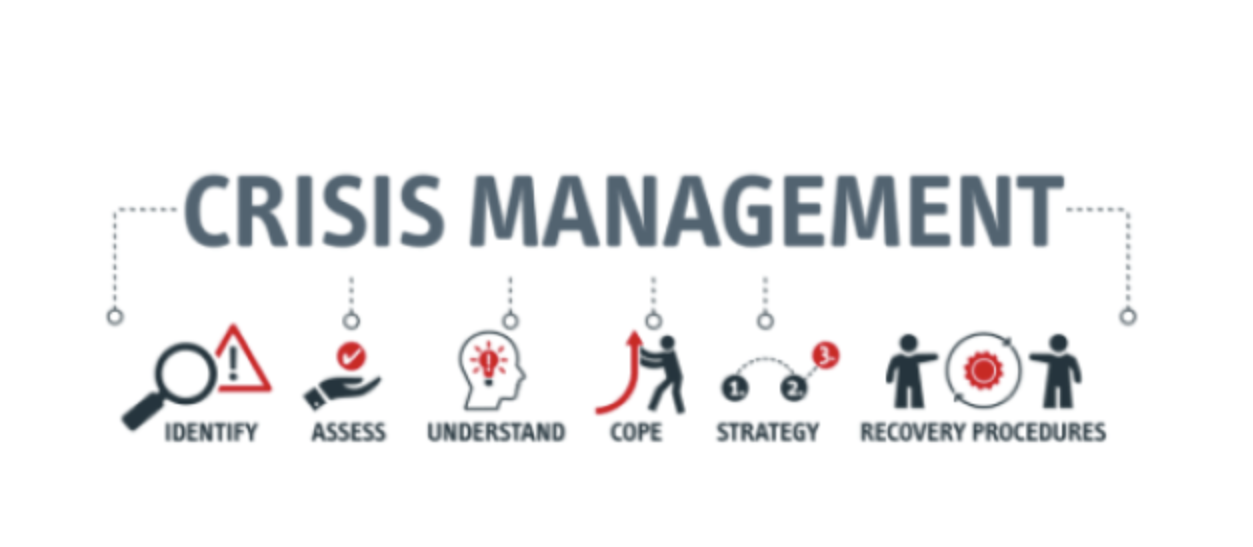
As I reflect on the learnings from my MBA, a particular revelation stands out — the intricate dance between crisis management and problem analysis. In this blog post, we will delve into the vital interplay of these two concepts, exploring how a synergistic approach is paramount for organizations seeking not only to weather storms but to emerge stronger from them.
The Foundation of Crisis Management:
Crisis management is not merely a reaction to chaos; it’s a strategic response deeply rooted in a proactive understanding of potential pitfalls. The foundation of effective crisis management lies in the anticipation and identification of challenges before they escalate into full-blown crises. In my MBA journey, this concept has become a recurring theme, emphasizing the importance of foresight and preparedness.
Proactive Problem Analysis as the First Line of Defense:
At the heart of crisis management lies problem analysis—a meticulous process of dissecting potential issues, understanding their root causes, and devising proactive strategies. Organizations that excel in crisis management are those that integrate problem analysis seamlessly into their DNA. During my MBA studies, I learned that being proactive in problem analysis serves as the first line of defense against crises, allowing organizations to detect and address issues at their nascent stages.
The Interconnectedness of Problem Analysis and Crisis Management:
One key insight that has reverberated through my MBA journey is the symbiotic relationship between problem analysis and crisis management. Problem analysis provides the foresight to anticipate potential crises, while crisis management hones the agility and resilience needed to navigate through challenges identified during problem analysis. It’s a dynamic interplay where one informs and strengthens the other.
The Art of Scenario Planning:
In the realm of crisis management, scenario planning emerged as a powerful tool in my MBA toolkit. This strategic approach involves envisioning and preparing for various plausible scenarios that could unfold in the future. Through this lens, organizations can conduct problem analyses on a broader scale, identifying potential crises and formulating responses before they materialize.
Effective Communication as a Pillar:
A crucial aspect that my MBA studies underscored is the pivotal role of effective communication in crisis management. Beyond the technicalities of problem analysis, the ability to communicate transparently and empathetically during crises is paramount. This human-centric approach ensures that stakeholders, both internal and external, are well-informed and confident in the organization’s ability to navigate turbulent waters.
The Human Element in Crisis Management:
An often overlooked but critical aspect is the human element in crisis management. Through my MBA, I learned that crisis management is not solely about systems and processes; it’s about understanding the emotional and psychological impact of crises on individuals within and outside the organization. Problem analysis, therefore, needs to extend beyond technicalities to encompass the human dimension.
Conclusion:
As I reflect on my MBA journey, the synthesis of crisis management and problem analysis emerges as a cornerstone of organizational resilience. The proactive identification of potential challenges, coupled with a strategic response mechanism, forms the essence of this synergistic approach. Organizations that embrace this dance between problem analysis and crisis management are not only equipped to weather storms but are poised to transform crises into opportunities for growth and improvement. In navigating the complex seas of business, this dual perspective is not just a theoretical framework—it’s a compass that guides organisations towards calmer waters and brighter horizons. #MMBA5



