
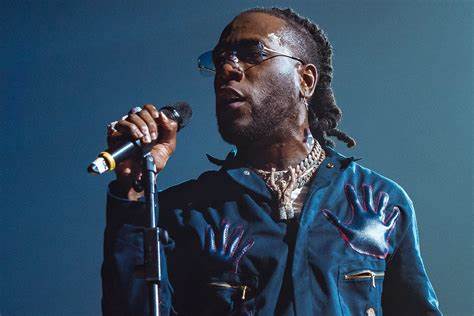
The last two years has been a remarkable season for Burna boy. His artistry and discography have grown beyond expectations. His fans and other music enthusiasts worldwide now have an icon they can call their own. What is important to note about Burna boy is the sudden and radical resurgence he made as an artist. Burna boy has always been a household name in the Nigerian music scene. He rose to prominence after dropping hit single Like to Party in 2012. He released his debut album L.I.F.E in 2013 which sold 40,000 copies on the first day of release. Burna boy is notable for his afro-fusion brand, which is a combination of reggae, dancehall and afrobeats. However, Burna boy’s influence has seen a radical drift from a mere artiste to an influencer of a larger afrobeats movement. He has since transformed his music, upped his game and re-introduced himself to the world. Since dropping his albums titled Outside and African Giant, Burna boy has continued what seems like an endless run towards a legend of the game status.
What this article seeks to explore is the influence of his art; why is emergence is a welcomed development to the positive rivalry in the local music scene. It is a new test to what has become a stale competition between few musical oligarchs. Burna boy has always cited Fela, Sunny Ade and other early music icons as his biggest inspirations. He constantly shows his roots and how much these artistes have influenced his artistry. His musical prowess lies in his ability to sample and recreate old sounds into modern and contemporary sounds that fit the now and also pay homage to forbearers. His delivery on songs like Dangote, Another Story, Gbona, African Giant have clear adaptation of sounds from Fela. His depiction of Afrocentrism in his sounds has been remarkable. Burna boy has stood firm with the appreciation of the black body; his rhythm and aura altogether has been massive. His songs have become top club bangers and party rockers. His ability to alternate between reggae while aligning with afropop and his dance energy has gone a long way in cementing his position as a pop influencer.
Deeper insight shows how Burna boy’s influence is not limited to what he produces but rather to the whole afrocentric movement. His brand of afro-fusion which is alternative sound rivals the existing status quo, which has been predominantly viewed from a Wizkid versus Davido perspective. These two have been the biggest acts in the industry and also the most consistent. From a critical perspective, this was a good and welcomed rivalry that spurred improvements on both sides. Both artists had a duty to consistently produce art in order not to fall short of expectations from the music wold. This was instrumental in selling afropop to a larger and broader audience. However, the lack of creativity that could compete with these two was bad and made the industry redundant. Artistes looked up to the two rather than gave them that needed intense competition. Afropop enthusiasts had to always look forward to those two as SI unit of what good music is. Burna boy’s radical re-introduction into the scene expands the positive rivalry and allows listeners a new perspective to the afrocentic culture. It also keeps the creativity drive within the industry burning as artiste are not coerced out of creating their unique brand of music. We have seen this revolution from the likes Asa, Brymo and a couple of artistes but Burna boy’s artistry has proven to be able to withstand the needed consistency and also align with the needed vibe attached to Afrocentric music.
Ultimately, Burna boy’s resurgence is not designed to only satisfy waiting earbuds but also a manifestation of a creative industry and a broad genre built on Afrocentrism that empowers all.



