
It’s been over 45 minutes and the Lecturer hasn’t said anything about the balance sheet.
“When is he going to drop the bomb?” I drummed my fingers on the brown wooden desk.
“Is he stalling? Why is he making us wait this long? I knew I shouldn’t have chosen this course. I was never good at business studies in secondary school.” Questions kept turning over in my mind as I listened.
Then boom!! He ended the class.
“What?!”
I couldn’t believe it. The most interesting thing was that he never said anything about balance sheet.
“Maybe that’s the topic for the next class.” I closed my laptop and emptied the last drop of coffee in my cup.
Interestingly, nothing was said about balance sheet in the next class too. Now, my interest in accounting had peaked. This wasn’t what I expected it to be.
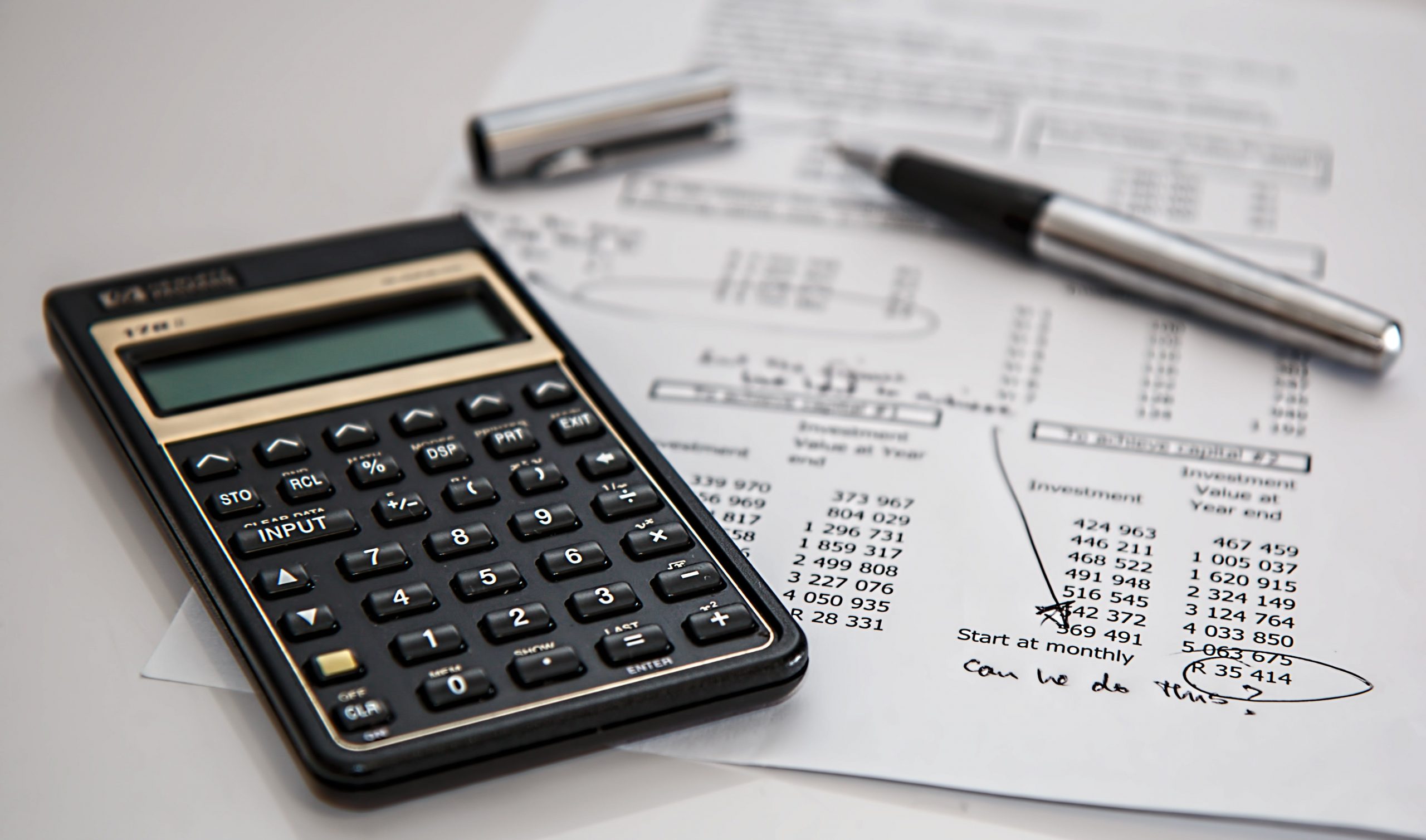
All my life, I had always imagined accounting to be about crunching big numbers all day in the office. Nothing could be further from the truth. In fact, whenever I hear about a company doing an audit, the image I have is one where everybody is sweating in an air-conditioned office because of the figures.
The Unpopular Role Of An Accountant In An Organisation
Most people’s opinion about an accountant’s role in an organisation is similar to the one described above. However, nothing could be further from the truth.
An accountant’s role is to capture the transactions that takes place during business funding, asset acquisition, daily operation, profit and expenses incurred. These are all the decisions made by the business owner, which can be classified into three namely:
- Investment decisions
- Operating decisions
- Financial decisions
From the above, we can deduce that more factors go into accounting than number crunching like most people believe. After the accountant has gone through the three levels of decisions above, then he/she comes up with a financial statement.
There are three basic financial statements which are:
- Balance Sheet
- Income Statement
- Cash flow Statement
Getting all these documents is why accounting practices like audit takes time. From the minute to the major transactions, everything has to be audited.
The Most Difficult Aspect Of Accounting
Similar to how we sweat and are confused in business studies while trying to balance ledgers, accountants suffer the same fate – just that theirs is real life, and real numbers. Air-conditioners will refuse to work when balancing ledgers because most times, the ledgers are never balanced – there are situations where even though the trial balance is balanced, it’s not correct. This is due to wrong postings, arithmetic errors, transaction omissions etc.
For an accountant to record any information or transaction in his book, he/she needs objectivity. This means verifiable evidence, which should be part of the source documents. Once all the source documents are found or presented, then the accountant has to do some adjustment to the balance sheet – this is called the adjusted trial balance. The financial statement is written based on the adjusted trial balance.
The back and fourth that occurs when trying to balance ledgers is the most dreaded part of accounting. Therefore, if your firm’s accountant is breathing down your neck for a source document (receipt, transaction reference etc.), he/she is doing their job.
#MMBA5




 Crisis management 101