
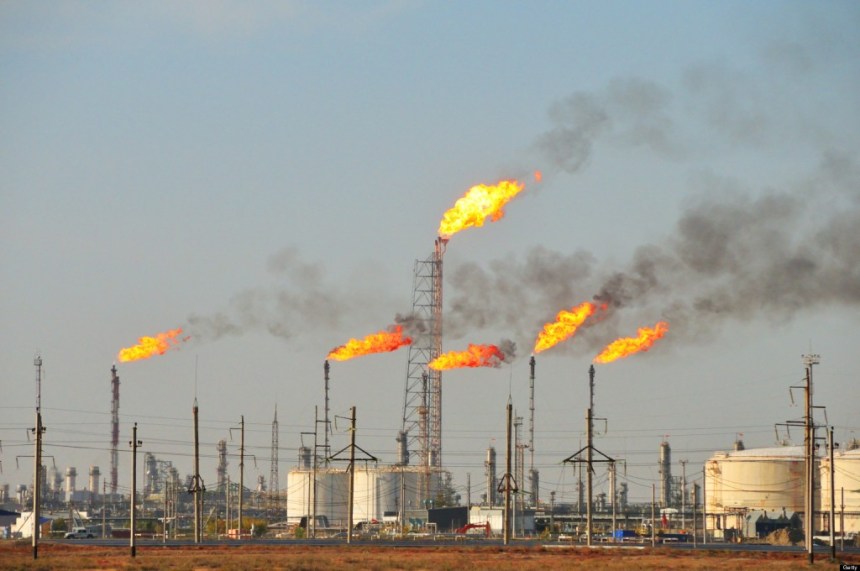
One of the biggest questions that countries have to face today is the dilemma between choosing economic development and environmental sustainability. While many societies are trying to see how economic growth and development can be pursued side by side and in the most ethical manner, many countries are doomed between choosing one of two very difficult options. In many instances, the question is always “do we keep this lush, green, carbon negative expanse of land or ocean rich in biodiversity or we extract minerals off it to feed the nation?”. This is a very big issues especially for developing countries who are actively playing catch up to the countries of the first world who have had a favorable head start to propel their own industries. The irony of the situation is that societies who control access to capital and funding have for a very long time industrialized via means of polluting the atmosphere, their factories had been powered by coal and other fossil fuels. These days, they are the biggest proponents of environmental sustainability in a way that makes it incredibly difficult for developing countries to rely on cheap fossil fuel to propel their development. In their defense, they say that fossil fuel has so much effect on the environment in a way that threatens the sustainability of life on the planet. The specter of a warming planet really sounds like a bigger scourge that the poverty that is caused by the lack of economic opportunities.
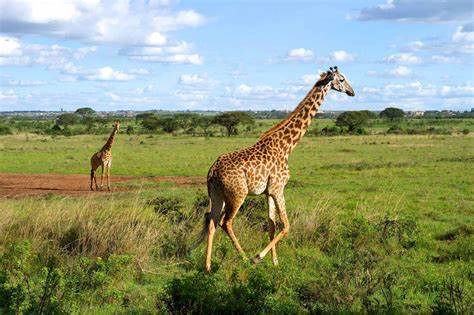
Across the global south, governments are getting mixed reactions to this sensitive topic. In many instances, local communities are resistant to changes that could spur economic development because they fear a couple of things. Importantly, it is very difficult to reap the benefits of said economic growth because capital serves the interests of those who own them and many times, companies malign local communities from the bounties of their land in the name of profit from investments. Many times, this leads to a negative reaction as we see in instances like the Niger Delta militancy in Nigeria where active citizens had to take violently on government and multinational oil conglomerates because they felt left out of the proceeds from the massive wealth been proliferated from their land while these companies stood guilty for a variety of ecological and environmental damage. Another example that trended not too long ago was the proposed Nairobi-Mombasa railway line that would pass thru notable wildlife conservation parks. Local protests against this construction was huge as it was a very big hindrance to the conservation of already endangered wildlife in those areas. The government however argued for the economic benefits of the project as it connected two of Kenya’s biggest cities and cut the travel time by almost half. These and many more instances are the new problems we face in our quest to sustainably live on this planet while we also cater for our material needs.
In a world of endless options, we definitely would choose one that allows us bountiful economic prosperity while we keep the society safer, greener and habitable. At the same time, population expansion, a growing need for rare earth metals and a huge responsibility of authorities to exhaust all means of wealth creation pose a very hard question to all of us. If we listen to science, we risk happy gratification in favor of our impending doom. The dilemma continues …
Thank you.



