
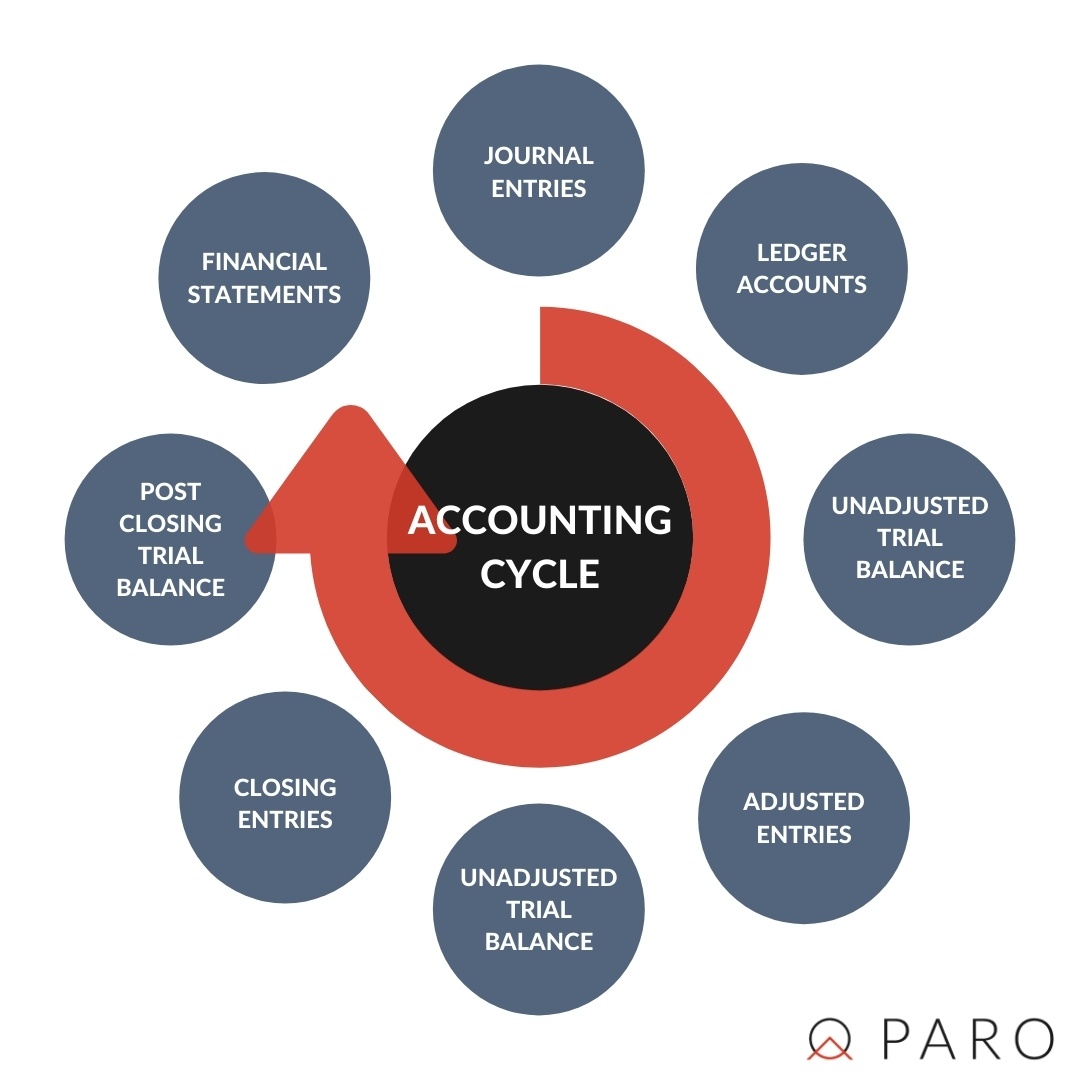
In one of the MBA courses at Lagos Business School Corporate Financial Accounting, where numbers tell a story, the accounting cycle is the compass that guides us through the financial landscape of a business. Imagine it as a series of steps, like a dance routine, ensuring that a company’s financial records are accurate and up-to-date. Let’s take a stroll through this accounting cycle to understand its significance in the day-to-day operations of a business.
Step 1: Analyzing Transactions
The journey begins with the analysis of transactions. Every time money moves in or out of the business, it’s like a note in a diary. Whether it’s buying supplies, selling goods, or paying bills – everything gets recorded. This step sets the stage for the entire accounting cycle, capturing the heartbeat of the business.
Step 2: Journalizing Entries
Once we’ve noted down all the moves, it’s time to put them in the journal. Think of the journal as a diary where each transaction has its own page. Here, we describe what happened, how much money was involved, and who the financial dance partners were. It’s like narrating the tale of the business in simple terms.
Step 3: Posting to the Ledger
Now that our journal is filled with stories of transactions, we take the details and post them to the ledger. The ledger is like the master storybook, organized by accounts – such as cash, supplies, or revenue. This step helps us see the big picture of where the money is coming from and where it’s going.
Step 4: Trial Balance
Imagine the trial balance as a quick health check for our financial books. We add up all the credits and debits to make sure they balance – just like a seesaw. If the seesaw is level, it means our books are in good shape. If not, we go back and check where we might have tripped up in our dance routine.
Step 5: Adjusting Entries
Business isn’t always a smooth waltz. Sometimes, we need to make adjustments to our dance routine. These adjustments could be for things like unpaid bills or goods that we haven’t sold yet. Adjusting entries make sure our financial dance remains in harmony with the true state of the business.
Step 6: Financial Statements
Now it’s time to show off our dance routine to the audience – the financial statements. These include the income statement, which tells us how much money we made or lost, and the balance sheet, which shows what we own and what we owe. These statements are like the grand finale of the accounting cycle, presenting the overall performance of the business.
Step 7: Closing Entries
After the grand finale, it’s time to take a bow and wrap up the show. Closing entries help us reset for the next performance. We close temporary accounts, like revenue and expenses, to zero so we can start the next accounting cycle with a clean slate. It’s like closing the chapter on one financial story and opening a new one.
Step 8: Post-Closing Trial Balance
Our accounting cycle concludes with a post-closing trial balance. This is another check to make sure everything is in order after the grand performance. If the books are still balanced, it means we’ve completed the dance without missing a step.
In essence, the accounting cycle is the rhythmic heartbeat of a business, ensuring that its financial dance is not just a series of random steps but a harmonious, well-organized routine. Each step plays a crucial role, from recording the first note of a transaction to taking the final bow in the post-closing trial balance. Through this cycle, businesses maintain clarity, accuracy, and financial health, allowing them to continue waltzing through the dynamic world of commerce with confidence and precision.




 Navigating the Business Terrain: Insights from a Lagos Business School Student