
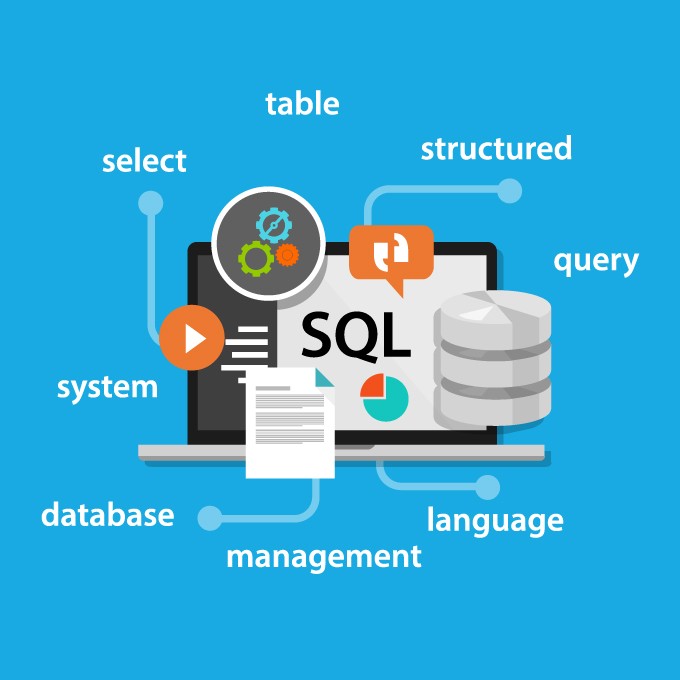
SQL, also known as Structured Query Language, is a powerful and standardized programming language used for managing and manipulating relational databases (A relational database is a type of database that organizes and stores data into tables consisting of rows and columns, establishing relationships between these tables through common attributes such as names, IDs, dates, quantities, etc. Another point to note is KEYS, Keys are used to uniquely identify rows within a table. The Primary Key is a unique identifier for each record in a table. Foreign Keys establish relationships between different tables by referring to the Primary Key of another table.). Its versatility lies in its capability to execute a wide range of operations, including data retrieval, modification, database creation, and more. In the course of my journey at Lagos Business School, delving into the realm of data analytics and programming languages, SQL emerged as a cornerstone for managing data efficiently and effectively.
Querying Data with SQL
As a novice navigating the landscape of SQL for the past three weeks, the language proved to be an invaluable tool for querying data. One of the most striking aspects was its ability to extract precisely the desired information from databases. Contrary to initial expectations, the process of uploading a database and initiating queries felt more straightforward compared to creating a new database from scratch.
Seamless Database Interaction
SQL simplifies the task of sifting through vast troves of data, enabling users to uncover meaningful insights by simply formulating precise queries. Its user-friendly nature expedites the process of accessing and manipulating data for analysis or reporting purposes.
Efficiency in Data Retrieval
Moreover, SQL’s efficiency in data retrieval stands out prominently. Whether searching for specific data entries or conducting complex operations across multiple tables, SQL streamlines the search process, swiftly delivering the required information. Retrieving data in SQL is done primarily using the SELECT statement, which allows you to fetch specific information from one or multiple tables in a database. The syntax for the SELECT statement is as follows:
SELECT column1, column2, …
FROM table_name;
SELECT: Indicates that you want to retrieve data from a table or tables.
column1, column2, …: Represents the names of the columns you want to retrieve data from. You can select specific columns or use * to select all columns.
table_name: Specifies the name of the table or tables from which you want to fetch data.
These SQL querying techniques offer flexibility in retrieving specific data from databases, allowing users to tailor queries based on various conditions and requirements.
Database Creation versus Querying
Initially, the concept of SQL predominantly as a language for database creation was prevalent. However, the practical experience unveiled its primary function of querying data housed within databases. This revelation marked a shift in perspective, emphasizing the language’s prowess in data manipulation and extraction.
In essence, SQL emerges as a pivotal language in the realm of data analytics, offering a gateway to unlocking the potential insights concealed within databases. As I continue to delve deeper into its functionalities, SQL’s significance in data-driven decision-making becomes increasingly apparent, solidifying its stature as a foundational tool for any aspiring data enthusiast.
The journey into SQL marks the inception of a voyage into the vast landscape of data manipulation and analysis, promising a realm of opportunities to unravel insights and drive informed decisions.
This introduction serves as a stepping stone into the vast domain of SQL, laying the groundwork for further exploration and proficiency in the language. May your queries be successful, your joins be smooth, and your databases stay as organized as a librarian’s bookshelf. Happy querying and may the SELECT be with you!”




 A Counterintuitive Approach To Visibility Studies For Entrepreneurs